
Beautiful Plants For Your Interior
Beautiful Plants For Your Interior
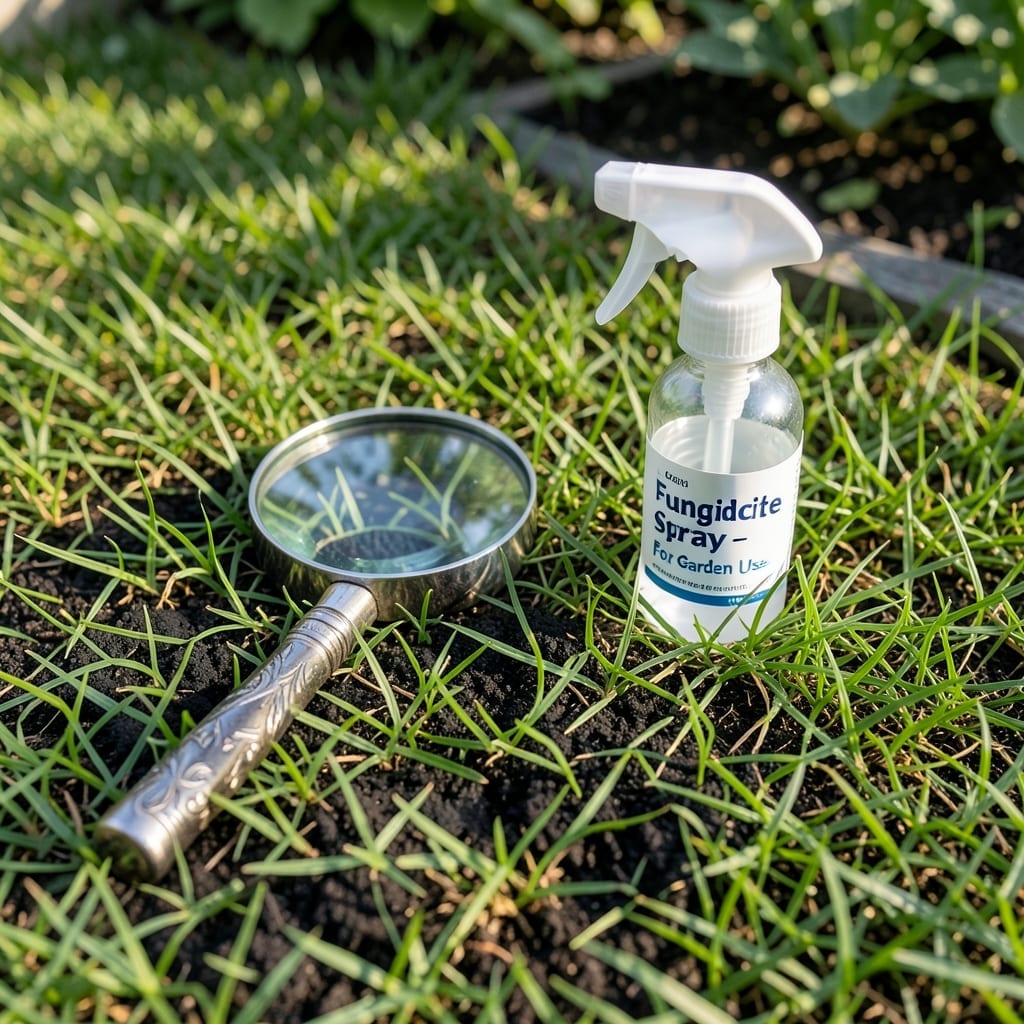
That dark, slimy layer on your lawn isn’t dirt—it’s a problem waiting to spread. I first noticed black mold creeping across my grass after a particularly wet spring, and ignoring it only made things worse.
This fungus thrives in damp, shaded areas where airflow is poor. Left untreated, it can smother your grass, turning healthy green patches into weak, yellowed spots within 2-3 weeks. The good news? It’s fixable with the right approach.
You’ll need to act fast, combining immediate treatment with long-term prevention. Proper mowing, improved drainage, and targeted applications can restore your lawn’s health and keep the mold from returning.
Works for any grass type, in any climate where humidity and shade create the perfect storm. Here’s how to tackle it head-on.
Black mold on grass often appears due to a mix of environmental and maintenance factors. Understanding the root causes helps prevent its spread and keeps your lawn healthy. Below are the primary triggers, explained scientifically yet practically.
Overwatering or poor drainage creates a damp environment where mold spores thrive. Grass that stays wet for 24+ hours is especially vulnerable. Fungi like Rhizoctonia or Pythium exploit stagnant water, leading to dark, patchy growth.
Leaves, grass clippings, or thatch layers trap moisture and block sunlight. This anaerobic (low-oxygen) environment accelerates fungal growth. Regularly raking or aerating your lawn disrupts this cycle.
Black mold flourishes in temperatures between 70–90°F (21–32°C) with high humidity. Summer evenings or shaded areas with poor airflow are hotspots. Fungi reproduce rapidly in these conditions, spreading spores across the grass.
Dense grass or nearby fences restrict airflow, prolonging moisture retention. Prune overgrown areas and space plants to improve ventilation. Even a gentle breeze can reduce mold risk by 30%.
Over-fertilizing (especially with nitrogen) creates lush but weak grass, prone to fungal attacks. Conversely, low potassium levels reduce the grass’s natural resistance. Test soil and adjust nutrients to maintain balance.
Black mold on grass can be unsightly and harmful, but these practical solutions will help you restore your lawn’s health. Below are targeted fixes based on common causes.
Mold thrives in damp conditions. Reduce watering frequency and ensure your lawn gets sunlight to dry out. Water early in the morning so excess moisture evaporates during the day. Aim for 1-1.5 inches per week, including rainfall.
Piles of leaves, grass clippings, or thatch create perfect breeding grounds for mold. Rake up debris regularly and aerate your lawn to improve airflow. For severe thatch, use a dethatching rake or machine to expose the soil.
If water pools in areas, amend the soil with compost or sand to enhance drainage. For low-lying spots, consider installing a French drain or regrading the area. Ensure downspouts direct water away from the lawn.
Prevention Tip: 💡 Test drainage by digging a small hole, filling it with water, and timing how long it takes to drain. If it takes over 4 hours, your soil needs improvement.
Compacted soil traps moisture and restricts root growth. Aerate the lawn with a core aerator, then overseed with mold-resistant grass varieties like tall fescue or Kentucky bluegrass. Top-dress with a thin layer of compost to boost soil health.
Excessive shade slows evaporation, promoting mold. Trim overhanging tree branches or thin out dense shrubs to allow more sunlight and airflow. For heavily shaded areas, plant shade-tolerant grass or switch to ground covers like clover.
Prevention Tip: ✨ Mow high (3-4 inches) to strengthen grass and reduce shade-related stress.
For persistent mold, apply a natural fungicide like neem oil or a baking soda solution (1 tbsp baking soda + 1 gallon of water + a few drops of dish soap). Avoid harsh chemicals unless absolutely necessary, and always follow label instructions.
Most lawn molds aren’t toxic, but it’s best to keep pets and kids off affected areas until treated. Some molds can cause skin irritation or respiratory issues in sensitive individuals.
Yes, if left untreated. Spores can travel via wind, water, or foot traffic to nearby plants. Remove debris and improve airflow to contain it.
Avoid mowing until the mold clears. Cutting spreads spores and stresses the grass further. Wait 2-3 days after treatment before mowing.
Natural solutions like neem oil show results in 3-7 days. For severe cases, reapply weekly. Full recovery depends on weather and lawn health.