
Beautiful Plants For Your Interior
Beautiful Plants For Your Interior
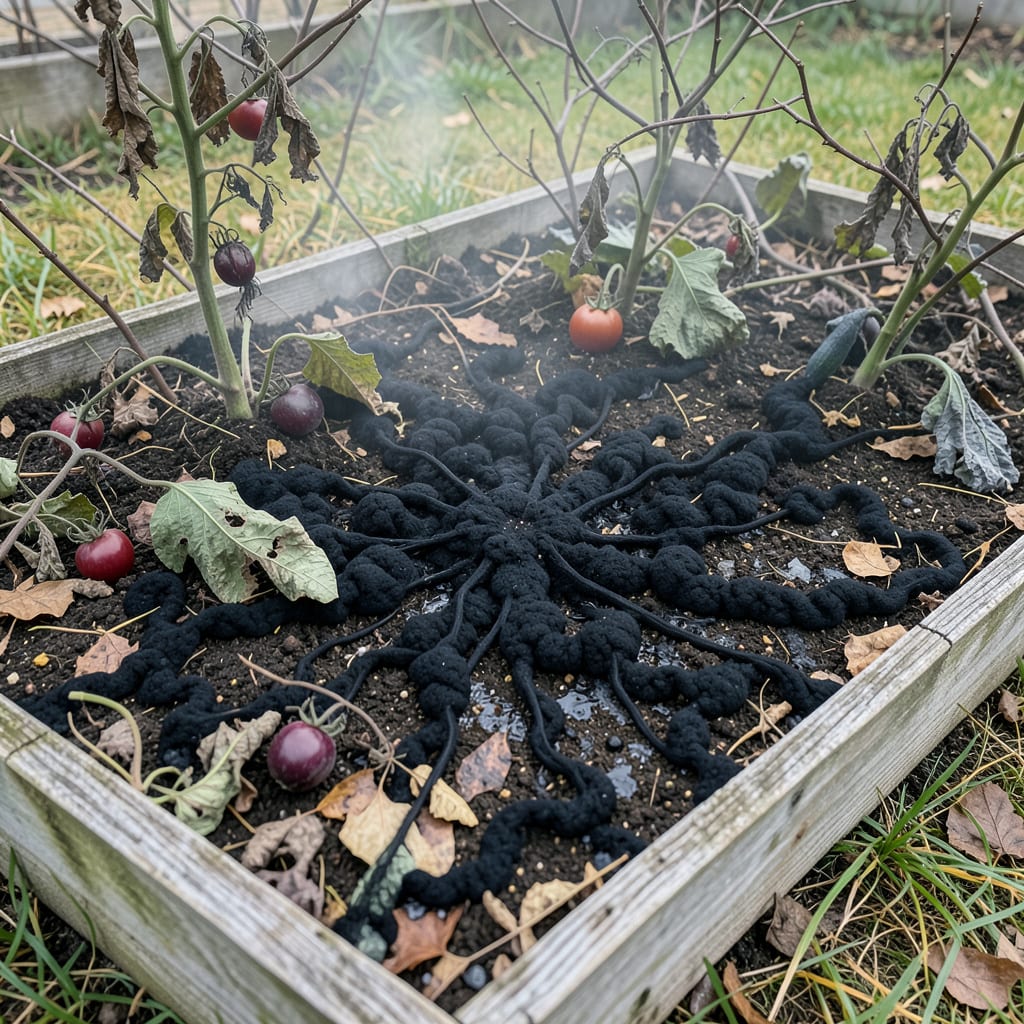
Black mold in your garden is more than an eyesore—it can spread fast. I’ve dealt with it on tomatoes and peppers, and the key is acting before it takes over.
This issue thrives in damp, poorly ventilated areas. Overwatering, crowded plants, and debris create the perfect breeding ground. A little prevention goes a long way to keep your space healthy.
Natural solutions like baking soda sprays or neem oil work wonders. They’re safe for plants and the environment, and they tackle the problem at the source without harsh chemicals.
With consistent care, your garden can bounce back stronger and mold-free. Here’s how to reclaim your plants and keep them thriving.
Black mold in gardens thrives due to specific environmental conditions and poor gardening practices. Here’s a breakdown of the most common causes:
Mold spores flourish in damp environments. Overwatering, poor drainage, or heavy rainfall can create the perfect breeding ground. Organic matter like mulch or decaying leaves retains moisture, encouraging mold growth. To prevent this, ensure proper drainage and avoid waterlogging your garden.
Dead leaves, grass clippings, and rotting plant material provide nutrients for black mold. As these materials decompose, they release organic compounds that feed mold spores. Regularly clear debris and maintain a clean garden to minimize this risk.
Black mold thrives in warm, humid climates (typically between 77–86°F or 25–30°C). High humidity levels (above 60%) combined with warmth accelerate its growth. If you live in a warm region, monitor humidity and improve airflow to discourage mold.
Stagnant air traps moisture and heat, creating an ideal environment for mold. Dense plantings, overgrown vegetation, or enclosed garden spaces restrict airflow. Prune plants regularly and space them properly to allow ventilation.
While healthy soil supports plants, overly fertile or compost-heavy soils can promote mold. Excess nitrogen, in particular, fuels rapid microbial growth, including mold. Balance soil nutrients and avoid over-fertilizing to keep mold at bay.
Tackling black mold in your garden starts with identifying the root cause and applying targeted solutions. Here’s how to address common issues and keep your garden mold-free:
If standing water or soggy soil is the culprit, start by amending the soil with compost or sand to boost drainage. For potted plants, ensure containers have drainage holes and use a well-draining potting mix. Raise garden beds if needed to prevent waterlogging.
Clear away fallen leaves, dead plants, and other organic debris where mold thrives. Turn the soil regularly to aerate it and speed up decomposition. Use a mulch of straw or wood chips to prevent direct contact between soil and plant leaves, reducing mold spread.
Improve airflow by thinning out dense plantings and pruning overgrown foliage. Space plants according to their mature size to reduce humidity buildup. For existing mold, remove affected leaves and dispose of them in the trash (not compost).
It’s usually not toxic to humans but can harm plants and reduce yields. Some people may experience mild allergic reactions. Always wear gloves when handling affected plants.
No, composting moldy material can spread spores. Dispose of it in sealed bags with your household trash. This prevents reinfection in your garden.
For prevention, use neem oil or baking soda spray every 7-10 days. If mold is present, apply every 5 days until the issue resolves.
It can if conditions remain favorable. Improve drainage, increase airflow, and maintain good garden hygiene to prevent recurrence.
