
Beautiful Plants For Your Interior
Beautiful Plants For Your Interior
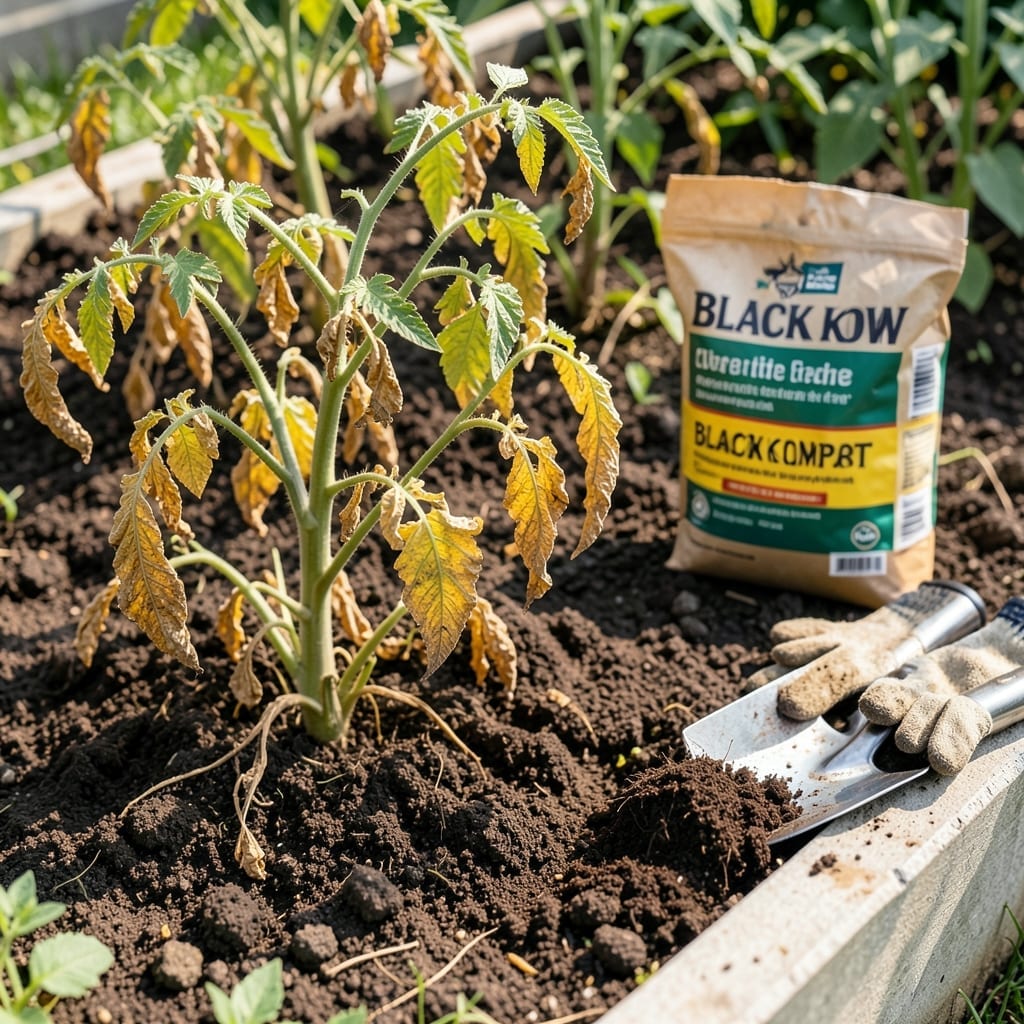
Black Kow compost may contain weed seeds, uneven nutrient distribution, or high salt levels that can harm plants. Its heavy texture may also compact soil in some cases.
I’ve found that variability in source materials often causes these issues, as different batches can have inconsistent decomposition. High salt content particularly stresses delicate root systems, while the dense composition can reduce aeration in garden beds. 🔥 Screening the compost and mixing it with lighter soil can help prevent compaction and improve its performance.
💡 In This Article
The variability in source materials creates inconsistent compost quality. Manure from different animals or bedding with varying carbon-to-nitrogen ratios leads to uneven decomposition. This results in pockets of concentrated nutrients next to areas with little organic matter, causing unpredictable plant growth patterns. 💫
High salt levels, often exceeding 5-8 dS/m in some batches, create osmotic stress for plant roots. When soil salinity rises above 2 dS/m, most plants struggle to absorb water, showing symptoms like leaf burn, stunted growth, or wilting. This is particularly damaging to salt-sensitive species like azaleas or blueberries.
Undecomposed organic chunks continue breaking down in your garden, consuming nitrogen as microbes work. A visible chunk of 1-2 inch wood or straw can tie up 0.5-1 lb of nitrogen per 100 sq ft as it decomposes. This temporarily starves plants of this essential nutrient.
The heavy, clay-like texture comes from the composting process using primarily cow manure. This dense material can reduce soil porosity by up to 30% when applied too thickly, restricting root growth and water penetration. In raised beds, I’ve seen compaction create waterlogging issues within weeks.
Weed seeds survive when compost piles don’t reach temperatures above 131°F for at least 3 consecutive days. Commercial operations sometimes prioritize volume over thorough decomposition, allowing viable seeds to remain. These can germinate weeks after application, creating unexpected weed problems. ✨
Uneven decomposition in the compost creates nutrient hot spots. Some areas get too much nitrogen while others get too little, leading to inconsistent growth patterns in your garden.
Yes, its high salt content can stress plants like azaleas. When soil salinity exceeds 2 dS/m, roots struggle to absorb water, causing leaf burn or wilting. Always test soil first.
Mix it with native soil at a 1:3 ratio and add perlite for clay soils. This improves drainage and prevents the dense material from reducing soil porosity by 30%.
Possibly, if the compost didn’t reach 131°F for 3 days during processing. To prevent this, let it sit for 2-3 weeks before planting to germinate any seeds.