
Beautiful Plants For Your Interior
Beautiful Plants For Your Interior
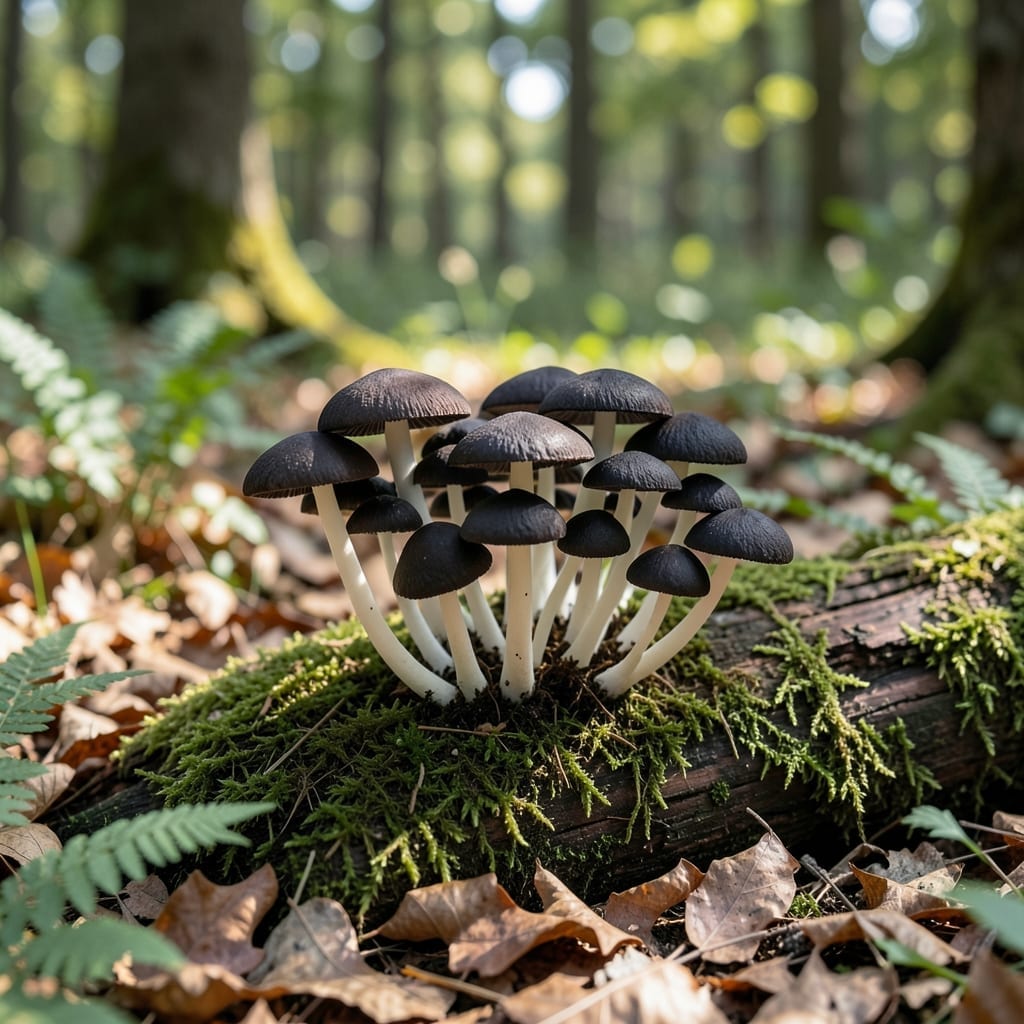
Black mushrooms add mystery to any shaded garden corner. I first discovered their deep, velvety caps growing wild under my oak trees—now I cultivate them intentionally for their striking contrast against green foliage.
These dark varieties thrive in moist, wood-rich soil where most plants struggle. They’re low-maintenance once established, requiring only consistent moisture and dappled light. Perfect for north-facing beds or under dense shrubs.
You’ll get dramatic visual impact with minimal effort. The caps range from charcoal to deep purple, creating a gothic-garden vibe that surprises visitors. Plus, they’re edible when properly identified.
Just ensure good airflow to prevent mold. This project works in zones 4-9 with the right preparation.
Black garden mushrooms develop their deep pigmentation due to a mix of genetic and environmental factors. Here’s why it happens:
Some mushroom varieties, like Agaricus bisporus (portobello), naturally produce darker caps as they mature. The melanin-like pigments in these strains are genetically encoded, giving them a rich brown to black hue. Breeders often select these strains for shaded gardens to enhance aesthetic appeal and sun resistance.
While mushrooms thrive in shade, limited light can intensify cap darkening. UV radiation triggers tyrosinase enzymes, which oxidize phenolic compounds in the mushroom’s skin, deepening its color. In shaded beds, this process slows but still occurs, especially in high-humidity environments.
High organic matter in soil (e.g., compost or manure) provides nutrients that boost pigment production. Nitrogen-rich substrates particularly encourage darker caps, as they support the metabolic pathways responsible for melanin synthesis.
Consistent moisture keeps mushroom caps hydrated, preventing fading. Dry conditions can lighten the color, while high humidity (70–90%) maintains the deep black or brown tones characteristic of these varieties.
Dealing with problems in your dark-capped garden mushrooms can be frustrating, but these practical solutions will help you get back on track. Below are targeted fixes for the most common issues, along with prevention tips to keep your patch thriving.
Cause: Overwatering or poor drainage.
Fix: Reduce watering immediately and ensure the bed has proper drainage. Use a well-draining substrate like a mix of compost and straw. If the soil is waterlogged, gently aerate it with a fork to improve airflow.
Prevention: Water only when the top inch of soil feels dry. A moisture meter can help avoid guesswork. 💡
Cause: Insufficient organic matter or incorrect pH levels.
Fix: Enrich the soil with aged manure or compost to boost nutrients. Test the pH—mushrooms prefer a slightly acidic to neutral range (6.0–7.0). Adjust with lime (to raise pH) or sulfur (to lower pH) if needed.
Prevention: Amend the soil with organic matter before planting and retest pH annually. ✨
Cause: Slugs, snails, or flies attracted to damp conditions.
Fix: Handpick pests in the early morning or use organic slug baits like iron phosphate. For flies, reduce excess moisture and remove any decaying material where they breed.
Prevention: Keep the area clean and free of debris. A layer of diatomaceous earth around the bed can deter crawlers. 🎯
Cause: Extreme heat or cold stunting growth.
Fix: Provide shade cloth during heatwaves or use mulch to insulate against cold snaps. In colder climates, consider growing in a greenhouse or cold frame.
Prevention: Plant during the ideal season for your climate—spring or fall for most regions. Monitor weather forecasts and adjust care accordingly. 🌡️
They thrive in rich, well-draining soil with plenty of organic matter. A mix of compost, aged manure, and straw creates the perfect growing medium. Avoid heavy clay soils that retain too much moisture.
These mushrooms prefer full to partial shade, especially in hotter climates. Dappled sunlight under trees works well, but avoid direct afternoon sun which can dry them out. Consistent shade helps maintain their dark coloration.
With proper conditions, you can expect your first flush in 4-6 weeks after planting spawn. The exact timing depends on temperature, moisture, and soil quality. Cooler weather may extend this period slightly.