
Beautiful Plants For Your Interior
Beautiful Plants For Your Interior
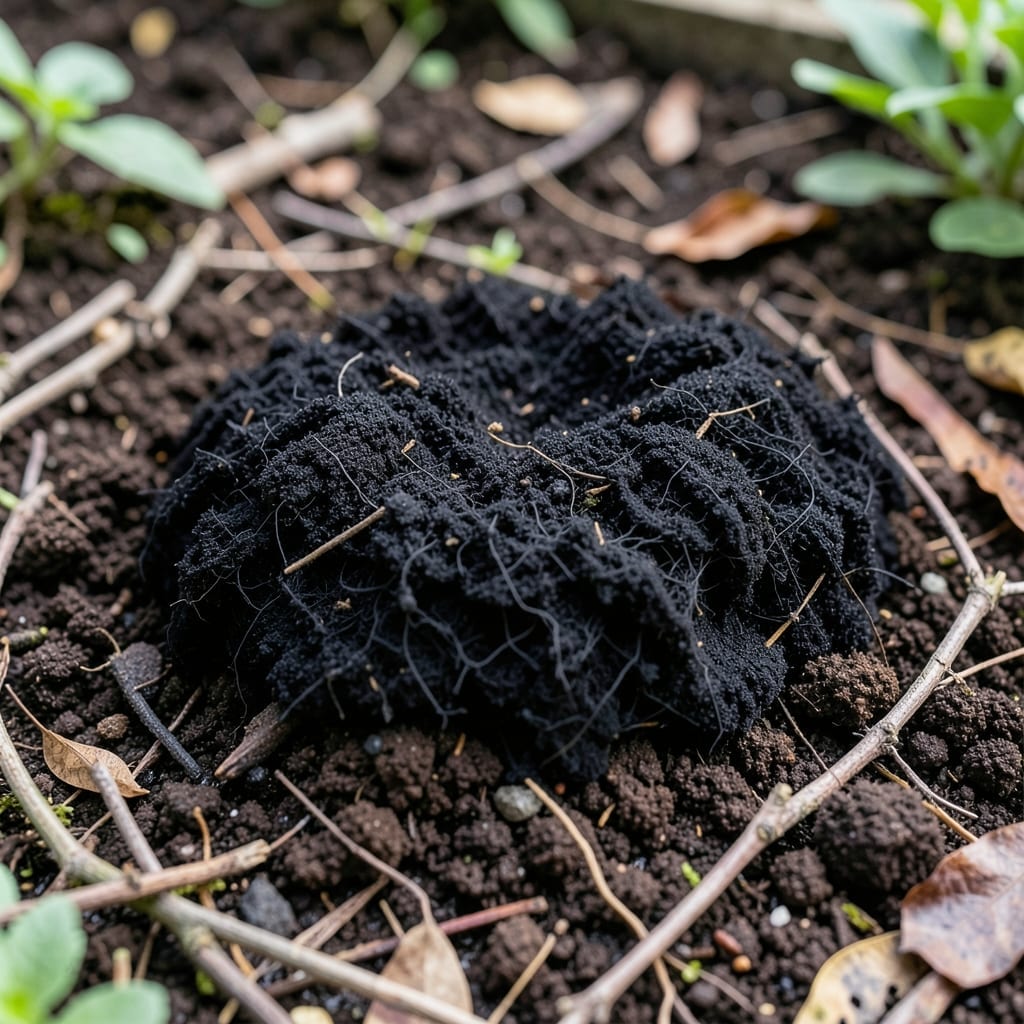
Black fungus creeping across your garden feels like a horror movie for plants. I first spotted it on my zucchini leaves three summers ago—dark, sooty patches spreading fast.
Here’s the thing—it’s usually a sign of something else going wrong first. Overwatering, poor air circulation, or even aphids can trigger it. The good news? It’s treatable and preventable with the right approach.
You can tackle this with simple household items or natural sprays. I’ve tested methods that work without harming beneficial insects or your soil. Results show up within a week if caught early.
No need to panic. With a few adjustments, your garden will bounce back stronger than before.
Black fungus, often a type of sooty mold or saprophytic fungus, thrives in gardens due to specific environmental and biological conditions. Understanding these causes is the first step toward prevention and control.
Fungi flourish in damp environments. Overwatering, poor soil drainage, or high humidity create ideal breeding grounds. When soil stays soggy, it reduces oxygen availability, stressing plants and inviting fungal spores to settle and multiply. Action: Improve drainage with organic matter like compost or install raised beds to prevent waterlogging.
Dense plantings or overgrown foliage restrict airflow, trapping moisture around leaves and stems. This stagnant, humid microclimate encourages fungal growth, especially in shaded areas. Action: Prune regularly to open up the canopy and space plants according to their mature size to promote ventilation.
Black fungus often follows in the footsteps of pests like aphids, scale insects, or whiteflies. These insects excrete honeydew, a sticky, sugary substance that serves as a food source for sooty mold fungi. Action: Control pests with neem oil or insecticidal soap to eliminate the honeydew that fuels fungal growth.
Decomposing leaves, mulch, or plant debris provide a rich food source for saprophytic fungi. If not managed, these materials can harbor spores that spread to healthy plants. Action: Remove fallen leaves and debris promptly, and turn compost piles regularly to speed up decomposition and reduce fungal habitats.
Warm, humid seasons (spring and early summer) are prime time for fungal growth. Temperature fluctuations, especially combined with moisture, can stress plants and make them more susceptible. Action: Monitor weather conditions and adjust watering schedules to avoid creating a fungal-friendly environment.
Tackling black fungus in your garden starts with identifying the root cause and applying targeted solutions. Here’s a practical guide to restoring your garden’s health:
If soggy soil or poor drainage is the culprit, start by aerating the soil with a garden fork to enhance airflow. For persistent wet spots, mix in coarse sand or gravel to improve drainage. Pro tip: 💡 Consider raised beds or containers for moisture-sensitive plants.
Black fungus thrives in dense, humid environments. Thin out overcrowded plants to allow air circulation and sunlight penetration. Prune low-hanging branches and remove dead foliage to reduce shade and moisture buildup.
Spot black fungus on leaves? Remove infected foliage immediately and dispose of it in the trash (not compost). Apply a natural fungicide like neem oil or a baking soda solution (1 tbsp baking soda + 1 tsp dish soap + 1 gallon water). Spray in the early morning for best results.
Stagnant air encourages fungal growth. Rearrange plants to create space between them, and avoid planting in tight clusters. Use trellises or stakes for vining plants to keep them off the ground and promote airflow.
Cut back on watering if the soil feels damp. Water at the base of plants (not the leaves) to keep foliage dry. Use a drip irrigation system for precise watering, and always water in the early morning so excess moisture evaporates during the day.
Prevention tip: ✨ Apply a layer of mulch (like straw or wood chips) to prevent soil splashing onto leaves, which can spread spores. Rotate crops yearly to avoid fungal buildup in the soil.
Most garden fungi are not harmful to touch, but it’s best to wear gloves. Some types can cause skin irritation or allergic reactions in sensitive individuals.
Remove infected plant parts immediately and avoid overhead watering. Space plants properly for airflow and clean up fallen debris regularly.
Fungal spores can overwinter in soil or plant debris. Rotate crops, remove old mulch, and treat soil with compost tea in early spring to prevent recurrence.
A diluted vinegar solution (1 part vinegar to 4 parts water) can help inhibit growth. Test on a small area first as vinegar may harm some plants.