
Beautiful Plants For Your Interior
Beautiful Plants For Your Interior
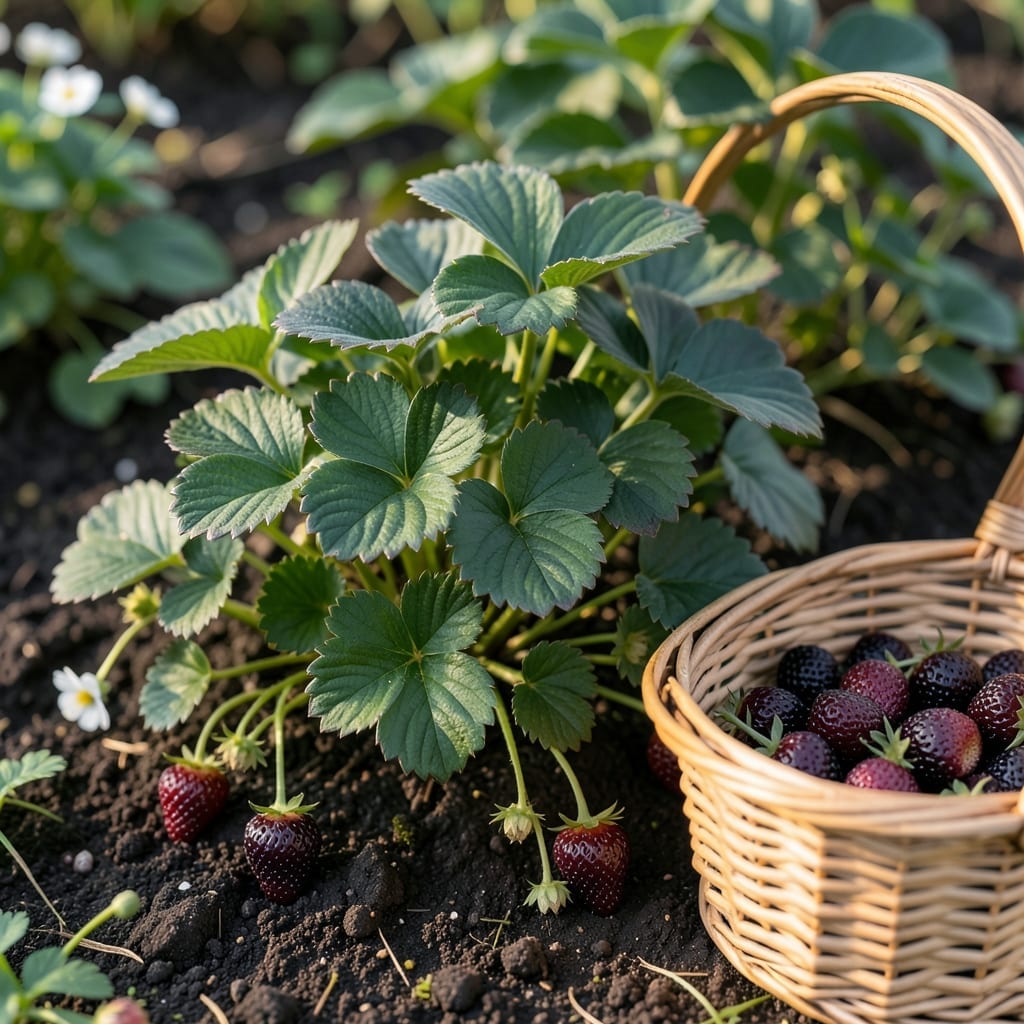
I almost gave up on strawberries until I discovered Black Diamonds. These deep purple heirlooms taste like summer wine and produce twice the berries of standard varieties.
They thrive in full sun with well-draining soil and need consistent moisture. The secret is proper spacing—12 inches apart—to prevent rot and maximize yield.
📚 In This Guide
This heirloom variety rewards patience with deep, wine-like berries—here’s how to coax them to perfection.
Choose a location with full sun (minimum 8 hours daily) and well-draining soil. Black Diamonds despise soggy roots, so avoid low-lying spots where water pools. I always amend the bed with 2-3 inches of aged compost worked into the top 6 inches of soil to improve fertility and structure.
Test drainage by digging a 1-foot hole and filling it with water. If it drains within 1 hour, you’re good. If not, consider raised beds or mounds. Space plants 18-24 inches apart—they’ll spread aggressively if happy, but crowding invites disease.
Dig holes wide enough to accommodate the roots without bending them. The crown—where the leaves emerge—must sit just above the soil line. Burying it too deep suffocates the plant; leaving it exposed dries it out. I’ve ruined more than one patch by rushing this step.
Gently fan the roots outward in the hole, then backfill with soil, pressing lightly to eliminate air pockets. Water immediately with 1 gallon per plant to settle the soil. The first week is critical—keep the soil consistently moist but never waterlogged.
Apply a 2-inch layer of straw mulch around plants, keeping it 1 inch away from the crown to prevent rot. Mulch retains moisture, suppresses weeds, and keeps berries clean. Black Diamonds have shallow roots, so they dry out quickly without this protection.
Water deeply 2-3 times weekly (more in extreme heat) at the base of the plant—never overhead. Wet foliage encourages fungal spots. You’ll know it’s time to water when the top ½ inch of soil feels dry. Drip irrigation is ideal, but a careful hand with a watering can works too.
Black Diamonds are June-bearing, so you’ll see flowers in early spring. Thin excess blossoms if the plant looks stressed—this directs energy to fewer, larger berries. I remove the first set of flowers entirely on new plants to strengthen the crown for future harvests.
Fertilize lightly with a balanced organic formula when growth resumes in spring, then again after harvest. Avoid high-nitrogen feeds—they’ll give you lush leaves but puny fruit. Watch for pale green leaves, a sign of nitrogen deficiency, or yellowing edges, which often indicate potassium needs.
Pick berries when they’re fully deep purple-black and slightly soft to the touch. They won’t ripen further after picking, so patience is key. Use scissors to snip the stem—twisting can damage the plant. Expect 1-2 pounds per plant in a good year.
After harvest, trim back foliage to 2 inches above the crown and remove all straw mulch to deter pests. In cold climates, cover plants with 3-4 inches of straw after the first frost. This variety is hardy to USDA Zone 4, but winter protection ensures a stronger return next season.
These heirloom strawberries need care, but the payoff is extraordinary.
Sunlight Requirement: The minimum 8 hours daily of full sun isn’t just a suggestion—it’s essential for developing those signature deep, wine-like flavors. I learned this the hard way when my first batch tasted bland after only 6 hours of sun exposure.
Drainage Test: That 1-foot hole drainage test in Step 1 is your best insurance against root rot. If water doesn’t drain within the 1 hour, raised beds aren’t optional—they’re necessary. Black Diamonds will forgive many mistakes, but soggy roots aren’t one of them.
Planting Depth: In Step 2, the crown placement is critical—just above the soil line means you should see the very base of the leaves peeking out. I ruined my first three plants by burying them too deep, thinking they’d be more stable. They weren’t.
Watering Wisdom: The 2-3 times weekly watering schedule in Step 3 works perfectly if you follow the soil check: when that top ½ inch feels dry, it’s time. And remember, that 1 gallon per plant immediately after planting settles the soil and eliminates air pockets that could stress the roots.
Black Diamond strawberries are extremely rare, often considered a collector’s item among gardeners. They’re not commercially widely available, making them a unique find for heirloom enthusiasts. Their deep purple-black hue and rich flavor add to their exclusivity!
Plant them in early spring or late summer for the best results. They thrive in USDA zones 4-8, so aim for temperatures between 60-80°F. Ensure well-drained soil and full sun to help these rare berries flourish.
Yes! Use a large container (at least 12 inches deep) with good drainage. Fill it with rich, loamy soil and place it in a sunny spot. Container growing is a great option if you have limited space or poor garden soil.
Common issues include insufficient sunlight, poor pollination, or nutrient deficiencies. Ensure 6-8 hours of sun daily, hand-pollinate if needed, and fertilize with a balanced organic fertilizer. Patience is key—these plants may take time to establish!