
Beautiful Plants For Your Interior
Beautiful Plants For Your Interior
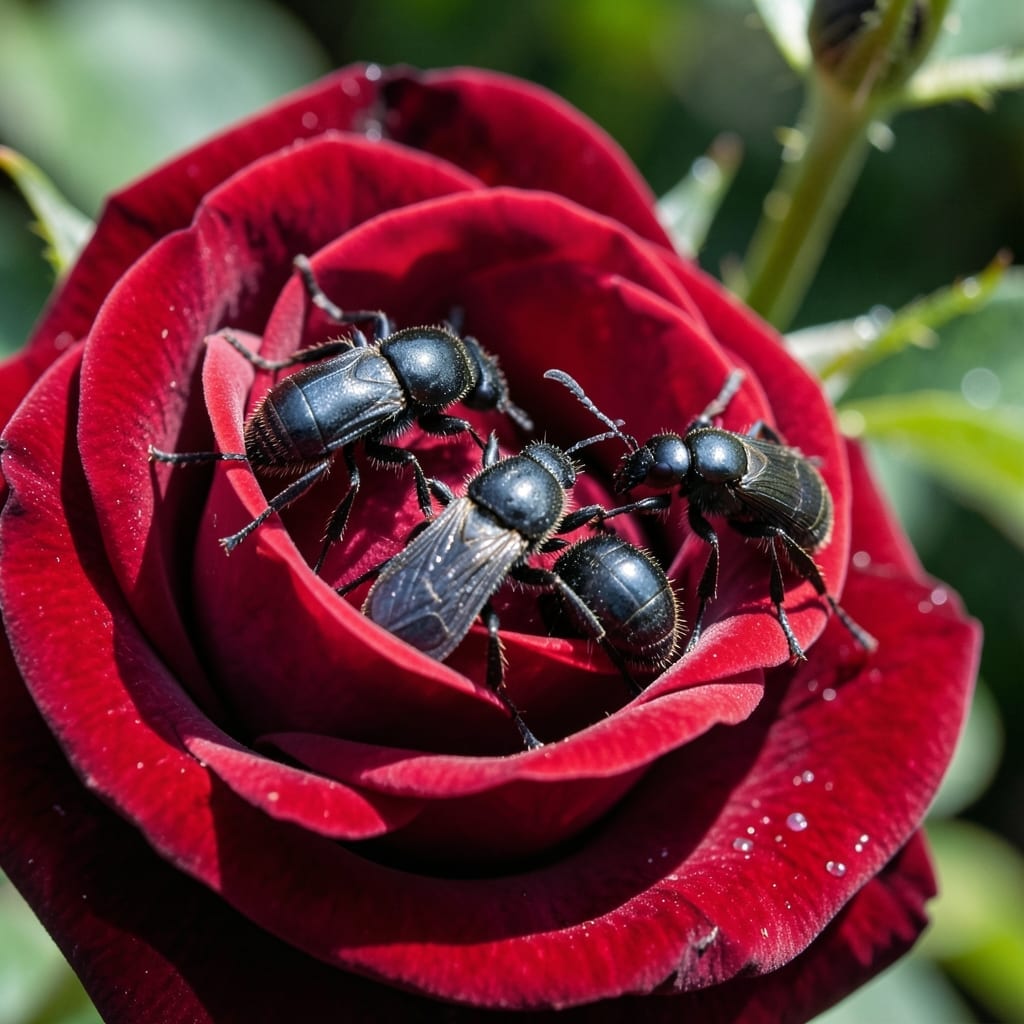
Those tiny black invaders on your roses aren’t just ugly—they’re stealing your blooms. I lost an entire bush to aphids last summer before learning the organic way to fight back.
They cluster on new growth and buds, sucking sap and leaving sticky residue that attracts ants. The damage shows up as curled leaves and stunted flowers, but it’s 100% preventable with the right approach.
Neem oil, soapy water, and beneficial insects like ladybugs work wonders. I’ve tested them all, and the results speak for themselves—healthy plants with vibrant blooms.
No harsh chemicals needed. Just simple, effective solutions that protect your garden and the pollinators that visit it.
Black bugs on roses often appear due to environmental, biological, or cultural factors. Here’s a breakdown of the most common causes:
Excess moisture creates an ideal breeding ground for pests like aphids and thrips, which are drawn to soft, waterlogged plant tissues. Roses in poorly drained soil or overwatered beds become stressed, emitting volatile organic compounds (VOCs) that attract sap-sucking insects. Action: Ensure your roses have well-draining soil and water only when the top 1-2 inches of soil are dry.
Dense foliage traps humidity, fostering fungal diseases and inviting pests such as black aphids (Aphis fabae). Stagnant air also weakens the plant’s natural defenses by reducing transpiration efficiency. Action: Prune overcrowded stems and space plants at least 3 feet apart to improve airflow.
Some black bugs, like rose slugs (Endelomyia aethiops) or beetles, are part of the ecosystem and emerge seasonally to feed on rose leaves. These pests lay eggs in soil or plant debris, which hatch when temperatures rise. Action: Remove fallen leaves and garden debris to disrupt their life cycle.
Over-fertilizing with nitrogen-rich products can lead to lush, soft growth that’s highly attractive to pests. Conversely, nutrient deficiencies (e.g., low potassium) weaken roses, making them more susceptible to infestations. Action: Use a balanced, slow-release fertilizer and test soil pH (ideal: 6.0–6.5) to adjust as needed.
Dealing with black bugs on your roses doesn’t have to be a losing battle. Here’s how to tackle the most common culprits with simple, effective fixes—and keep them from coming back.
These tiny, soft-bodied pests cluster on new growth and buds. Spray them off with a strong stream of water from your hose—do this early in the day so leaves dry quickly. For stubborn infestations, mix 1 tsp mild dish soap with 1 quart of water and spray directly on the bugs. Reapply every 2–3 days until they’re gone.
Prevention tip: 💡 Encourage natural predators like ladybugs by planting companion flowers such as marigolds or yarrow nearby.
If you see fine webbing or stippled leaves, spider mites are likely the issue. Prune heavily infested leaves and dispose of them in a sealed bag. Then, spray leaves with neem oil (follow package instructions) to smother mites and their eggs. Repeat weekly as needed.
Prevention tip: 🌡️ Spider mites thrive in dry conditions—mist your roses regularly or use a drip irrigation system to maintain humidity around the plants.
Japanese beetles and rose chafers chew on leaves and flowers. Handpick them in the early morning when they’re sluggish and drop them into soapy water. For larger infestations, set up beetle traps away from your roses to lure them elsewhere.
Prevention tip: ✨ Apply kaolin clay spray to leaves—it creates a barrier that deters beetles from feeding.
Thrips are slender and fast-moving, often hiding in flower buds. Place blue or yellow sticky traps near your roses to catch adults. For a natural spray, mix 1 tbsp of canola oil and 1 tsp of dish soap per gallon of water and apply to affected areas.
Prevention tip: 🎯 Remove spent blooms and garden debris promptly to eliminate breeding sites.
Consistency is key—monitor your roses weekly and act at the first sign of trouble to keep your blooms thriving!
They’re usually tiny, 1-3mm long, and cluster on new growth or buds. Aphids appear soft-bodied, spider mites leave webbing, and beetles have hard shells. Check undersides of leaves for the most accurate identification.
Yes, mix 1 part vinegar with 3 parts water and spray directly on bugs. Test on a small area first—vinegar can harm some rose varieties if used undiluted. Reapply every 3-4 days as needed.
Pests often return due to untreated eggs or nearby breeding sites. Remove all garden debris, isolate infected plants, and treat the soil with neem oil to break their life cycle. Consistency prevents reinfestation.
Most rose pests like aphids and thrips will spread to nearby plants. Isolate affected roses and treat all vulnerable plants in your garden to prevent cross-contamination. Early action saves your whole garden.