
Beautiful Plants For Your Interior
Beautiful Plants For Your Interior
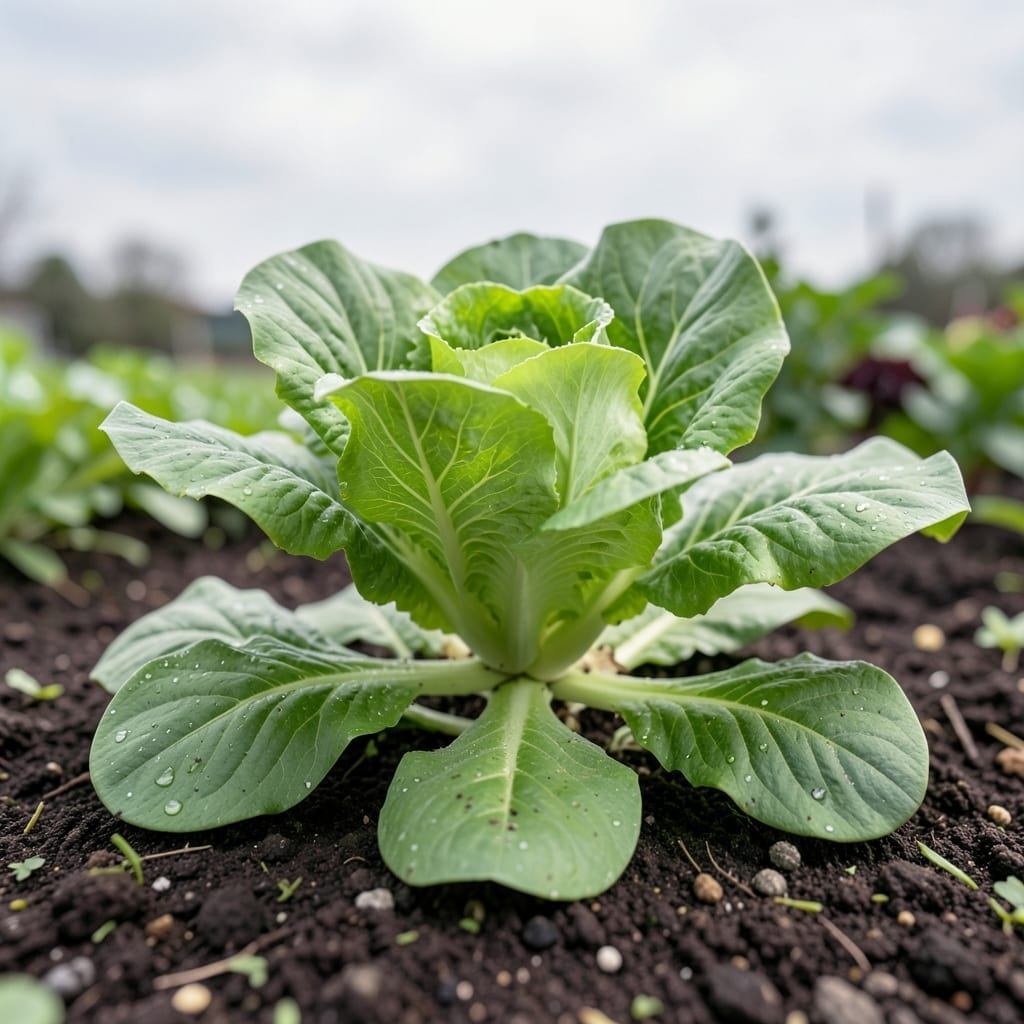
The bitterness in greens like arugula and endive comes from compounds called glucosinolates and terpenes. These natural chemicals serve as a defense mechanism in plants, deterring pests with their sharp, pungent flavors. Arugula, for example, contains high levels of glucosinolates, which break down into isothiocyanates—giving it that signature peppery bite.
Growing conditions amplify these flavors. Cooler weather and shorter daylight hours increase glucosinolate production, making winter-harvested greens taste more bitter. Radicchio, with its deep red leaves, gets its bitterness from cyanidin, a type of anthocyanin pigment that also provides its vibrant color. This compound intensifies under stress, like drought or temperature fluctuations.
Endive, on the other hand, develops its bitterness through a process called blanching. When grown in the dark, the inner leaves stay pale and mild, while the outer green leaves exposed to light turn more bitter. This contrast in a single head makes endive uniquely versatile.
The bitterness can range from 50-200 ppm depending on the variety and growing method.
Interestingly, these bitter compounds aren’t just about taste—they also signal the presence of antioxidants. Studies show that greens with higher glucosinolate content, like arugula, can have up to 4 times the antioxidant capacity of milder lettuces. So that sharp flavor is often a sign of nutritional density. 🔥
Gardeners can manipulate bitterness too. Shade cloth reduces light exposure, lowering glucosinolate levels for milder greens. Conversely, allowing plants to bolt (flower) increases bitterness as the plant redirects energy to reproduction. This is why mature dandelion greens taste far more intense than young leaves. ✨
Cooler temperatures and shorter days boost glucosinolate production in plants. This natural defense compound makes winter-harvested arugula or endive taste sharper than summer varieties.
Sweet fruits like pears, apples, or strawberries create perfect contrast. Their natural sugars balance the sharpness of radicchio or dandelion greens beautifully. Try 1/2 cup diced fruit per serving.
Yes! Soak chopped greens in ice water for 10-15 minutes to leach out some bitterness. Alternatively, blanch endive leaves in boiling water for 30 seconds to mellow the flavor.
Often yes. Compounds that create bitterness, like glucosinolates, are linked to higher antioxidant levels. Arugula can have 4 times the antioxidants of mild lettuce.