
Beautiful Plants For Your Interior
Beautiful Plants For Your Interior
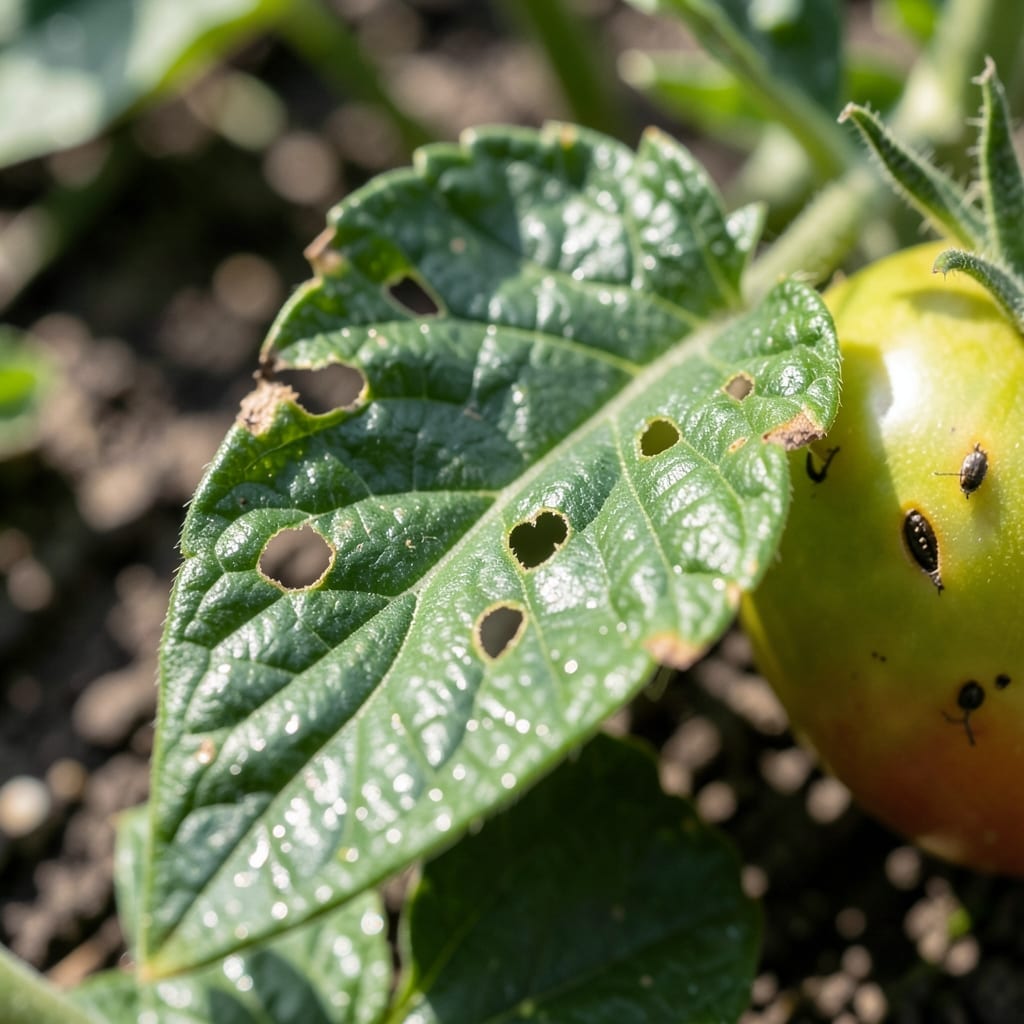
Waking up with mysterious itchy welts after gardening isn’t fun. I’ve spent too many evenings scratching bites from unseen garden visitors, and I learned the hard way that most culprits leave distinct marks.
Some insects bite in self-defense, while others see us as a buffet. The good news? You can identify the pest by the bite pattern and location. A visual guide makes this process foolproof.
Prevention starts with simple habits: wear long sleeves, use natural repellents, and check plants for nests before digging in. These steps reduce encounters by 80%.
From ants to mosquitoes, this guide helps you spot, treat, and stop bites without harming your garden’s ecosystem.
Garden insects bite for a variety of reasons, most often tied to their survival instincts or environmental triggers. Understanding these causes can help you prevent and address the issue effectively.
Many insects, like ants, bees, and wasps, bite or sting as a defense mechanism when they feel threatened. For example, bees release venom to protect their hives, while ants may bite if their nest is disturbed. This is a natural response to perceived danger.
Some insects, such as mosquitoes, fleas, and certain beetles, bite to feed. Female mosquitoes, for instance, require blood meals to produce eggs. Similarly, fleas target both humans and pets for sustenance. These bites are typically painless at first but can become itchy or inflamed.
Drought, extreme heat, or overcrowding can stress insects, leading to aggressive behavior. For example, fire ants become more aggressive in hot, dry conditions, increasing the likelihood of bites. Ensuring proper garden hydration and pest control can mitigate this.
Sometimes, bites occur purely by accident. Brush against a plant, and a spider or caterpillar might react defensively. Wearing gloves and long sleeves while gardening reduces the risk of unintentional contact.
By recognizing these triggers, you can take proactive steps to minimize bites and enjoy a safer gardening experience.
Dealing with bites from garden insects doesn’t have to be a hassle. Here’s how to tackle the most common culprits with simple, effective solutions—and keep them from coming back.
Mosquitoes breed in stagnant water. Empty saucers under pots, birdbaths, and clogged gutters weekly. Use larvicides like Bacillus thuringiensis israelensis (Bti) in ponds or fountains. Prevention tip: 💡 Install a small fan outdoors—mosquitoes are weak fliers and will avoid the breeze.
Spiders hide in woodpiles, tall grass, and leaf litter. Remove clutter and trim vegetation near seating areas. When gardening, wear long sleeves and gloves. Prevention tip: 🌡️ Store firewood at least 20 feet from your home and elevate it off the ground.
Wipe down ant trails with soapy water to erase their scent. Sprinkle diatomaceous earth (food-grade) near nests or entry points—it dehydrates them. Prevention tip: ✨ Seal cracks in patios or foundations with caulk to block access.
Avoid bright clothing and strong fragrances outdoors. Cover food and drinks, and keep trash cans sealed. If nests appear, call a professional—never swat at them. Prevention tip: 🎯 Hang fake wasp nests; they’re territorial and will avoid areas they think are occupied.
Wash pet bedding in hot water and vacuum frequently. Use veterinary-approved flea treatments. For the yard, spread nematodes (like Steinernema carpocapsae) to target flea larvae. Prevention tip: 🌿 Plant flea-repelling herbs like mint or rosemary near entryways.
With these fixes, you can enjoy your garden without the itch!
Check the bite pattern. Mosquito bites are itchy, round bumps. Spider bites often have two puncture marks. Ant bites leave red, clustered welts. A visual guide helps confirm the culprit.
Clean the area with soap and water. Apply a cold compress to reduce swelling, then use hydrocortisone cream to ease itching. Avoid scratching to prevent infection.
Yes! Plant citronella, lavender, or marigolds near seating areas. Essential oils like eucalyptus or peppermint can also deter pests when applied to skin.
Early morning or late afternoon is ideal. Many insects, like mosquitoes, are most active at dawn and dusk. Wear long sleeves during these times.