
Beautiful Plants For Your Interior
Beautiful Plants For Your Interior
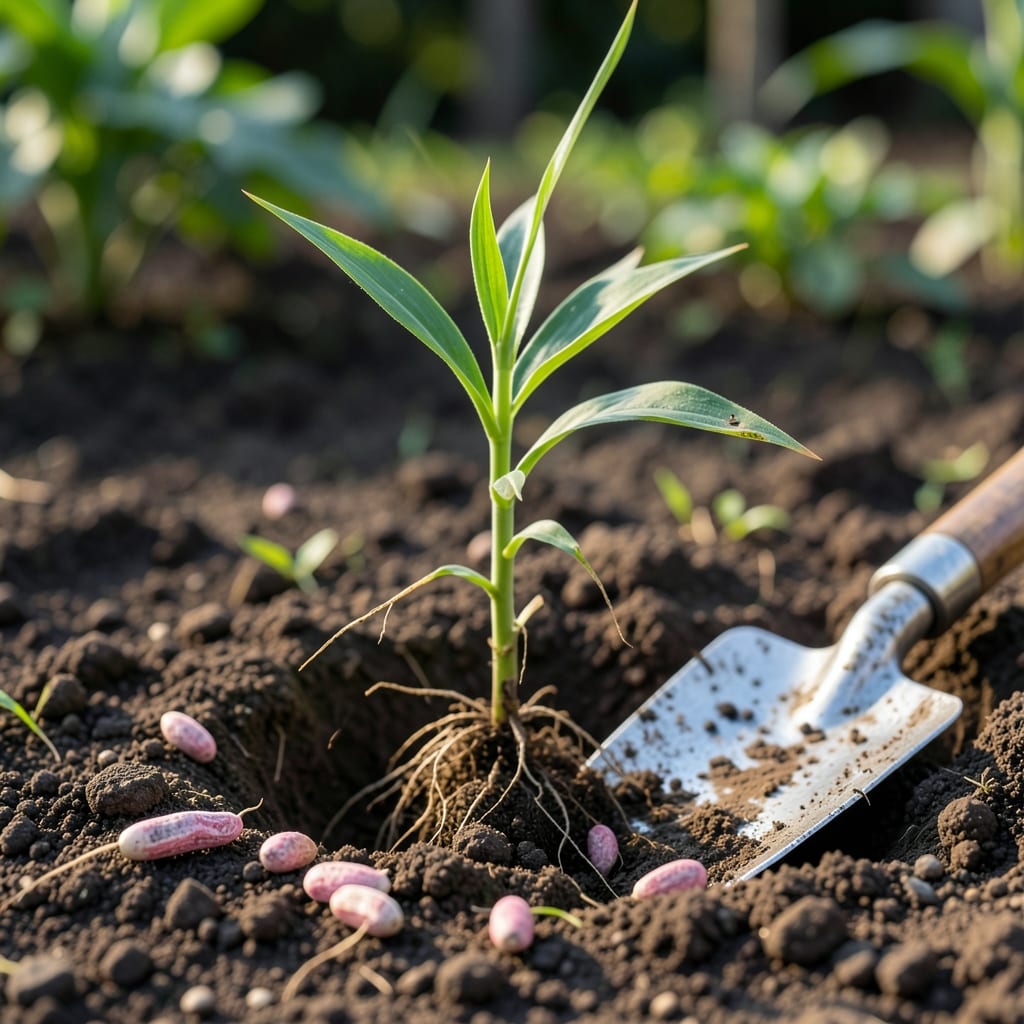
Biological seed coating enhances germination and seedling health by adding beneficial microbes, nutrients, and protective agents to seeds before planting, improving establishment rates in lawns.
I use this method to give my lawn seeds a head start, especially in challenging conditions. The microbes help break down nutrients in the soil, making them more accessible to young plants. Meanwhile, the protective coating shields seeds from pests and diseases during the vulnerable early stages of growth. ✨
This approach mimics natural processes but with targeted, science-backed precision. 💫
💡 In This Article
The coating creates a microscopic powerhouse around each seed. Beneficial microbes like Rhizobium and Trichoderma colonize the seed surface, producing enzymes that break down organic matter into immediately available nutrients. This microbial activity jumpstarts the germination process by making phosphorus, nitrogen, and other essential elements accessible to the emerging seedling. 🔥
Moisture retention is another key advantage. The coating forms a hydrophilic gel that can hold up to 400% of its weight in water, creating a mini reservoir that keeps the seed hydrated during critical early growth stages. This is especially important in dry climates or sandy soils where moisture tends to drain away quickly.
The gel also contains water-soluble polymers that slowly release moisture as the seed absorbs it.
Pathogen protection works through multiple mechanisms. Some coatings contain Bacillus species that produce natural antibiotics, while others use chitin from fungal cell walls to stimulate the seed’s own defense systems. This protection can reduce damping-off disease by up to 70% in field trials, giving seedlings a much higher survival rate during their most vulnerable period.
✨
The physical structure of the coating also helps. It contains tiny pores that allow oxygen to reach the seed while blocking larger pathogen spores. Tests show coated seeds maintain 20-30% higher oxygen levels in the immediate root zone compared to uncoated seeds, which is crucial for cellular respiration during germination.
For lawn applications, this means faster establishment and more uniform growth. In side-by-side comparisons, coated tall fescue seeds showed 40% better emergence after 7 days and 25% greater root mass at 21 days compared to untreated seeds. The result is a thicker, more resilient lawn that establishes itself with less water and fertilizer input. 💫
Rhizobium and Trichoderma are popular choices. These beneficial microbes boost nutrient availability and protect against soil-borne diseases.
The protective and nutritional benefits typically last 2-4 weeks, which covers the critical germination and early seedling stages. After this, the microbes establish themselves in the soil.
While possible, it requires precise equipment and sterile conditions. Commercial coatings are recommended for consistent results. DIY attempts may lead to uneven coverage.
No, but they should be covered with no more than 1/4 inch of soil. Planting too deep can reduce the coating’s effectiveness.