
Beautiful Plants For Your Interior
Beautiful Plants For Your Interior
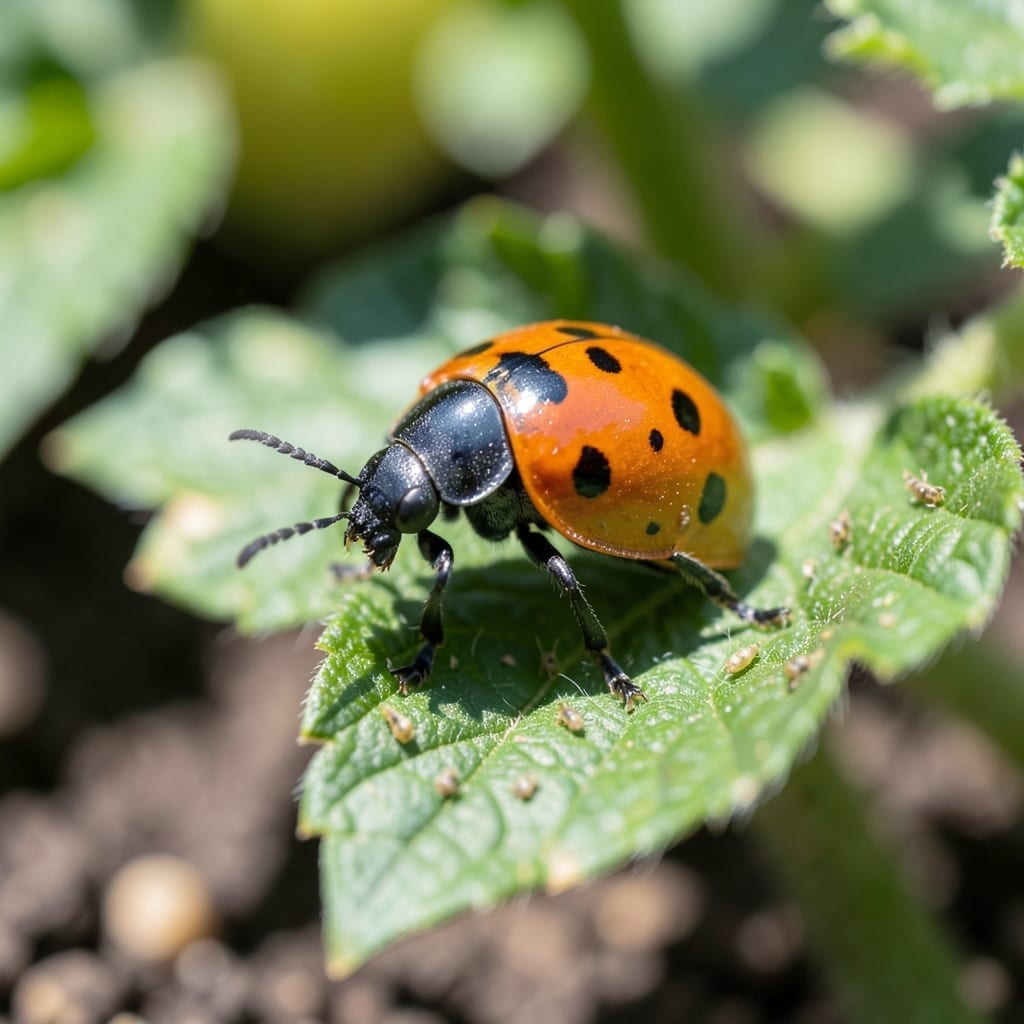
I used to dread aphid season until I discovered nature’s pest control squad. Ladybugs and lacewings transformed my garden from a battleground to a balanced ecosystem.
These tiny predators devour aphids without chemicals, protecting your plants and pollinators. A single ladybug can eat 5,000 aphids in its lifetime, and lacewing larvae are just as voracious.
No more spraying, no more worries about harmful residues. Just release them at dusk when aphids are most active, and let them get to work.
Works for vegetable gardens, flower beds, or even container plants. The results speak for themselves.
Aphid populations explode due to a mix of environmental and ecological factors. Below are the primary causes that disrupt natural balance and lead to infestations.
When ecosystems lack sufficient beneficial insects like ladybugs, lacewings, or parasitic wasps, aphids multiply unchecked. Monoculture farming, pesticide overuse, or habitat destruction often eliminates these predators, removing the natural biological control that keeps aphid numbers in check.
Excess nitrogen in soil promotes rapid, soft plant growth—ideal for aphids. These pests thrive on tender new shoots and leaves, which are nutrient-rich but less resistant to feeding. Reducing high-nitrogen fertilizers can harden plant tissues and deter aphid colonization.
Aphids reproduce asexually in warm, mild weather (60–80°F). Spring and early summer often see population spikes as females give live birth to clones without mating. Drought or excessive humidity can also stress plants, making them more susceptible to infestation.
Broad-spectrum pesticides kill aphid predators and aphids, but survivors develop resistance. This creates a cycle where aphids rebound stronger while their natural enemies remain depleted. Integrated pest management (IPM) strategies, like introducing ladybugs, help restore equilibrium.
When aphids invade your garden, biological control offers a natural and effective way to restore balance. Here’s how to tackle the issue step by step, with prevention tips to keep your plants thriving.
If aphids are running rampant, it’s likely their natural predators are missing. Release ladybugs (or lacewings) in the early morning or evening when temperatures are cooler. Purchase them from a reputable supplier and sprinkle them near aphid hotspots. Avoid pesticides, as they can harm these helpful allies.
Prevention tip: 💡 Plant nectar-rich flowers like marigolds, dill, or alyssum to attract and retain ladybugs naturally.
Aphids thrive in dense, humid environments. Thin out crowded plants to boost airflow and reduce stress, making it harder for aphids to settle. Prune weak or infested growth to limit their spread.
Prevention tip: ✨ Space plants according to their mature size and avoid over-fertilizing with nitrogen, which can attract aphids.
Synthetic pesticides often kill beneficial insects along with pests. Instead, use soapy water sprays (1 tsp mild soap per liter of water) or neem oil to disrupt aphid feeding without harming ladybugs. Apply in the early morning or late evening to avoid harming pollinators.
Prevention tip: 🌡️ Regularly inspect plants for early signs of aphids and act quickly before infestations grow.
A monoculture garden is an open invitation for aphids. Mix plant types to confuse pests and create a habitat for predator insects. Include herbs like basil or cilantro, which repel aphids while attracting ladybugs.
Prevention tip: 🎯 Rotate crops yearly to prevent aphid populations from establishing permanently.
For small gardens, release 1,500 ladybugs per 1,000 sq ft. For larger areas, use 5,000-10,000. Always release them at dusk when they’re less likely to fly away.
Both are effective, but lacewing larvae are more voracious, consuming up to 60 aphids per day. Ladybugs are easier to find commercially. Consider using both for maximum impact.
Parasitic wasps, hoverfly larvae, and soldier beetles also prey on aphids. These beneficial insects work together to create a balanced ecosystem in your garden.
You’ll typically notice a reduction in 2-3 days, with significant improvement in 1-2 weeks. Results depend on the severity of the infestation and environmental conditions.