
Beautiful Plants For Your Interior
Beautiful Plants For Your Interior
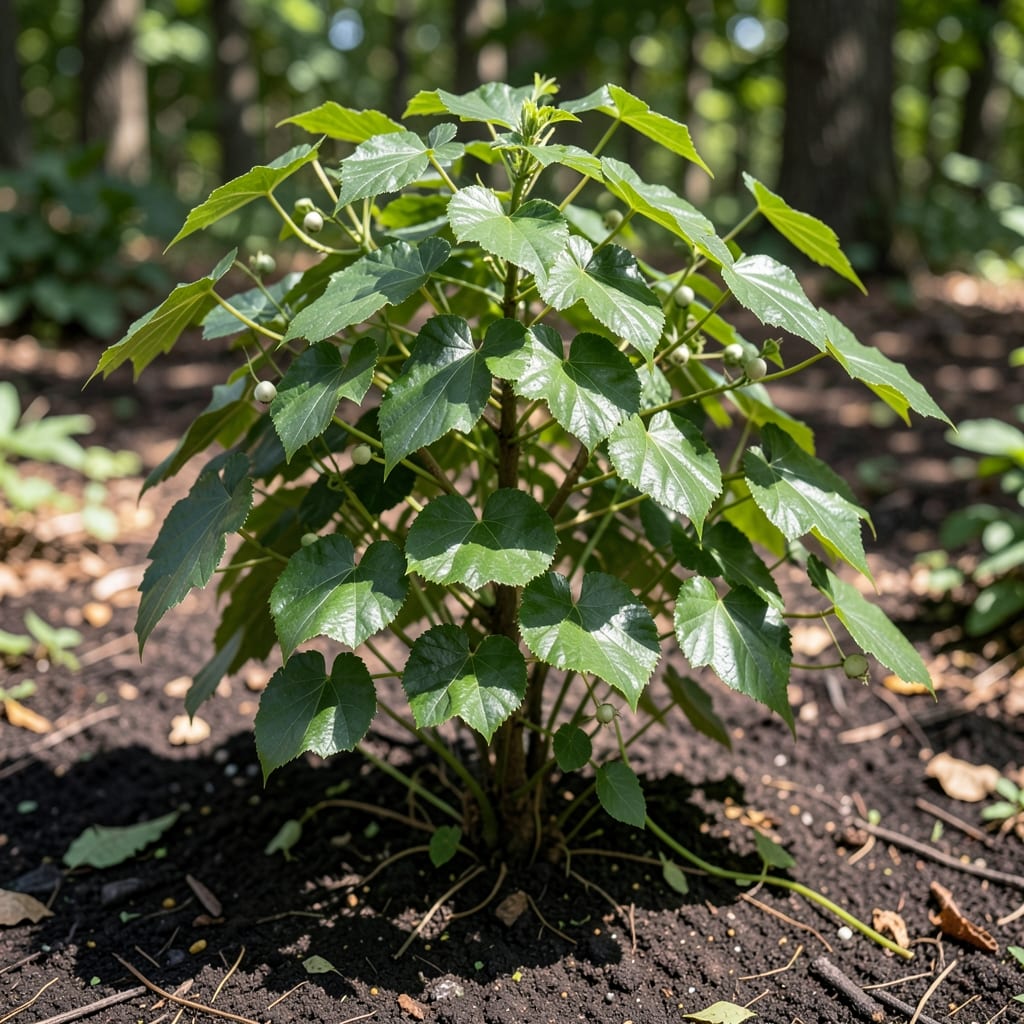
The largest recorded poison ivy plant reached over 15 feet tall with vines exceeding 150 feet long, typically found in undisturbed forests with ideal growing conditions.
These giants thrive in nutrient-rich soil with consistent moisture and partial sunlight, allowing their aerial roots to cling aggressively to trees. 🔥 I’ve seen them dominate forest edges where competition is low, creating dense thickets that can span entire acres. Their ability to grow both upward and outward makes them particularly formidable in the right environment.
💡 In This Article
This plant thrives in nutrient-dense, well-drained soils with pH levels between 6.0-7.5. The ideal environment combines partial sunlight (about 4-6 hours daily) with consistent moisture, allowing the vines to grow both vertically and horizontally without competition from other vegetation. 🔥
Poison ivy’s aggressive growth stems from its unique root system. Aerial roots, called adventitious roots, allow it to cling to trees and structures while its underground rhizomes spread outward at rates of up to 1 foot per year. These rhizomes store energy, enabling rapid expansion when conditions are favorable. 🌟
The plant’s ability to photosynthesize efficiently in varied light conditions gives it an edge. Unlike many plants that struggle in shade, poison ivy adapts by producing larger, thinner leaves to capture more sunlight. In optimal environments, these leaves can grow up to 12 inches long, supporting the plant’s massive vine development. ✨
Water access plays a critical role in its size. In forests with consistent rainfall or near water sources, poison ivy can develop the extensive root networks needed to support its growth. The combination of these factors allows some specimens to reach heights comparable to small trees while maintaining their vine-like spreading habit. ⚡
What most people don’t realize is that undisturbed areas provide the perfect storm for growth. Without human interference or competing vegetation, poison ivy can focus all its energy on expansion rather than defense, leading to those record-breaking sizes we occasionally encounter in the wild. 💫
Mature plants can reach over 15 feet tall, with vines stretching more than 150 feet in ideal conditions. This height is usually achieved when climbing trees or structures in undisturbed forests.
Optimal soil, consistent moisture, and 4-6 hours of daily sunlight allow them to thrive. Undisturbed areas with minimal competition let them expand rapidly via underground rhizomes.
Look for thick, hairy vines (as wide as a wrist) with the classic leaves of three. Mature plants may have woody stems and clusters of small white berries in fall.
Yes. Older, larger plants often produce more urushiol, the oil causing allergic reactions. Avoid contact, as even brief exposure can trigger severe rashes.
While they don’t harm trees directly, dense vines can block sunlight and weigh down branches. Their aggressive growth can smother smaller vegetation.