
Beautiful Plants For Your Interior
Beautiful Plants For Your Interior
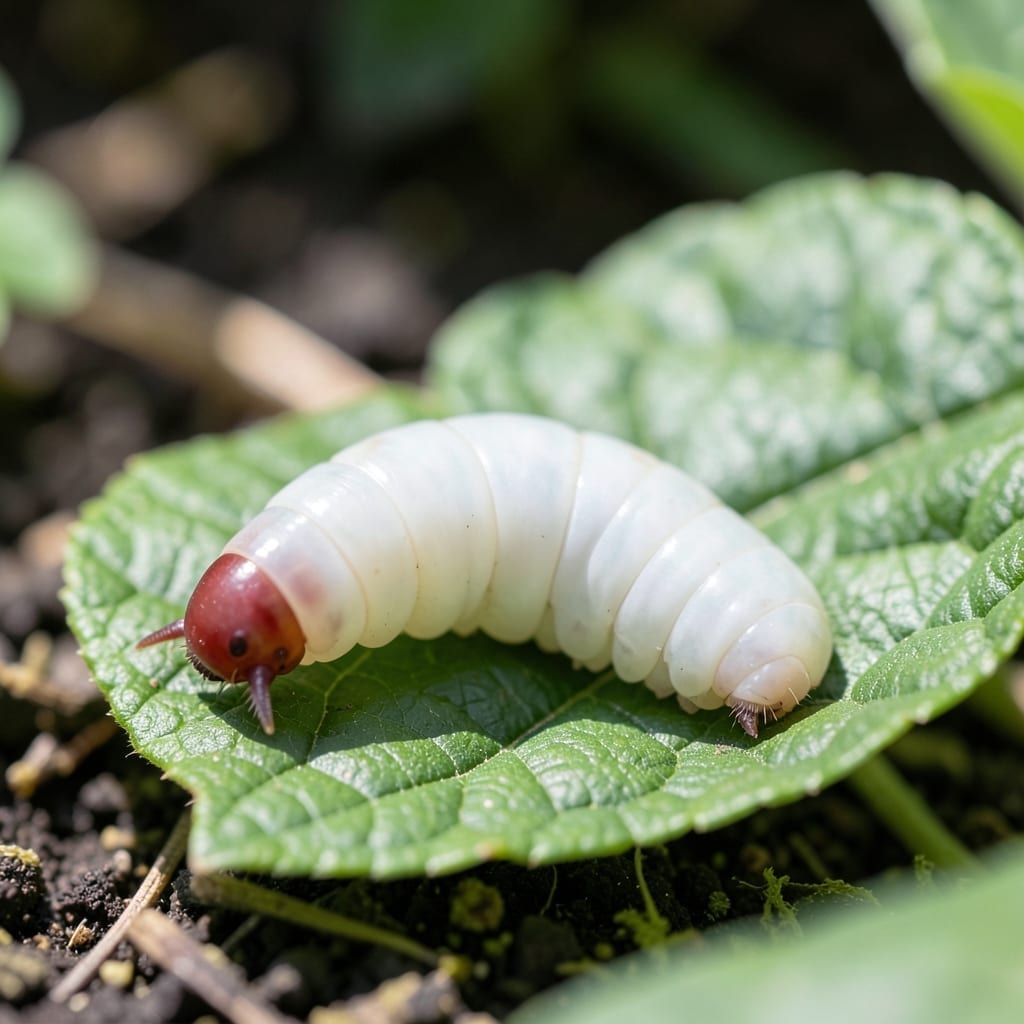
Spotted a big white worm with a red head in your garden? I’ve been there—it’s unsettling, but identifying it is the first step to protecting your plants.
These pests often target soil and plant roots, and they can multiply quickly if left unchecked. The good news? There are safe, effective ways to remove them without harming your garden’s ecosystem.
I’ll walk you through how to confirm what you’re dealing with and the best methods to eliminate them for good. No guesswork, just actionable steps.
Prevention is key, so we’ll cover how to keep them from returning next season. Your garden can bounce back stronger.
The appearance of a big white worm with a red head in your garden, compost, or even home often stems from specific environmental or biological factors. Below are the most common causes, explained with actionable insights.
These worms thrive in nutrient-rich, decaying organic material. If you spot them in compost piles or mulch, it’s likely due to an abundance of decomposing plant matter. They break down organic waste, accelerating the composting process. Action: Ensure proper aeration in compost to balance their population.
Overwatered soil or poor drainage creates the perfect damp habitat for these worms. They seek moisture to survive, so soggy garden beds or leaky pipes may attract them. Action: Improve drainage and reduce watering to discourage their presence.
Warmth and humidity encourage their reproduction. Greenhouses, basements, or shaded outdoor areas with high humidity are prime locations. Action: Use dehumidifiers indoors or increase airflow in affected areas.
Compacted or nutrient-poor soil can lead to an overgrowth of these worms as they compete for limited resources. Action: Aerate soil and add organic amendments to restore balance.
By addressing these root causes, you can manage or prevent their appearance effectively.
If you’ve spotted a big white worm with a red head in your garden, compost, or home, here’s how to address the issue safely and effectively. Below are targeted solutions based on common causes, along with prevention tips to keep them from returning.
Cause: Grubs or larvae (e.g., tomato hornworms or cutworms) thriving in moist, nutrient-rich soil.
Fix: Handpick worms early in the morning or evening when they’re active. For larger infestations, apply Bacillus thuringiensis (Bt), a natural bacterial pesticide, to the soil. Neem oil can also deter egg-laying adults.
Prevention: Rotate crops annually, remove plant debris, and encourage natural predators like birds or beneficial nematodes. 💡 Pro tip: Till the soil in late fall to expose and disrupt larvae.
Cause: Excess moisture or imbalanced green/brown materials attracting worms like red wigglers or soldier fly larvae.
Fix: Turn the compost pile to aerate it and dry it out. Add more brown materials (e.g., dry leaves, cardboard) to restore balance. If the worms are harmless (like red wigglers), consider relocating them to a dedicated vermicompost bin.
Prevention: Maintain a 3:1 ratio of brown to green materials and keep the pile as damp as a wrung-out sponge. 🌡️ Pro tip: Use a compost thermometer to monitor heat (120–160°F kills most pests).
Cause: Pantry moth larvae or other stored-product pests infesting dry goods.
Fix: Discard infested food immediately. Clean shelves with vinegar or soap, and vacuum cracks to remove eggs. Store food in airtight glass or metal containers.
Prevention: Inspect groceries before storing, and use pheromone traps to catch adult moths. ✨ Pro tip: Freeze susceptible items (flour, grains) for 4 days to kill hidden eggs.
Yes, many species with this description can damage plant roots and foliage. Tomato hornworms and cutworms, for example, can quickly defoliate garden plants if left unchecked.
Red wigglers in compost are harmless and actually improve soil health. Check for a segmented body and a more uniform color. Harmful grubs often have a thicker, creamier appearance.
Handpicking is the most eco-friendly approach. Wear gloves and drop them in soapy water. For larger infestations, use Bacillus thuringiensis (Bt), a natural bacteria that targets only pests.
Some species, like pantry moth larvae, can invade stored foods. Inspect dry goods regularly and store them in airtight containers to prevent contamination.