
Beautiful Plants For Your Interior
Beautiful Plants For Your Interior
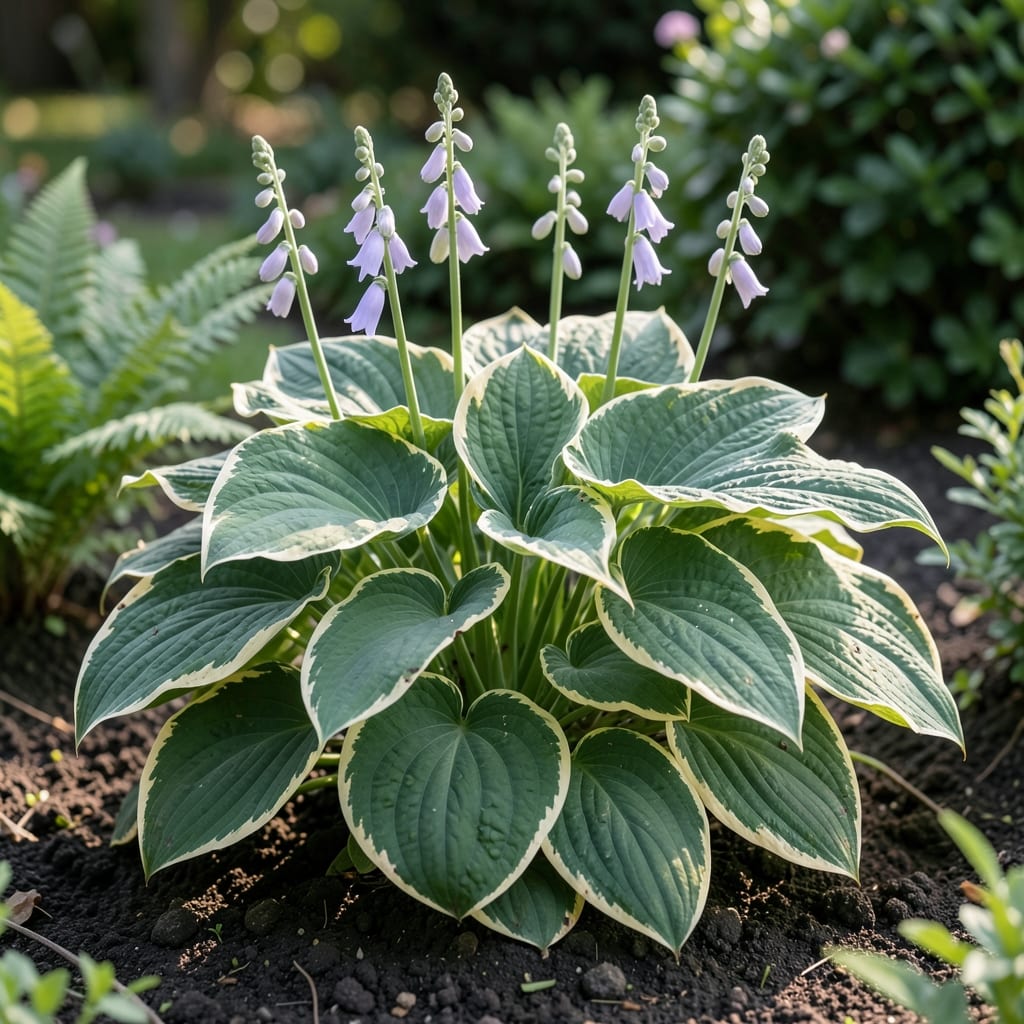
Big leaf hostas are susceptible to slugs, snails, deer, and foliar nematodes. Prevent issues with proper spacing, mulching, and organic pesticides while ensuring good airflow and soil drainage.
I’ve noticed these plants often fall victim to garden invaders because their large, lush leaves provide perfect hiding spots for pests. 🔥 In my experience, the combination of slug barriers and deer-resistant companion plants works wonders to protect them without harsh chemicals.
The key is creating an environment that’s less appealing to troublemakers while keeping your hostas healthy and thriving. ✨
💡 In This Article
Big leaf hostas attract slugs and snails due to their tender, moisture-rich foliage. These pests leave telltale silver trails and irregular holes in leaves, often feeding at night when humidity is highest. 🌟 The broad leaves create perfect shelters, trapping moisture that softens the tissue for easier consumption.
Deer are another major threat, drawn to hostas as a tasty snack. They typically eat entire leaves down to the stem, with damage most severe in early spring when new growth emerges. A single deer can devastate a planting overnight, targeting the most succulent shoots first.
Foliar nematodes are microscopic worms that enter leaves through stomata. They cause interveinal browning and yellowing between veins, creating a distinctive “windowpane” effect as tissue dies. These pests thrive in cool, wet conditions and spread via water splash.
What makes big leaf varieties especially vulnerable is their large surface area. 12-18 inch leaves provide more space for pests to feed and hide. The thick foliage also reduces airflow, creating humid microclimates that encourage slug and snail activity. 🔥
Prevention starts with understanding these attraction factors. The same traits that make big leaf hostas garden showpieces—lush growth and dramatic foliage—also make them pest magnets. Strategic planting and barriers can help mitigate these natural vulnerabilities.
Create barriers with copper tape or diatomaceous earth around plants. These pests dislike crossing these materials. Also, handpick them at night when they’re most active, or use organic baits in early evening.
Deer are attracted to the tender new growth in spring. Install 8-foot tall fencing or use repellents with putrescent eggs. Planting deer-resistant species nearby can also help deter them.
Water deeply at the base using a soaker hose in the morning. Avoid overhead watering, especially in late afternoon, to prevent fungal diseases. Aim for 1 inch of water per week during dry spells.
Plant them 2-3 feet apart to ensure good airflow. This spacing reduces humidity around leaves, which helps prevent both pest and disease issues while allowing room for their large foliage.