
Beautiful Plants For Your Interior
Beautiful Plants For Your Interior
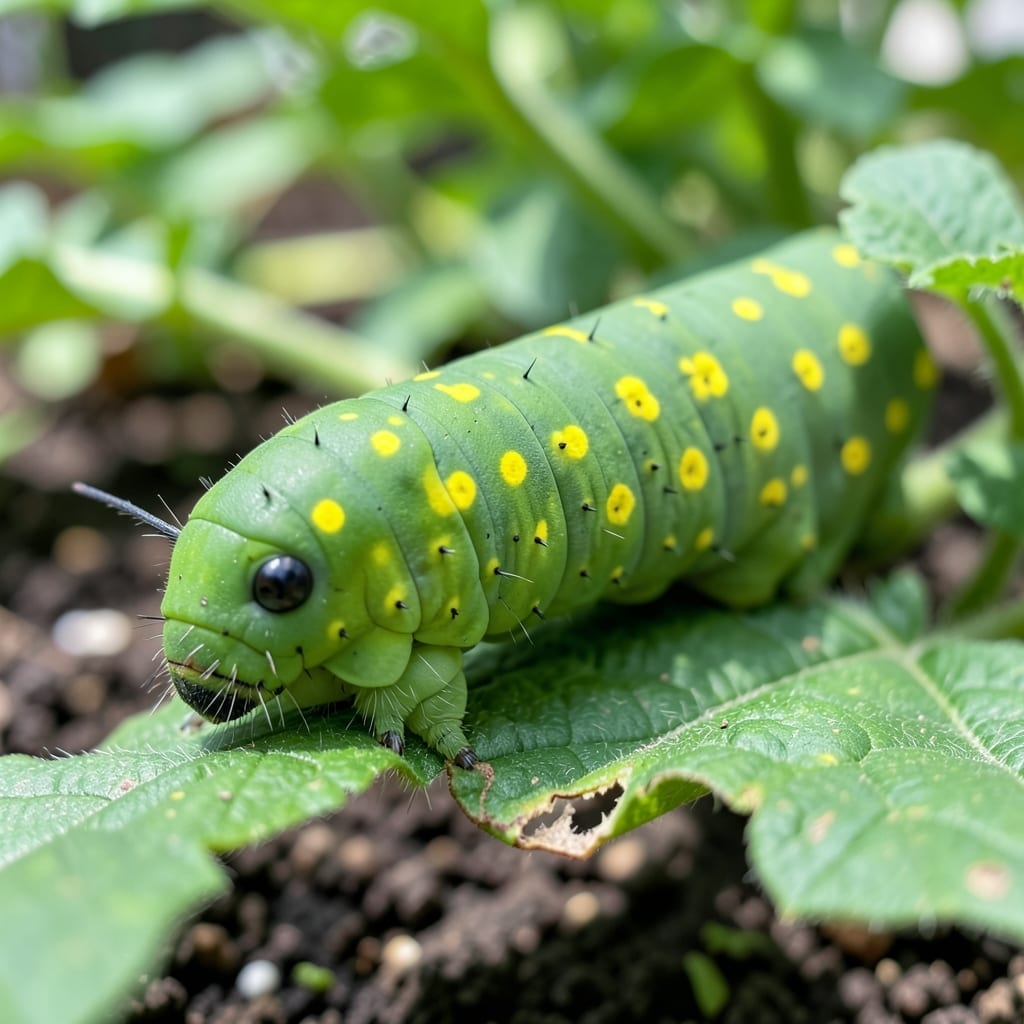
That big green caterpillar with yellow spots chewing through your plants overnight? I’ve been there. One morning, my tomato leaves looked like Swiss cheese, and the culprit was hiding in plain sight.
This pest is usually the tomato hornworm, a master of camouflage that can strip a plant bare in days. Left unchecked, it’ll move from leaves to fruit, leaving your garden a shadow of its former self.
Here’s the thing—you don’t need harsh chemicals to stop it. A few simple, organic steps can remove them safely and keep them from coming back.
We’ll cover how to spot them early, remove them without harming your garden, and prevent future invasions. No guesswork, just results.
The presence of a big green caterpillar with yellow spots in your garden is often tied to specific environmental and biological factors. Below are the primary causes, explained scientifically yet simply.
Many green caterpillars with yellow spots, such as the Tomato Hornworm or Swallowtail larvae, thrive in gardens rich in their preferred host plants. These caterpillars are drawn to plants like tomatoes, parsley, dill, or carrots. Their appearance is a natural response to the availability of food sources. The bright yellow spots often serve as a warning to predators, indicating potential toxicity or bad taste.
Caterpillars flourish in warm, humid conditions, which accelerate their life cycle. High temperatures (75–85°F) and moisture levels create an ideal breeding ground for moths and butterflies to lay eggs. These eggs quickly hatch into caterpillars, leading to sudden infestations. Gardens in temperate or tropical climates are especially susceptible during late spring and summer.
When natural predators like birds, parasitic wasps, or ladybugs are absent, caterpillar populations can explode. Pesticides or habitat disruption often reduce these predators, giving caterpillars free rein to feed and grow. Encouraging biodiversity (e.g., planting native flowers or avoiding chemicals) can restore balance and reduce caterpillar numbers organically.
Excessive nitrogen in soil promotes lush, soft foliage—perfect for caterpillars to munch on. Over-fertilized plants lack natural defenses, making them more vulnerable to infestations. Opt for balanced, organic fertilizers and avoid overwatering to create a less appealing environment for these pests.
Dealing with a big green caterpillar with yellow spots in your garden? Here’s how to tackle the issue organically and effectively.
If the infestation is small, the simplest solution is to handpick the caterpillars. Wear gloves and drop them into a bucket of soapy water to ensure they don’t return. Prevention tip: 💡 Inspect leaves daily, especially under them, to catch caterpillars early.
Attract birds, parasitic wasps, or ladybugs to your garden—they love feasting on caterpillars. Install birdhouses or plant nectar-rich flowers to draw them in. Prevention tip: 🌿 Avoid pesticides, which can harm these helpful predators.
Apply neem oil or Bacillus thuringiensis (Bt) spray to affected plants. These natural treatments disrupt the caterpillars’ feeding without harming beneficial insects. Prevention tip: ✨ Reapply after rain for lasting protection.
Plant repellent herbs like mint, thyme, or rosemary near vulnerable plants. Their strong scents can deter caterpillars from laying eggs. Prevention tip: 🎯 Rotate crops yearly to reduce recurring infestations.
By combining these methods, you’ll keep your garden thriving—naturally!
Yes, it can quickly defoliate plants like tomatoes, parsley, and carrots if left unchecked. A single caterpillar can consume entire leaves in a day, so early removal is key.
Look for a white “horn” on its rear end—this is a hallmark of the tomato hornworm. Beneficial species like swallowtails lack this feature and often have more varied color patterns.
It will transform into a moth, specifically the five-spotted hawkmoth. Unlike butterflies, these moths are nocturnal and not harmful to gardens.
Place it on a wild host plant far from your garden. Just ensure it’s not near other cultivated crops to prevent reinfestation.