
Beautiful Plants For Your Interior
Beautiful Plants For Your Interior
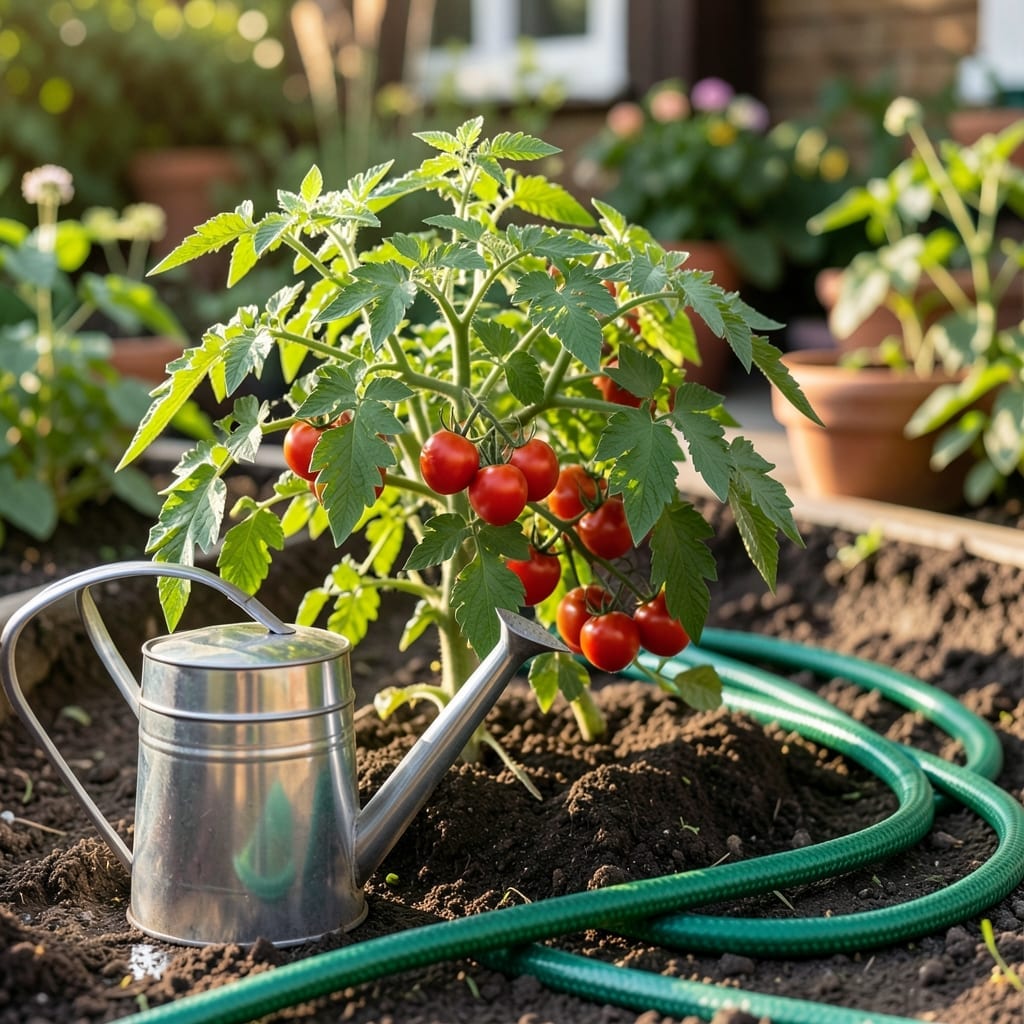
Morning is generally better as it reduces evaporation, prevents fungal growth, and gives plants time to absorb water before heat sets in. Evening works but may encourage disease in some climates.
I’ve found that watering early allows plants to take full advantage of cooler temperatures and lower wind speeds, maximizing hydration efficiency. 🔥 In hotter regions, this timing also prevents moisture from lingering overnight, which can attract pests or promote mold. For most gardens, sticking to a consistent morning schedule leads to stronger root systems and healthier growth overall.
💡 In This Article
Early watering aligns perfectly with your plants’ biological clock. At dawn, temperatures are typically 10-15°F cooler than midday, which means water soaks into the soil rather than evaporating. This gives roots time to absorb moisture before the 10 AM-4 PM peak evaporation window hits.
Your plants’ photosynthesis kicks into high gear in the morning. With water readily available at the roots, they can efficiently convert sunlight into energy. Studies show this can boost growth rates by up to 20% compared to evening watering in many species.
The timing also allows foliage to dry quickly, which is crucial for disease prevention. 🔥
Morning watering creates a buffer against heat stress. The water in the soil acts like a thermal regulator, keeping root zones 5-8°F cooler than dry soil when temperatures spike. This is especially important for shallow-rooted plants like lettuce or annual flowers that can wilt in just a few hours of 90°F+ weather.
Fungal diseases thrive in prolonged moisture. By watering at 6-8 AM, you give leaves 4-6 hours to dry before evening dew sets in. This breaks the moisture cycle that fungi need to establish. I’ve seen gardeners reduce powdery mildew cases by 40% just by switching to morning watering. ✨
Soil temperature also plays a role. In the morning, soil is often 50-60°F, the ideal range for water absorption. As the day progresses, soil can heat up to 80-90°F, which actually slows water uptake. The cooler morning soil helps roots absorb water more efficiently.
This timing particularly benefits thirsty plants like tomatoes, peppers, and squash. These heavy drinkers need about 1-1.5 inches of water per week, and morning watering ensures they get their daily 0.2-0.3 inches before the heat demands more. 💫
Watering at noon leads to rapid evaporation, wasting up to 30-50% of your water. The 90°F+ heat also stresses plants, potentially scorching leaves if droplets act as magnifying glasses. Always avoid midday watering for best results.
Check the soil 1-2 inches down—if it feels dry, it’s time to water. Look for wilting leaves or dull, grayish-green color as signs of thirst. Early morning is the best time to assess and water if needed.
Yes! Potted plants dry out faster and benefit from morning watering. However, they may need a second light watering in the late afternoon during extreme heat. Always water at the base, not the leaves.
Skip watering if rain exceeds 0.5 inches in a day. Overwatering can drown roots and leach nutrients. Use a rain gauge to track precipitation and adjust your schedule accordingly.