
Beautiful Plants For Your Interior
Beautiful Plants For Your Interior
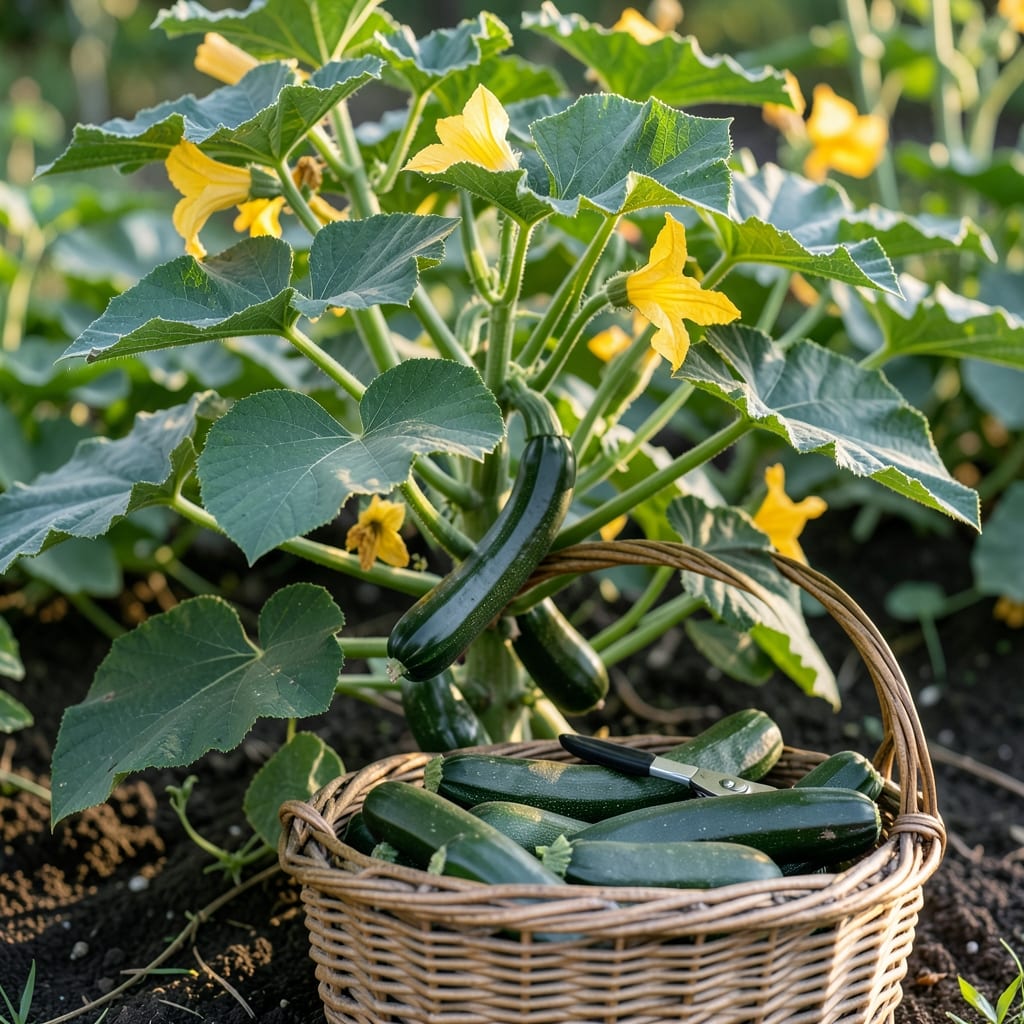
Cold temperatures dramatically slow the enzymatic activity that breaks down cell walls in zucchini. At 32-40°F, the pectinase and cellulase enzymes that cause softening become nearly dormant, preserving the vegetable’s firm texture for 5-7 days. 🔥
The crisper drawer’s high humidity setting (typically 85-95%) prevents moisture loss through transpiration. Zucchini is 95% water, so this controlled environment maintains its crispness far better than the main fridge compartment.
Without this humidity control, zucchini would lose about 5-10% of its weight daily through water evaporation. The crisper’s sealed environment also limits oxygen exposure, which reduces oxidation that can turn the skin dull and accelerate spoilage.
Temperature fluctuations are another enemy. Each degree above 40°F doubles the rate of enzyme activity. This is why the crisper’s consistent temperature is more effective than leaving zucchini on the counter, where it might spoil in 2-3 days. ✨
For comparison, summer squash like zucchini spoils 3-4 times faster than winter squash varieties. Their thinner skins and higher water content make them particularly sensitive to improper storage conditions.
No, leave it unwashed to prevent moisture buildup that speeds up spoilage. Store it whole in the crisper drawer for 5-7 days.
Only for 1-2 days if you plan to use it quickly. Beyond that, the warmth accelerates softening and spoilage.
Slice into 1/2-inch rounds, blanch for 1-2 minutes, cool in ice water, then freeze in a single layer. Transfer to airtight containers for up to 10 months.
Toss it if the skin feels slimy, the flesh is mushy, or you notice an off smell. Fresh zucchini should be firm with a slightly glossy skin.