
Beautiful Plants For Your Interior
Beautiful Plants For Your Interior
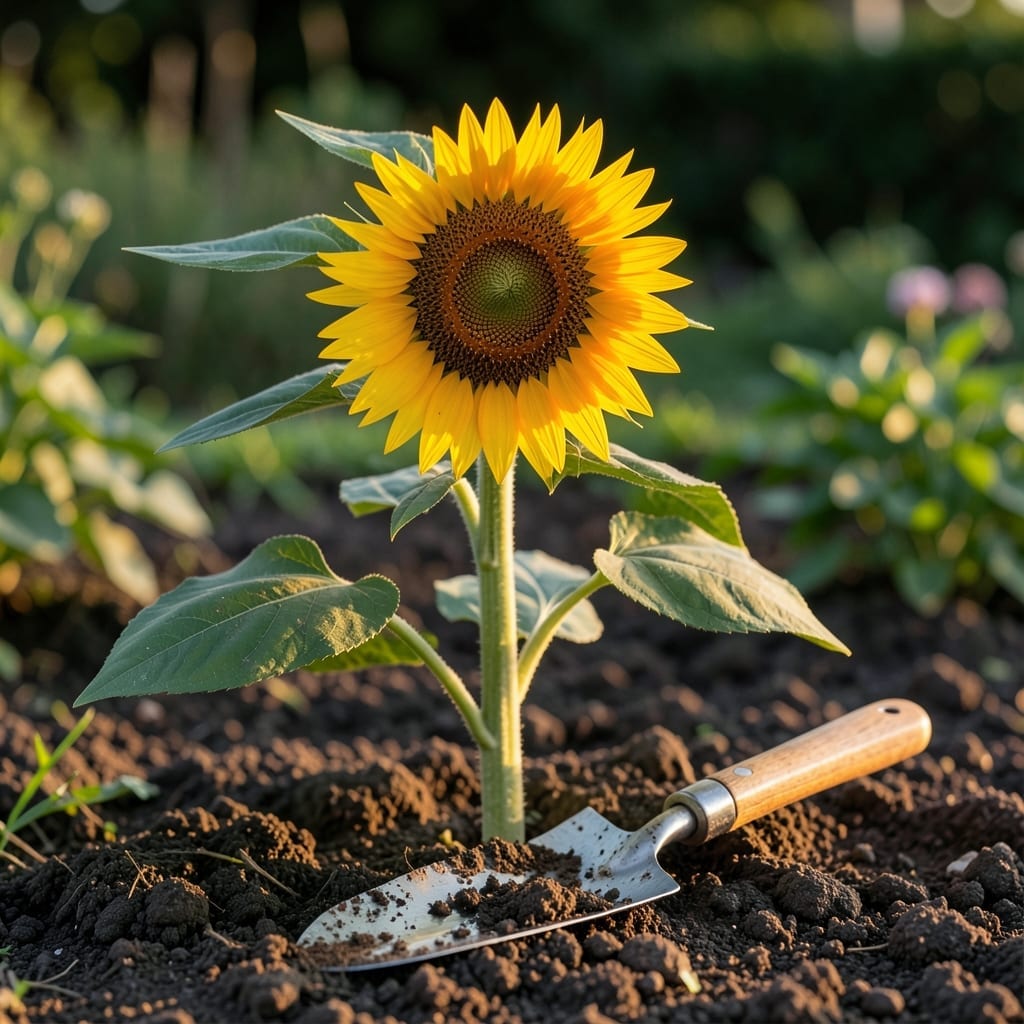
Start with well-draining soil in full sun, plant seeds 1-2 inches deep after the last frost, water consistently but avoid overwatering, and use stakes for tall varieties to support growth.
I’ve found these plants thrive when given space to grow—about 12-24 inches apart prevents competition for nutrients. Sunflowers are heavy feeders, so enriching the soil with compost before planting gives them a strong start. 🔥 This method ensures sturdy stems that can support those iconic, towering blooms without toppling over.
💡 In This Article
Sunflowers thrive in soil with a pH of 6.0-7.5, which allows optimal nutrient uptake. This slightly acidic to neutral range helps roots absorb essential minerals like nitrogen and phosphorus efficiently. The soil must drain well to prevent root rot, yet retain enough moisture for consistent growth during the 70-90 day maturation period. 🔥
These plants are solar-powered giants, requiring 6-8 hours of direct sunlight daily. The phototropism response—where sunflowers turn toward the sun—is most active in young plants. This heliotropism slows as they mature, but consistent sun exposure directly impacts stem strength and bloom size. Shaded locations often produce weaker, shorter specimens.
Temperature plays a critical role in germination and growth. Seeds sprout best in soil warmed to 70-85°F, while established plants tolerate a range of 70-78°F for optimal development. Nighttime temperatures below 50°F can stunt growth, making frost dates a crucial planting consideration. The warmth also accelerates cellular division in the stem, contributing to height. ✨
Water needs vary by growth stage. Seedlings require consistent moisture to establish roots, while mature plants need deep but infrequent watering—about 1-2 inches per week. The taproot system, which can extend 3-4 feet deep, makes sunflowers relatively drought-tolerant once established. Overwatering, however, can dilute soil nutrients and lead to shallow root development.
For maximum height, focus on varieties like ‘Mammoth’ or ‘Russian Giant’, which can reach 12-15 feet under ideal conditions. These giants demand more water and nutrients, particularly potassium for stem strength. Wind protection becomes essential at these heights to prevent snapping. 💫
Plant seeds about 1-2 inches deep in well-draining soil. Any shallower and they may dry out, while deeper planting can delay germination. Ensure the soil temperature is at least 70°F for best results.
Water deeply once a week, providing about 1-2 inches of water. Sunflowers develop deep taproots, making them drought-tolerant once established. Young plants need consistent moisture until roots are well-developed.
They’ll survive but won’t thrive. Sunflowers need 6-8 hours of direct sunlight daily for strong stems and large blooms. Shade leads to weak, spindly plants that may not produce flowers.
Sow seeds after the last frost when soil has warmed to 70-85°F. In most regions, this is 2-3 weeks after the last frost date. Planting too early in cold soil can cause seeds to rot.
Tall varieties often topple without support. Use stakes or ties for stems over 3 feet. Overwatering or poor soil drainage can also weaken roots, making plants more susceptible to wind damage.