
Beautiful Plants For Your Interior
Beautiful Plants For Your Interior
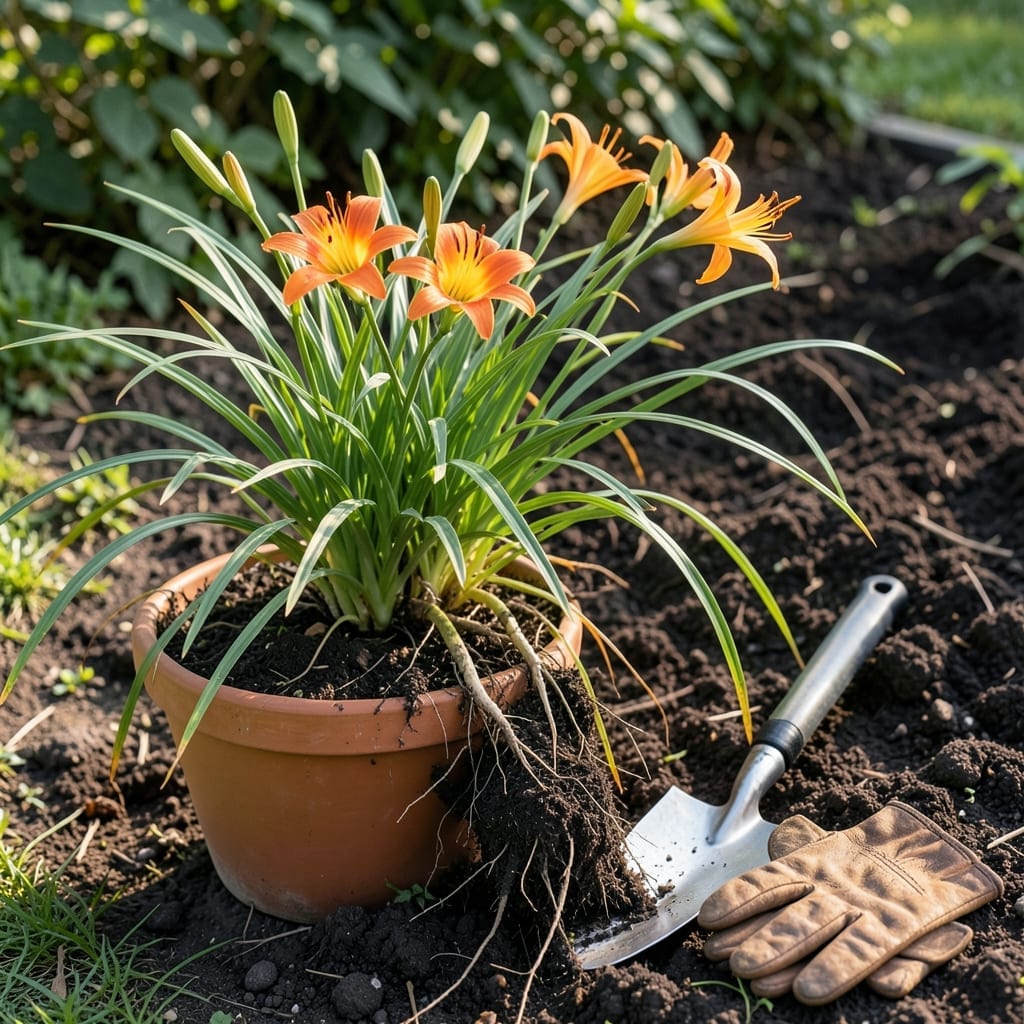
Timing is everything when replanting Daylilies—do it right, and you’ll be rewarded with vibrant blooms and healthier plants.
I learned the hard way that choosing the wrong season can set your 🌸 garden back months. Whether you’re in USDA Zone 6 or another region, nailing the schedule is the key to success.
Discover when to make your move and how to prep for a seamless transition. Your Daylilies will thank you with a stunning display next season.
I’ve found that early spring and early fall are the golden windows for replanting daylilies. These periods give roots time to establish before summer heat or winter cold sets in.
In USDA Zone 6, aim for March to April or September to October. This timing reduces transplant shock and ensures your plants thrive in their new home.
| Season | Best Months | Why It Works |
|---|---|---|
| Early Spring | March-April | Cool temps, root growth before heat |
| Early Fall | September-October | Mild weather, establishes before frost |
| Late Fall | Avoid November | Risk of frost damage to new roots |
| Summer | Not Recommended | Heat stress slows recovery |
The soil temperature in these seasons is just right—50-60°F—which encourages root development without stressing the plant. I always check the 5-day forecast to avoid unexpected frosts.
If you’re in a warmer climate, like Zone 8 or higher, you can stretch the fall window into late October. But in cooler zones, stick to early fall to be safe.
Morning planting is ideal—it gives daylilies a full day to settle before the hottest part of the day. I also water deeply the day before to reduce shock during the move.
Don’t forget to mulch lightly after replanting. This keeps soil moisture consistent and protects roots from temperature swings. A 2-inch layer of organic mulch works perfectly.
For container-grown daylilies, the rules are similar, but you can be a bit more flexible. Just ensure the new pot is at least 2 inches wider than the old one.
I’ve noticed that daylilies replanted in early spring often bloom the same year, while fall-planted ones may wait until next summer. Both timing options work, but spring gives you faster rewards.
If you’re unsure about your local climate, consult your USDA zone map or ask at a local nursery for the best advice tailored to your area 🌸
Sometimes your daylilies will tell you it’s time to move them, regardless of the season. I watch for overcrowded clumps where stems are packed tightly together.
Another red flag is reduced blooming. If your once-vibrant plants are producing fewer flowers, it often means they’re root-bound and need more space.
Yellowing foliage in the center of the clump is another sign. This happens when the older growth can’t compete for nutrients and starts to die back.
I also look for stunted growth. If your daylilies aren’t reaching their usual height, it might be time to divide and replant for better health.
Check the roots too. If you see roots circling the container or spreading beyond the planting area, your daylilies are begging for space. This is nature’s way of saying, “I need room to grow!”
Don’t wait until your plants are struggling. When you spot 2-3 of these signs, it’s time to act. The sooner you replant, the quicker your daylilies will recover and reward you with more blooms 🌸