
Beautiful Plants For Your Interior
Beautiful Plants For Your Interior
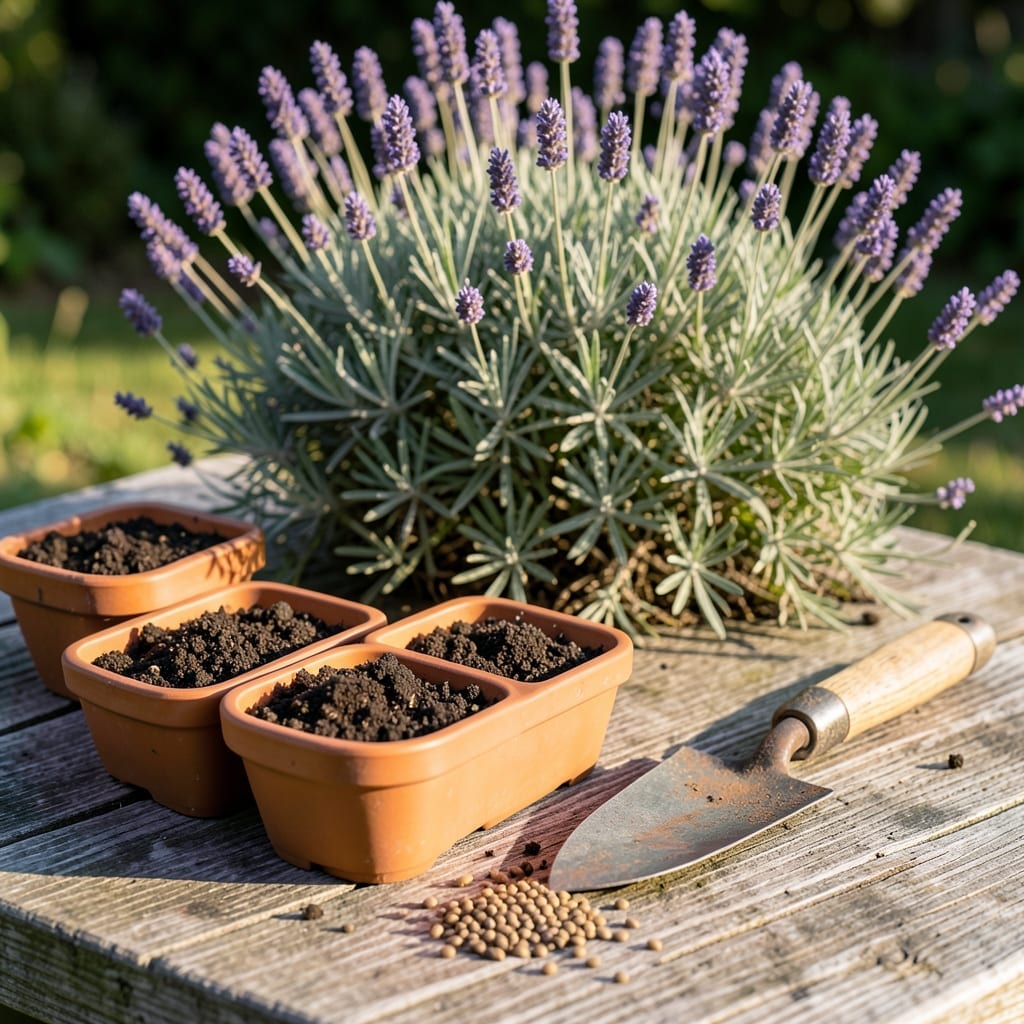
Timing is everything when it comes to growing vibrant 🟣 Lavender from seeds. Plant too early or too late, and you might end up with weak, struggling plants instead of the fragrant, flourishing bushes you dream of.
I’ve learned through trial and error that getting the season right makes all the difference. Whether you’re in zone 5-9 or just starting your gardening journey, there’s a perfect window to begin.
Discover the ideal moments to plant your seeds and set the stage for a garden full of color and fragrance. Let’s get your Lavender off to the best start possible.
When I first started growing lavender, I quickly realized that timing varies dramatically by region. In warmer zones like 8-9, you can plant seeds as early as February indoors. This gives them a head start before the last frost passes.
For gardeners in cooler zones like 5-7, waiting until March or April is safer. The soil needs to be warm enough for proper germination, which typically means temperatures above 60°F.
| Climate Zone | Indoor Start | Outdoor Planting |
|---|---|---|
| Zones 8-9 | February | March-April |
| Zones 5-7 | March | April-May |
| Zone 4 | April | May-June |
*All dates assume average last frost timing for the zone
In my experience, starting seeds indoors is the most reliable method. I use seed trays with well-draining soil and place them in a sunny window. This mimics the Mediterranean conditions lavender loves.
The key is to harden off your seedlings before transplanting. I begin this process 2 weeks before moving them outside, gradually increasing their exposure to outdoor conditions. This prevents transplant shock.
For direct sowing, wait until all danger of frost has passed. In zone 7, this is typically mid-April. The soil temperature should consistently be above 60°F for best results. I always check with a soil thermometer to be sure.
If you’re in a hot climate like zone 9, you can even plant lavender seeds in early fall. The mild winters allow for year-round growth, but be sure to provide afternoon shade for young plants.
Remember that lavender prefers poor soil. I’ve found that amending with sand rather than compost creates the drainage it needs. Too much organic matter can lead to root rot, which is a common issue for beginners.
Watering is another critical factor during germination. I keep the soil moist but not soggy, using a spray bottle to avoid disturbing the seeds. Once the seedlings emerge, I reduce watering to prevent damping off.
Lastly, don’t forget about light requirements. Lavender needs full sun to thrive. If you’re starting seeds indoors, a grow light can help provide the 14-16 hours of light they need daily for strong growth.
With these timing tips, you’ll be well on your way to growing healthy lavender that will reward you with beautiful blooms and that signature fragrance we all love ☀️
I’ve found that proper seed preparation makes a huge difference in germination rates. Start by stratifying seeds in the fridge for 2-4 weeks to break their dormancy. This mimics natural winter conditions and boosts success. 🌱
Next, fill seed trays with a sandy, well-draining mix—lavender hates soggy roots. I use a blend of 50% potting soil and 50% coarse sand for the best results. Press seeds lightly into the soil but don’t cover them, as they need light to germinate.
After planting, mist the soil gently with a spray bottle to avoid displacing seeds. Place trays in a warm, bright location or under grow lights. I keep mine on a heat mat set to 70°F for consistent warmth.
Germination typically takes 14-30 days. Once seedlings emerge, remove any plastic covers and reduce watering slightly. Thin seedlings to 2-3 inches apart when they develop their first true leaves. This prevents overcrowding and promotes strong root systems.
When seedlings have 4-6 true leaves, it’s time to transplant. I harden mine off for 1-2 weeks before moving them outdoors. Start with 1 hour of sun the first day, gradually increasing exposure. This prevents shock from sudden environmental changes.
Finally, choose a sunny spot with excellent drainage for permanent planting. Space plants 12-18 inches apart to allow for air circulation. Water deeply after transplanting, then taper off to encourage drought tolerance. With this method, you’ll see robust growth and vibrant blooms in no time ✂️