
Beautiful Plants For Your Interior
Beautiful Plants For Your Interior
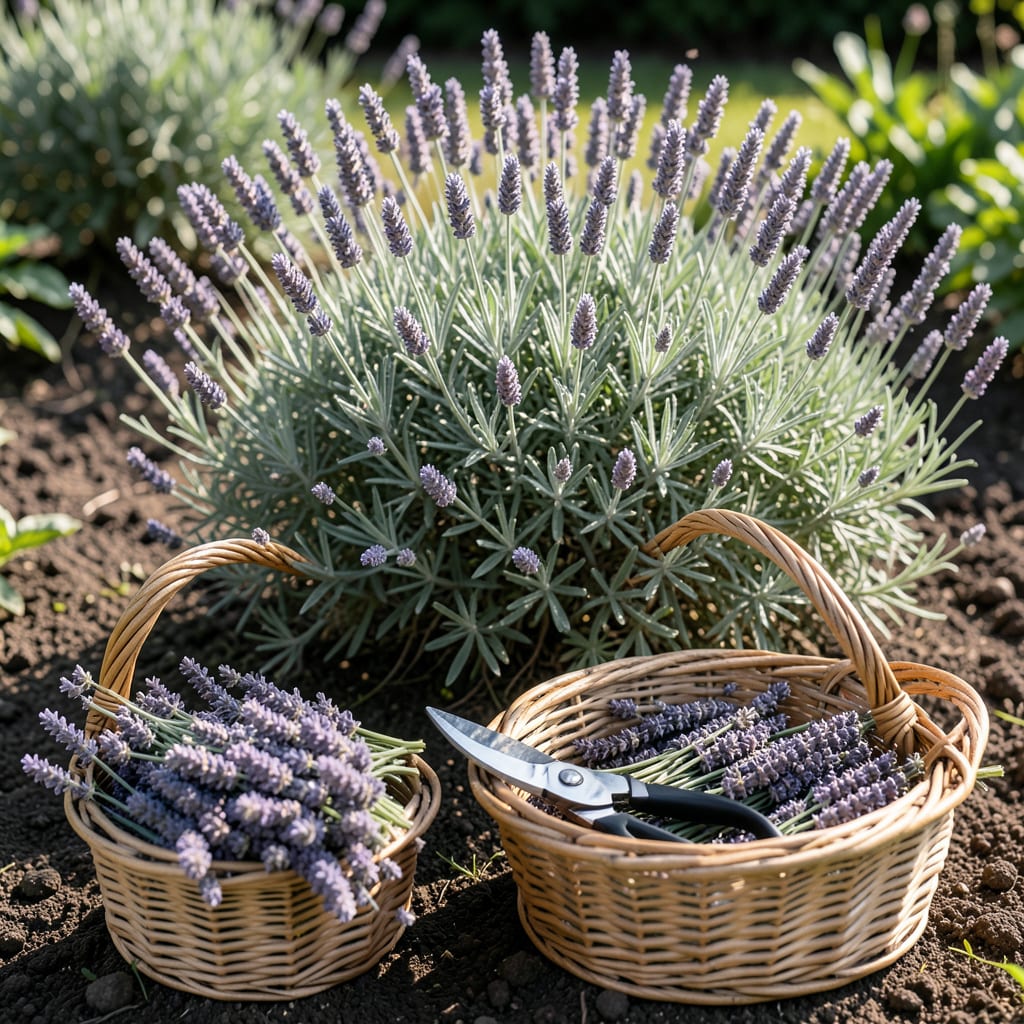
Nothing beats the strongest fragrance and vibrant color of freshly harvested 🌿 Lavender. But timing is everything—miss that perfect window, and you risk losing potency or ending up with dull blooms.
I’ll show you exactly when to pick for maximum essential oil content and how to spot the visual cues. Let’s make sure your harvest is always at its best.


Timing your lavender harvest perfectly ensures the strongest fragrance and highest essential oil content. The key is catching the blooms at just the right stage of maturity. 🌿
I’ve found that half-open buds offer the best balance between color retention and aroma concentration. Waiting too long risks losing potency, while harvesting too early means missed potential. ☀️
| Harvest Signal | Description |
|---|---|
| Bud Stage | Half of the flower buds are open |
| Fragrance | Strong lavender scent is noticeable |
| Stem Condition | Long, sturdy, and woody at base |
| Time of Day | Morning after dew evaporates |
For the best results, aim to harvest in the early morning once the dew has dried. This is when the oil concentration is at its peak before the heat of the day causes evaporation. ✂️
The ideal window typically falls between June and August, depending on your USDA zone and local climate. In cooler regions, this may shift slightly later in the season.
If you’re in zones 5-7, expect your lavender to be ready around mid-June. For warmer zones 8-9, the harvest often starts in early June and can extend into July. 🌡️
Watch for visual cues like vibrant color and firm stems. If the flowers are fully open, you’ve likely waited too long, and the essential oils will have begun to degrade.
Another tip: Test a few stems first. If they retain their color and fragrance after drying, you’ve hit the sweet spot. If not, adjust your timing for the next harvest batch. 🌸
Remember, lavender varieties like English lavender may mature slightly earlier than French or Spanish types. Always observe your specific plants closely for the best results.
Finally, consistency is key. Harvesting at the same stage each year ensures you get the most out of your plants, whether for drying, crafts, or essential oil extraction. 🌿
Harvesting lavender properly ensures your plants stay healthy and produce for years. I always use sharp pruning shears to make clean cuts, which prevents damage to the stems. ✂️
Start by selecting long stems with half-open buds. Cut just above a set of leaves, leaving at least 2-3 leaf nodes on the plant to encourage regrowth. 🌿
The ideal stem length for cutting is about 8-12 inches. This gives you enough for bundles while keeping the plant compact and productive. ☀️
Avoid harvesting in wet conditions as moisture can lead to mold during drying. I’ve learned that dry, sunny days produce the best results for both the plant and the harvest. 🌡️
After cutting, remove any lower leaves from the stems to prevent rot during drying. This small step makes a big difference in preserving your lavender’s quality. 🌸
Finally, give your plants a light trim after the main harvest to shape them. This encourages bushier growth and more blooms next season. Always clean your tools to prevent disease spread. 🌿
Even experienced gardeners can make common mistakes when harvesting lavender. One of the biggest errors is waiting until the flowers are fully open, which reduces essential oil content. 🌿
Another frequent misstep is harvesting in wet conditions. Moisture on the plants can lead to mold growth during drying, ruining your entire batch. Always wait for a dry, sunny morning after the dew has evaporated. ☀️
⚠️ Warning: Avoid these harvesting pitfalls to protect your lavender and preserve its quality.
Using dull pruning shears is another mistake that can harm your plants. Clean, sharp cuts help the plant heal faster and reduce the risk of disease. I always keep my tools sharp and sanitized. ✂️
Over-harvesting is also a problem. Taking too many stems at once can weaken the plant and reduce future blooms. Stick to removing no more than one-third of the plant at a time to maintain its health. 🌱
Finally, don’t skip the post-harvest care. Remove any lower leaves from the stems before drying to prevent rot. This small step ensures your lavender retains its color and fragrance for months. 🌸
Harvest in the early morning after dew evaporates but before heat sets in. This preserves peak essential oil levels before they dissipate.
If flower buds are still tightly closed or stems feel soft, wait. You need half-open buds and firm, woody stems for best results.
Yes! Avoid harvesting in wet conditions—wait for dry, sunny days. Moisture causes mold during drying and ruins the batch.
Fully open flowers have lower oil content, but you can still use them. Act fast and dry immediately to salvage fragrance and color.
