
Beautiful Plants For Your Interior
Beautiful Plants For Your Interior
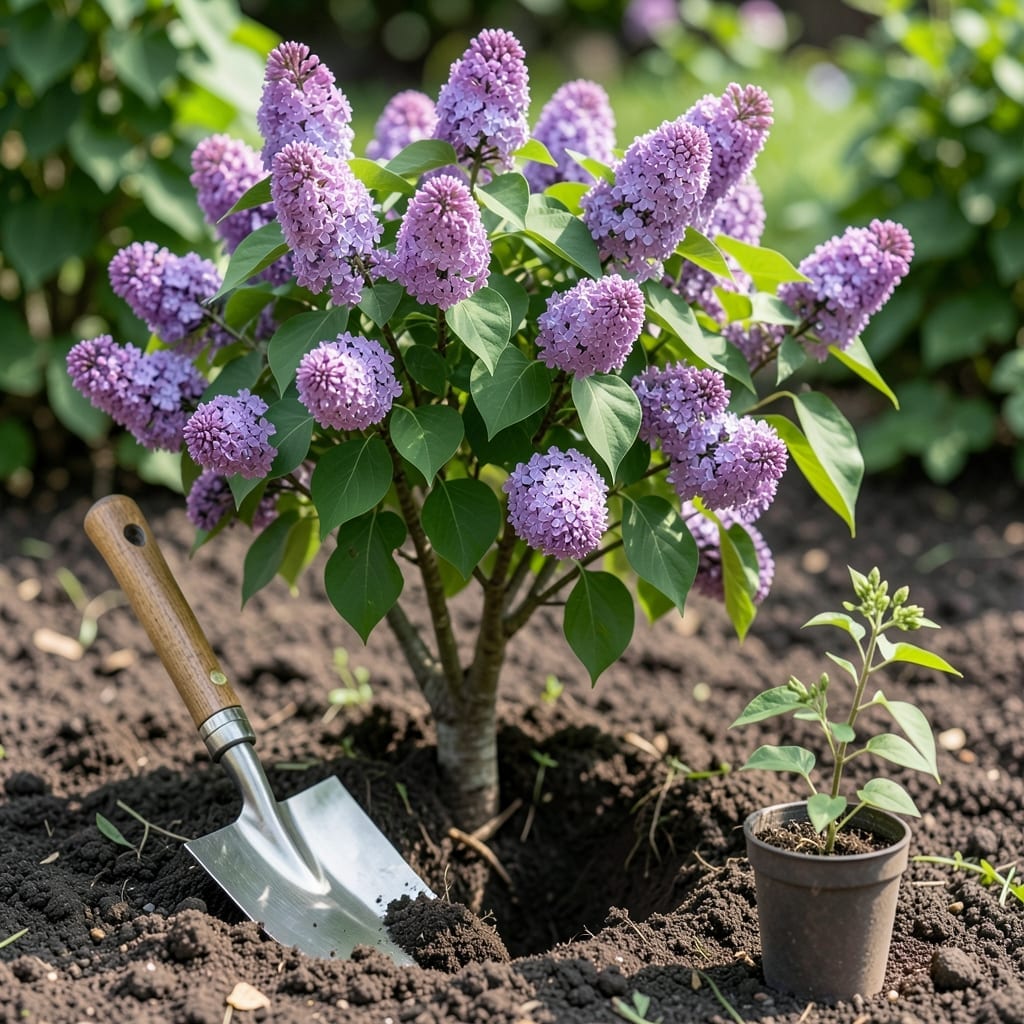
Lilacs thrive in full sun with well-drained, slightly alkaline soil. Plant them in a spot with at least 6 hours of sunlight daily and good air circulation to prevent disease.
I’ve found that choosing a north-facing slope or raised bed works wonders for drainage. The slight alkalinity, around pH 7.0, mimics their native Mediterranean conditions, boosting those fragrant blooms. Good airflow also keeps powdery mildew at bay, which I’ve seen ruin many a lilac bush in cramped spaces. 🌟
For spacing, give each shrub 8-10 feet of elbow room to grow into its full, lush form without competition.
💡 In This Article
Lilacs originate from rocky, alkaline hillsides in the Balkans, which explains their love for bright conditions. The 6+ hours of direct sunlight triggers photosynthesis at peak efficiency, fueling the energy needed for those iconic, fragrant blooms. Without sufficient light, the shrubs may produce sparse flowers or grow leggy as they stretch toward the sun.
Soil pH dramatically impacts nutrient availability. At pH 6.5-7.5, lilacs can access essential minerals like phosphorus, which promotes root development and flowering. Below pH 6.0, iron and manganese become too soluble, potentially causing toxicity. I’ve seen gardening lime (5-10 lbs per 100 sq ft) work wonders to adjust acidic soil. 🔥
The drainage requirement isn’t just about preventing root rot—it’s about oxygen. Waterlogged soil suffocates the roots, while well-drained ground allows for the gas exchange critical for growth. A simple test: Dig a 12-inch hole, fill with water, and if it drains within 30 minutes, you’re in the ideal range.
Air circulation ties directly to plant health. Stagnant air traps moisture on leaves, creating a paradise for fungal spores. Planting near a fence or wall? Leave at least 3-4 feet of space to ensure breeze can flow through the foliage. This mimics their natural habitat on open, breezy slopes. ✨
Morning sun is particularly valuable as it dries dew quickly, reducing disease pressure. In hotter climates, afternoon shade can prevent leaf scorch, but in most regions, full sun all day produces the most vibrant, abundant blooms with the strongest fragrance.
They require at least 6 hours of direct sunlight for optimal growth and flowering. Less than this can lead to sparse blooms and leggy growth.
A slightly alkaline soil with a pH of 6.5-7.5 is perfect. This range helps lilacs access essential nutrients for vibrant, healthy blooms.
Standard varieties need 8-10 feet of space, while dwarf types require 4-6 feet. Proper spacing prevents disease and promotes airflow.
No, walnut trees release juglone, a chemical that can stunt lilac growth. Keep them at least 50 feet apart for best results.
Dig a 12-inch hole and fill it with water. If it drains within 30 minutes, your soil has good drainage.