
Beautiful Plants For Your Interior
Beautiful Plants For Your Interior
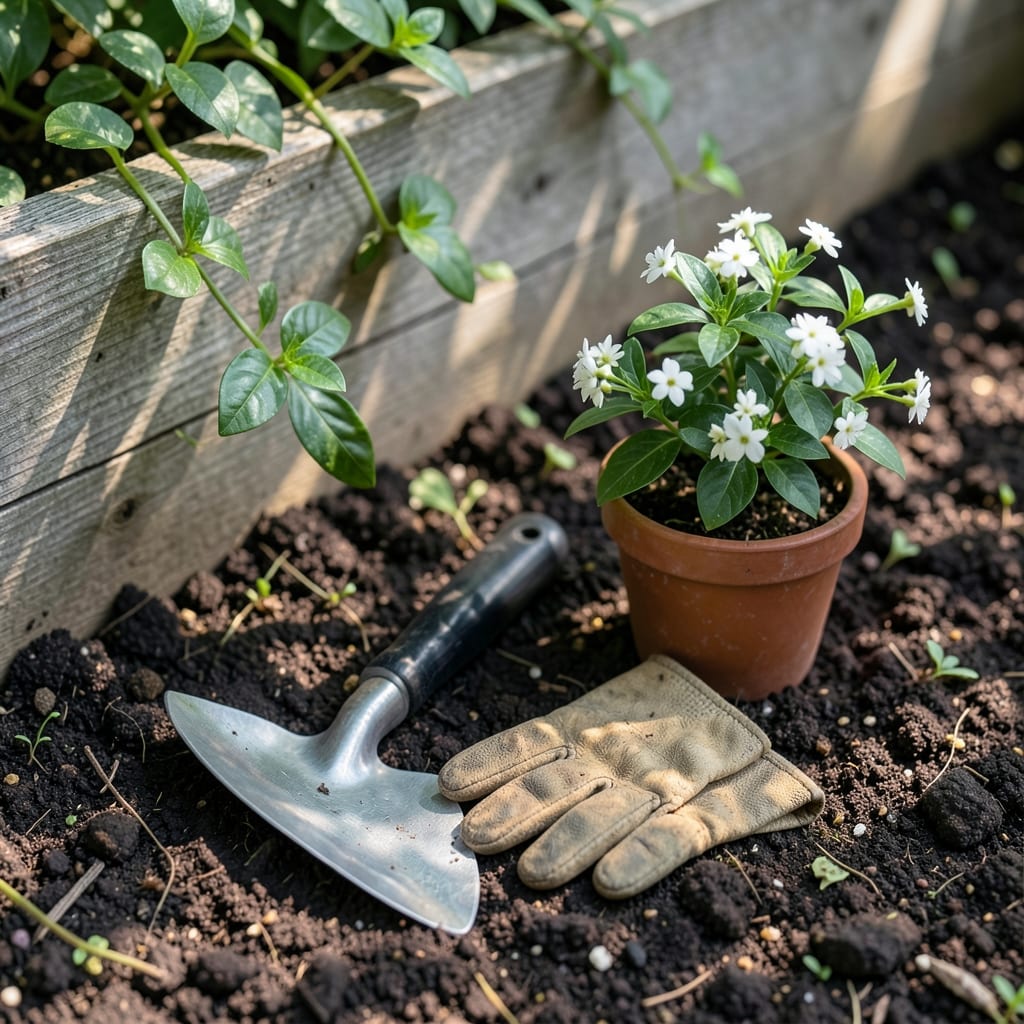
Jasmine thrives in well-draining soil with full sun to partial shade, ideally in a warm, sheltered spot. Morning sun and afternoon shade work best in hotter climates.
I’ve found that jasmine performs best when planted near a south-facing wall or fence, which provides both warmth and protection from harsh winds. 🌟 The key is ensuring the soil doesn’t retain excess moisture, as soggy roots can lead to rot. For optimal blooming, aim for slightly acidic to neutral soil with a pH of 6.0 to 7.5, and consider adding compost to boost fertility.
💡 In This Article
Jasmine’s light needs stem from its tropical origins, where intense sunlight fuels rapid growth. The plant requires 6-8 hours of daily light, but in extreme heat, harsh afternoon rays can scorch its delicate leaves. This is why dappled shade during the hottest part of the day preserves both foliage and flowers while still supporting photosynthesis.
The soil’s role is equally critical. Poor drainage suffocates jasmine’s roots, cutting off oxygen supply and leading to root rot. A loamy mix with perlite or sand creates the ideal texture, allowing water to flow through while retaining just enough moisture.
The pH range of 6.0-7.5 ensures nutrient availability, particularly for iron and phosphorus, which directly impact bloom quality and quantity. 🌟
What most gardeners overlook is how light and soil interact. In full sun, jasmine’s soil dries out faster, so a slightly richer organic mix helps maintain moisture. Conversely, in shadier spots, you’ll need to amending with compost to compensate for slower photosynthesis. This balance is what separates thriving plants from struggling ones.
Temperature also ties into these requirements. Jasmine’s ideal range of 60-75°F means that in cooler climates, a south-facing wall can provide the extra warmth needed. The wall’s reflected heat mimics the plant’s native conditions, while the structure itself offers wind protection that prevents moisture loss from the soil.
For container gardeners, these principles still apply. Use pots with drainage holes and a well-draining potting mix. The container’s mobility lets you adjust light exposure seasonally—full sun in spring, partial shade in summer’s peak. This adaptability is why jasmine thrives equally well in ground beds and patios. ✨
Jasmine thrives with 6-8 hours of sunlight each day. In hotter climates, morning sun with afternoon shade prevents leaf scorch while supporting healthy growth.
Use well-draining, loamy soil with a pH of 6.0-7.5. Adding perlite or sand improves drainage, while compost boosts fertility for vibrant blooms.
Yes! Choose pots at least 12 inches deep with drainage holes. Containers allow you to move plants for optimal light exposure throughout the year.
Space climbing varieties 3-5 feet apart and ground-cover types 2-3 feet apart. Proper spacing ensures good air circulation and reduces disease risk.