
Beautiful Plants For Your Interior
Beautiful Plants For Your Interior
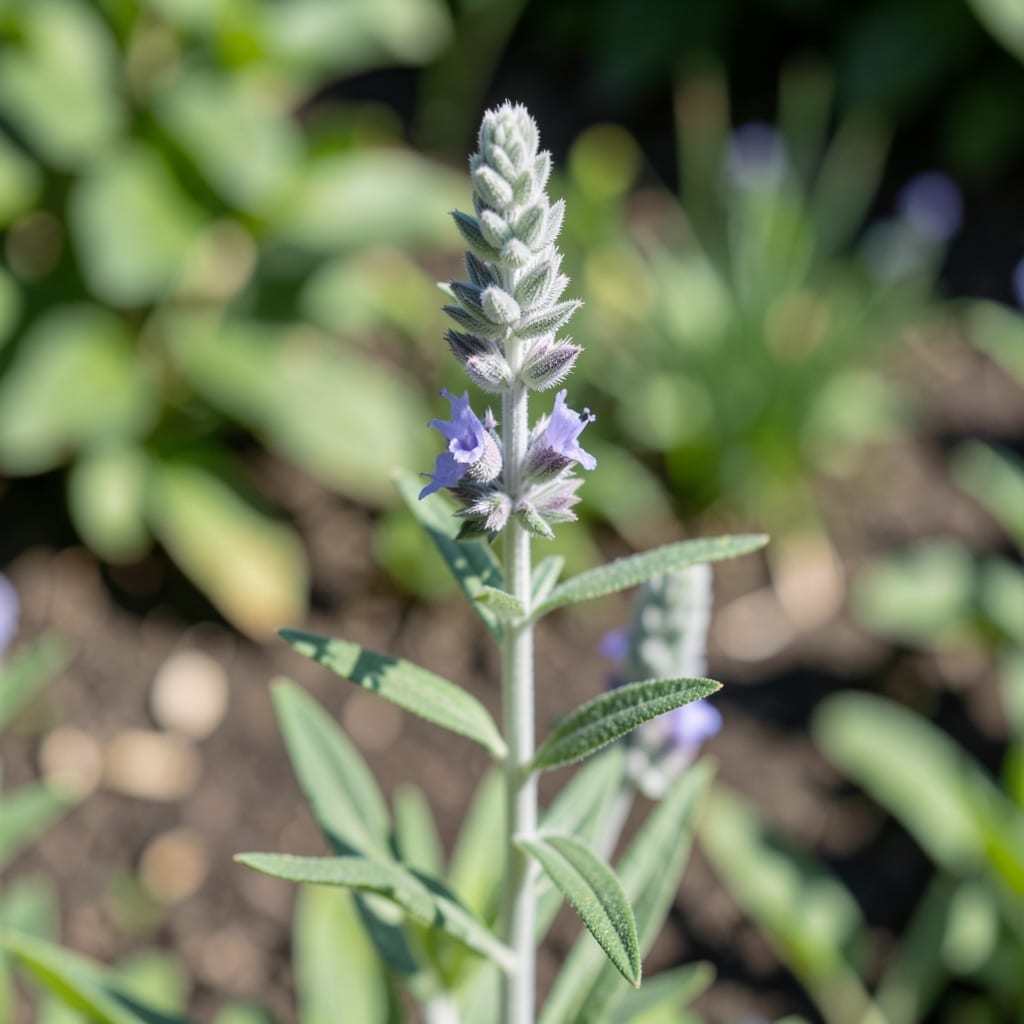
The most effective deer-resistant flowers include daffodils, lavender, marigolds, and Russian sage, which deer avoid due to strong fragrances, toxic compounds, or fuzzy textures.
I’ve tested countless varieties in my own garden, and these stand out because they leverage nature’s built-in defenses. Deer dislike strong scents like lavender’s aromatic oils or the bitter alkaloids in daffodils. 🔥 Even the fuzzy leaves of Russian sage deter them from taking a bite.
What’s great is how these flowers thrive in different conditions, so you can mix and match based on your climate and soil type. ✨
💡 In This Article
Deer rely heavily on their sense of smell, which is about 1,000 times more sensitive than a human’s. Flowers like lavender emit strong aromatic compounds such as linalool and camphor that overload their olfactory receptors, making the plants unappealing. This is why deer often bypass entire garden sections filled with fragrant herbs and blooms. 🌸
Toxicity is another major deterrent. Daffodils contain lycorine and other alkaloids that cause severe digestive distress in deer. When ingested, these compounds trigger nausea, vomiting, and diarrhea—experiences deer quickly learn to avoid. Even a single bad encounter can teach them to steer clear of similar-looking plants. ✨
Texture plays a surprising role too. Plants like Russian sage and lamb’s ear have tiny, dense hairs on their leaves and stems. These fuzzy surfaces create an unpleasant mouthfeel that deer dislike, similar to how humans avoid eating hairy fruits. The physical irritation is often enough to make them move on to smoother, easier-to-eat vegetation.
💫
Deer also have taste preferences shaped by evolution. Bitter compounds in marigolds, such as pyrethrins, act as natural repellents. These chemicals disrupt the deer’s taste buds, sending signals that the plant may be harmful. Over time, deer associate these flavors with danger and avoid them entirely. 🔥
Interestingly, deer behavior varies by region. In areas with high deer populations, they may become less picky out of necessity. However, even in these cases, they tend to avoid plants with multiple deterrents—like those combining strong scents, toxicity, and unappealing textures—making such varieties the most reliable choices for gardeners. 🌟
Most deer-resistant varieties adapt well, but always check your USDA zone. Lavender thrives in zones 5-9, while bleeding heart prefers cooler areas in zones 3-9.
The tiny hairs create an unpleasant texture in their mouths. This physical irritation makes them avoid similar plants, even if they’re not toxic.
Young plants benefit from temporary protection. Once established, their natural defenses usually suffice. Avoid harsh chemicals near edible gardens.
Interplanting with catmint or salvia creates a scent barrier. This strategy helps protect less resistant varieties nearby.