
Beautiful Plants For Your Interior
Beautiful Plants For Your Interior
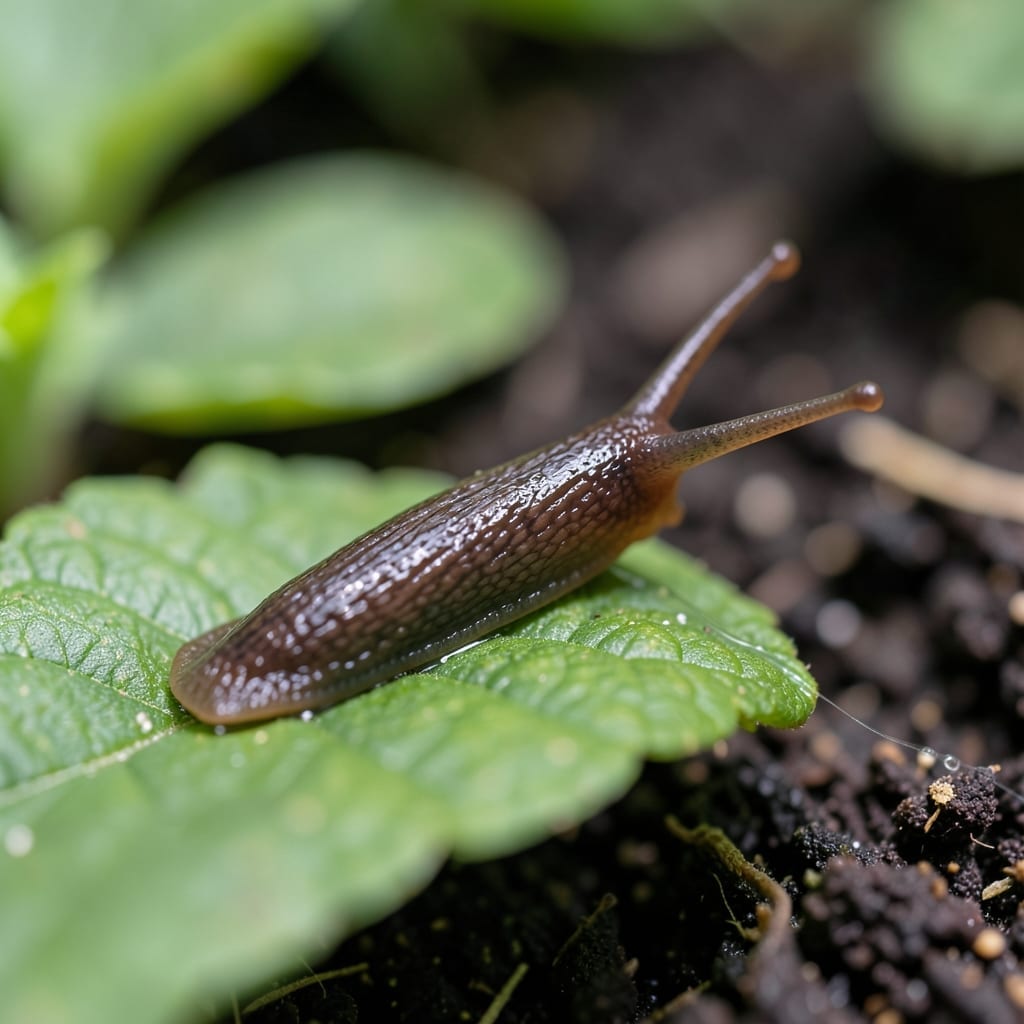
Slugs act as nature’s recyclers, consuming dead plant material at an impressive rate. A single slug can process up to 40 times its body weight in organic matter annually, breaking down tough cellulose fibers that other decomposers struggle with. Their digestive enzymes accelerate decomposition, transforming fallen leaves into nutrient-rich humus within weeks rather than months.
🔥
As they move through soil, slugs create micro-channels that dramatically improve aeration. These tiny tunnels allow water to penetrate 30-50% deeper into compacted earth, while their slime trails contain nitrogen-rich compounds that act as natural fertilizers. Studies show gardens with healthy slug populations have soil with 15-20% higher organic content than those without. ✨
Their waste, called frass, is particularly valuable. Unlike earthworm castings, slug frass contains high levels of ammonia and uric acid that plants can immediately absorb. This means a 1-square-meter area with active slugs receives the equivalent of 2-3 pounds of organic fertilizer annually—completely free of charge. The process also helps neutralize acidic soils naturally. 💫
What’s more fascinating is their role in mycorrhizal networks. Slugs help distribute fungal spores that form symbiotic relationships with plant roots, increasing nutrient uptake efficiency by up to 40%. This underground partnership explains why gardens with balanced slug populations often show more vigorous plant growth than those where slugs have been completely eradicated. ⚡
Their movement patterns also prevent soil compaction. By burrowing just below the surface (typically 2-4 inches deep), they loosen the topsoil layer where most plant roots grow. This is particularly beneficial in clay-heavy soils where drainage is poor, as the slug-created pores allow roots to access both air and water more effectively. 🌟
Yes! Slugs accelerate compost decomposition by breaking down tough plant material. Their digestive enzymes process cellulose fibers quickly, turning garden waste into rich humus in weeks rather than months.
They create micro-channels as they move, improving aeration and water penetration by 30-50%. Their slime trails also add nitrogen-rich compounds that act as natural fertilizers, enhancing soil quality over time.
They’re a vital food source for birds, frogs, beetles, and hedgehogs. A balanced slug population supports these predators, maintaining a healthy garden ecosystem.
While slugs offer benefits, too many can damage young plants. Monitor populations and use natural barriers like copper tape or crushed eggshells to protect vulnerable crops.