
Beautiful Plants For Your Interior
Beautiful Plants For Your Interior
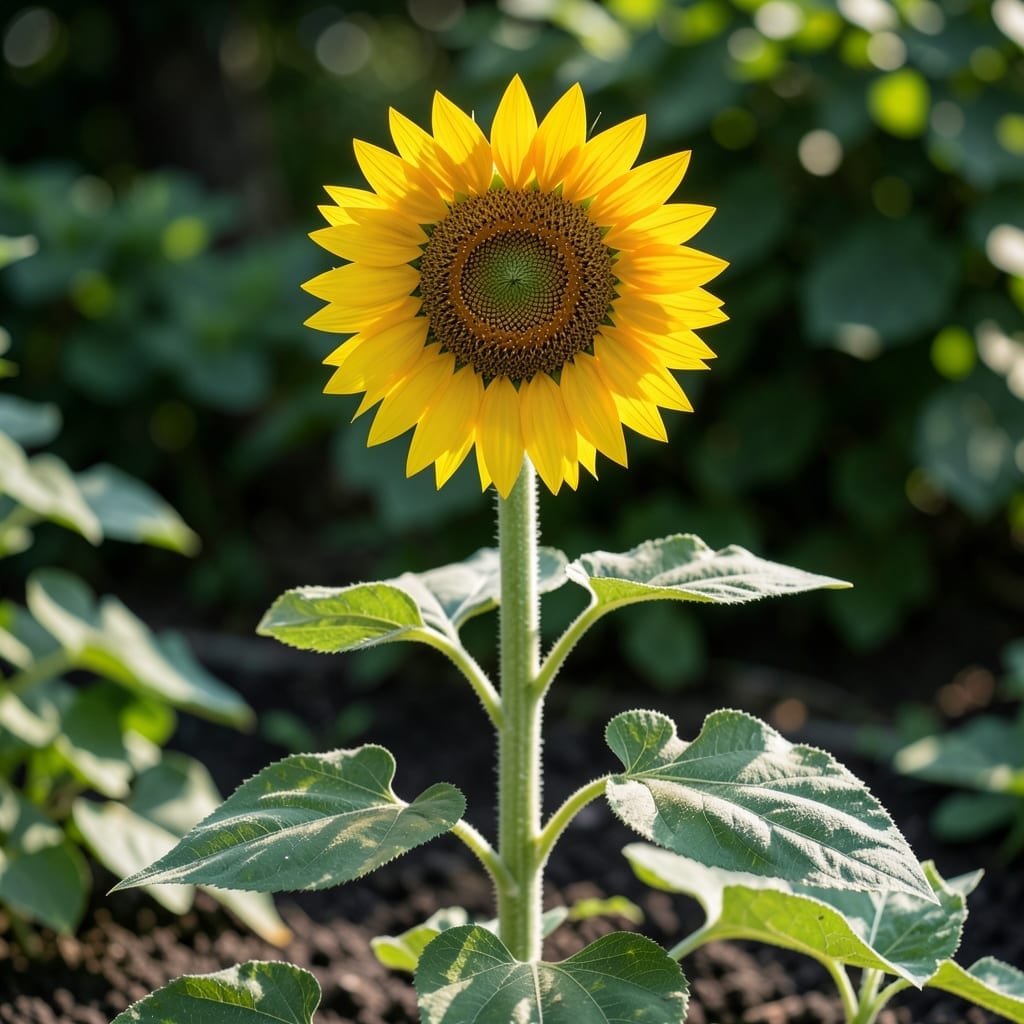
Sunflowers act as nature’s soil cleaners through phytoremediation. Their deep taproots, which can extend 6-12 feet into the earth, absorb heavy metals like lead and arsenic from contaminated soil. This process, called phytoextraction, concentrates toxins in the plant tissue, which can then be safely removed from the garden. 🌟
They also release natural chemicals that suppress weeds. This allelopathic effect inhibits the growth of competing plants nearby, particularly invasive species. Their dense canopy blocks sunlight, further preventing weed germination while their roots stabilize soil to prevent erosion during heavy rains. ✨
Sunflower blooms are nectar powerhouses, producing up to 1,000 seeds per head and offering abundant pollen. This attracts 40+ pollinator species, including bees, butterflies, and hummingbirds. The flat, open-faced varieties provide easy access for these beneficial insects, boosting garden biodiversity. 💫
Their sturdy stems create microclimates that benefit companion plants. The shade they cast can reduce soil temperature by 5-10°F, conserving moisture for neighboring crops. Sunflowers also act as trap crops, luring pests like aphids away from more vulnerable garden plants. 🔥
Their root systems improve soil structure by breaking up compacted earth, increasing water infiltration by up to 30%. As they decompose, sunflower residues add organic matter that enhances soil fertility for subsequent plantings.
Sunflowers act as trap crops, luring pests like aphids away from more vulnerable plants. Their sturdy stems also create microclimates that deter many garden pests naturally.
Yes! Their deep roots break up compacted soil and remove heavy metals through phytoremediation. As they decompose, they add organic matter that boosts fertility for future plantings.
Plant seeds directly outdoors 2-3 weeks after your last frost date when soil has warmed to at least 55°F. This ensures optimal germination and growth.
Spacing depends on the variety. Dwarf types need 6 inches apart, while giant varieties require up to 18 inches. Always check seed packet guidelines for your specific type.
Dwarf varieties like Teddy Bear thrive in large containers with well-draining soil. Just ensure they get full sun and consistent watering.