
Beautiful Plants For Your Interior
Beautiful Plants For Your Interior
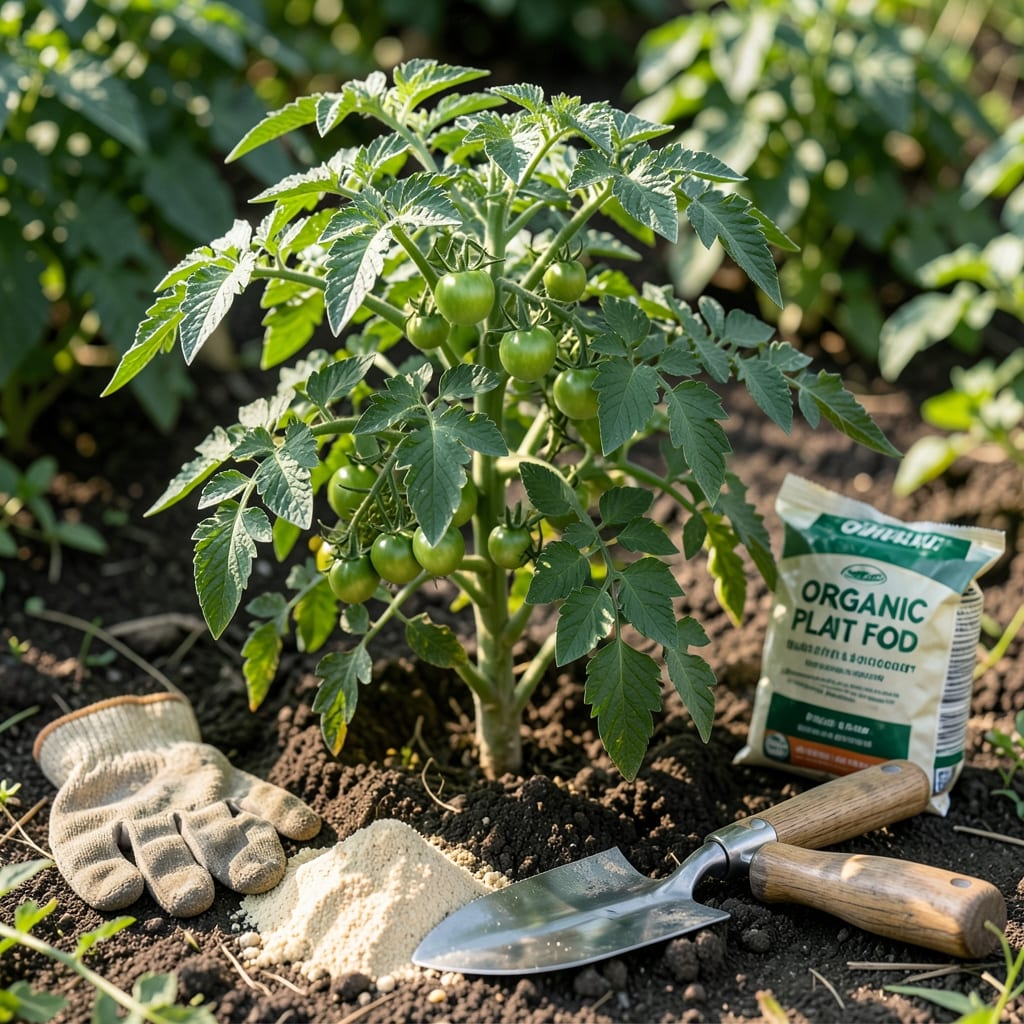
Plants that thrive in alkaline soil benefit most from lime, including brassicas like cabbage and broccoli, legumes such as peas and beans, and leafy greens like spinach and lettuce.
I’ve found that plants needing higher pH levels often struggle in acidic soil because they can’t access essential nutrients like calcium and magnesium. Lime sweetens the soil, unlocking these minerals for better growth. Many gardeners overlook how pH balance directly impacts plant health and yield. 🔥
In my experience, testing soil before applying lime prevents overcorrection, which can be just as harmful as deficiency.
💡 In This Article
Soil pH directly affects nutrient solubility. At lower pH levels (acidic), essential minerals like calcium, magnesium, and phosphorus become chemically locked away from plant roots. Lime, primarily calcium carbonate, neutralizes acidity by releasing calcium ions that replace hydrogen ions on soil particles. This shifts the pH upward, typically by 0.5-1.0 units per application. 🔥
Plants like cabbage and broccoli need pH between 6.5-7.5 to prevent clubroot disease, a condition that thrives in acidic soils. Spinach and lettuce show stunted growth when pH drops below 6.0, as their root systems struggle to absorb iron and manganese.
The chemical reaction occurs as lime dissolves, releasing carbonate ions that buffer the soil solution.
Legumes like peas and beans have a symbiotic relationship with nitrogen-fixing bacteria. These microbes require a neutral to slightly alkaline environment (pH 6.0-7.0) to effectively convert atmospheric nitrogen into plant-usable forms. Without proper pH, the bacteria become inactive, reducing the plant’s ability to produce its own fertilizer. ✨
The process isn’t instant. Lime takes 2-3 months to fully react with soil, so timing matters. Fall application allows winter rains to work the lime into the soil profile before spring planting. The finer the lime particles, the faster they react—pelletized lime acts in 1-2 months while agricultural lime may take 6+ months. 💫
Remember that soil texture affects lime requirements. Sandy soils need less lime to change pH than clay soils, which have more buffering capacity. A soil test revealing pH 5.5 might require 50-100 lbs of lime per 1,000 sq ft, while the same pH in clay could need 150-200 lbs.
This explains why gardeners see varying results with identical lime applications.
Test your soil every 2-3 years to check pH levels. Lime isn’t needed annually unless your soil is naturally very acidic. Most gardens require lime only when pH drops below 5.5-6.0.
No, avoid lime near blueberries, azaleas, or rhododendrons. These plants need acidic soil (pH 4.5-5.5). Lime will harm them by making soil too alkaline. Use sulfur instead to lower pH if needed.
Calcitic lime is pure calcium carbonate, while dolomitic contains added magnesium. Use dolomitic if your soil test shows magnesium deficiency. Both raise pH, but dolomitic provides extra nutrients for plants.
Pelletized lime acts in 1-2 months, while agricultural lime may take 6+ months. For fastest results, apply in fall so winter weather helps it dissolve before spring planting.