
Beautiful Plants For Your Interior
Beautiful Plants For Your Interior
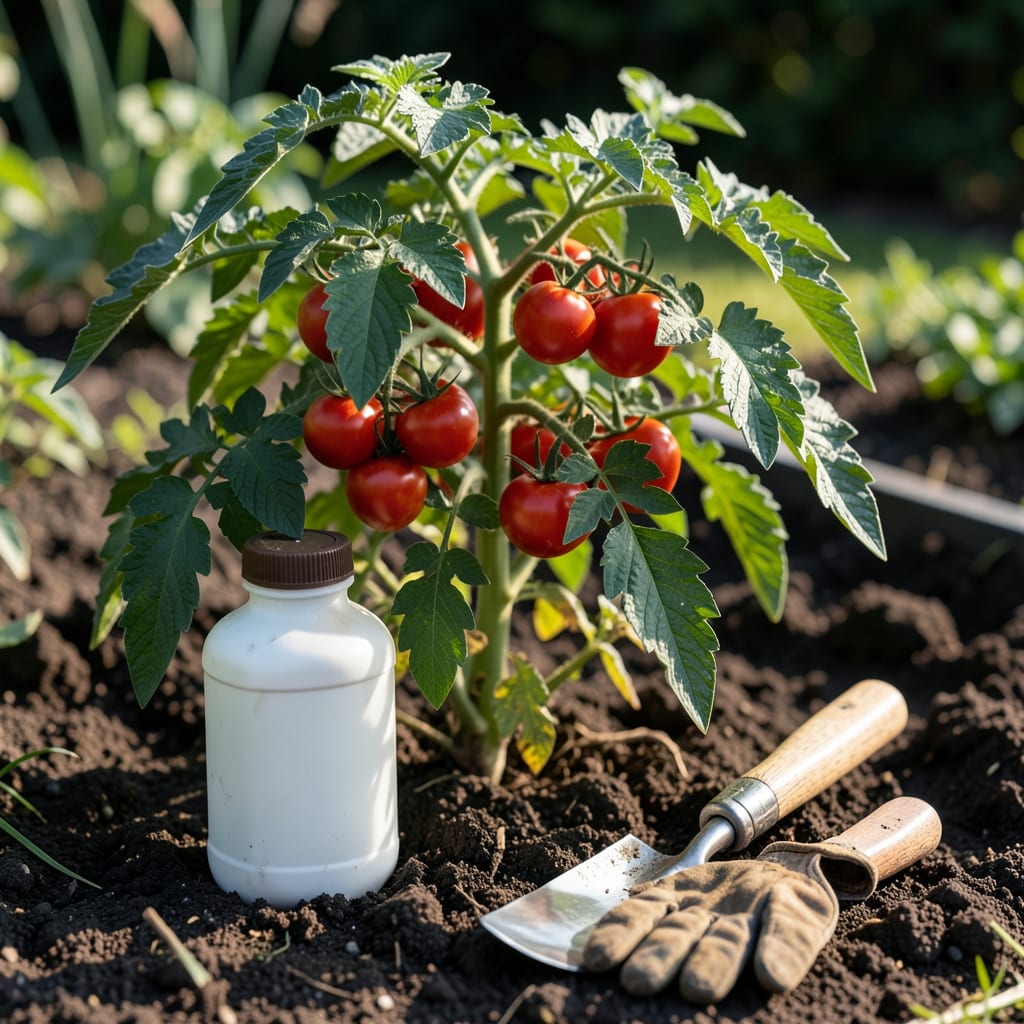
Fish fertilizer provides a rich source of nitrogen, phosphorus, and micronutrients that promote healthy plant growth, improve soil structure, and boost root development naturally.
I love how fish fertilizer acts as a gentle yet powerful soil amendment. It feeds beneficial microbes that break down organic matter, releasing nutrients directly to plant roots. 🔥 This process also improves water retention and aeration, which is especially helpful for sandy or clay-heavy soils. Many gardeners see noticeable improvements in leaf vibrancy and fruit production within just a few weeks of regular use.
💡 In This Article
Fish fertilizer packs a 5-1-1 N-P-K ratio on average, meaning it’s high in nitrogen for lush foliage. The nitrogen exists as amino acids and peptides, which plants absorb directly without conversion. This organic form is 90% bioavailable, unlike synthetic urea that requires soil microbes to break it down first. 🔥
Phosphorus in fish fertilizer comes from bones and scales, providing 2-3% P₂O₅ that stimulates root growth. Micronutrients like calcium, magnesium, and iron appear in chelated forms—naturally bound to amino acids—so they remain soluble in soil pH ranges from 5.5 to 8.0. This prevents nutrient lockout common with synthetic minerals. ✨
The real magic happens in the soil. Fish hydrolysate contains 12+ amino acids that feed beneficial microbes, creating a thriving rhizosphere. These microbes then produce enzymes that further unlock nutrients in the soil, making even trace elements more accessible to plant roots. 💫
What most gardeners notice first is the rapid response: leafy vegetables often show greener growth within 48-72 hours of application. This speed comes from the fertilizer’s small molecular size—amino acids can enter plant cells directly through leaf surfaces when used as foliar spray. 🌟
Unlike salt-based synthetic fertilizers that can disrupt soil structure, fish emulsion improves soil aggregation. The organic matter acts as a glue, binding soil particles into stable aggregates that improve water retention and aeration. This is why gardens treated with fish fertilizer often need 20-30% less water over time. ⚡
Most gardeners notice greener, more vibrant foliage within 48-72 hours of application. Leafy vegetables often respond fastest, while flowering plants may take 1-2 weeks to show visible improvements.
Yes, it works well for most plants, from vegetables to flowers and even houseplants. However, use half-strength solutions for sensitive plants like ferns or succulents to avoid nitrogen burn.
Liquid fish fertilizer has a strong fishy odor, but it dissipates within 24-48 hours after application. Some brands offer deodorized versions if the smell is a concern.
For most plants, apply every 2-3 weeks during active growth. Reduce to monthly during dormant periods. Always follow label instructions for specific plants.
Properly diluted and applied fertilizer won’t attract pests. However, spills or overuse can draw flies or rodents. Always clean up any spills immediately.