
Beautiful Plants For Your Interior
Beautiful Plants For Your Interior
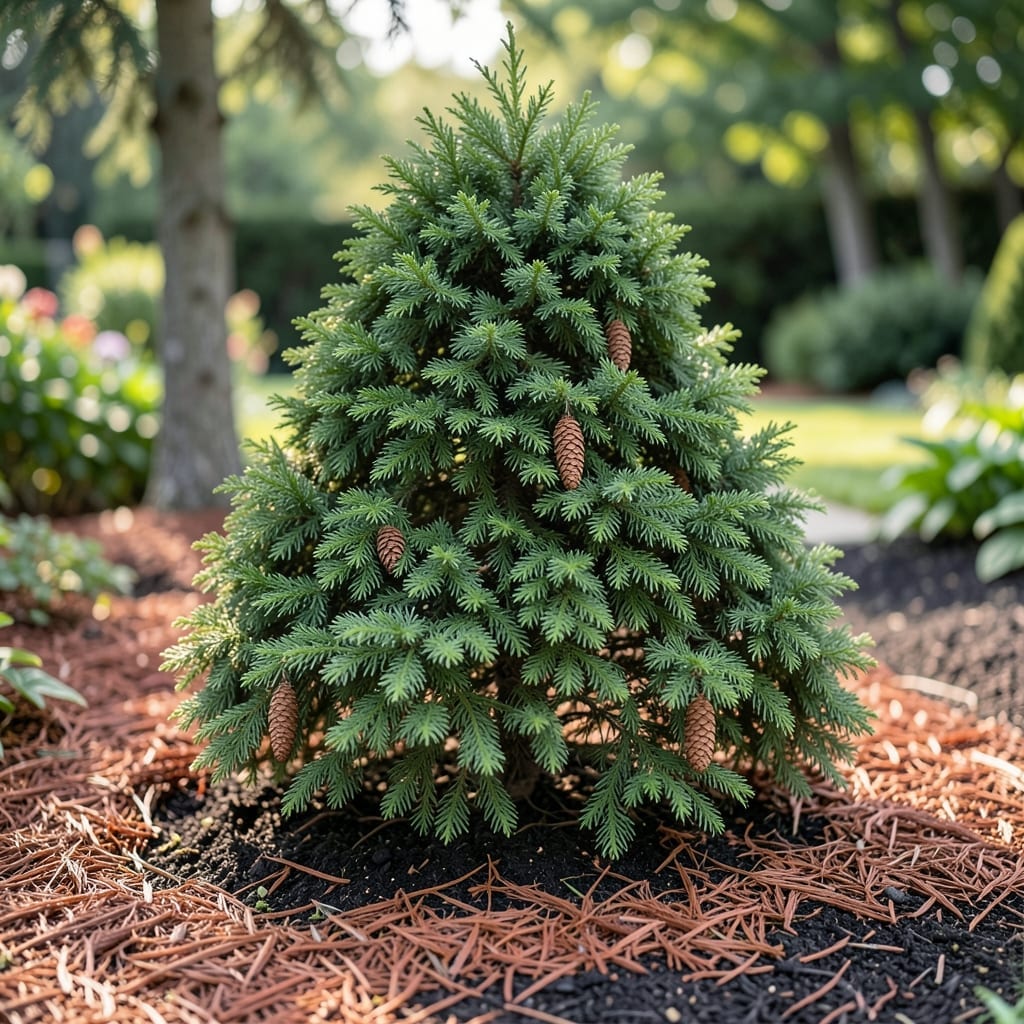
Cedar mulch naturally repels pests with its aromatic oils, retains soil moisture, regulates temperature, and gradually enriches the soil as it decomposes while suppressing weeds.
The aromatic compounds in cedar act as a gentle barrier against insects like ants and termites, while its dense texture blocks sunlight to prevent weed growth. 🔥 I love how it creates a protective layer that keeps roots cool in summer and insulated in winter. Plus, as it breaks down, it adds organic matter that improves soil structure over time.
💡 In This Article
The secret lies in cedar’s natural thujone and cedrol compounds. These aromatic oils create an invisible barrier that disrupts the pheromone trails of ants and deters soft-bodied insects like slugs. The concentration is strong enough to repel but won’t harm beneficial pollinators like bees.
This natural pest control works for 2-3 years as the oils slowly release into the environment.
Cedar mulch acts like a moisture-regulating blanket for your soil. Its dense, interlocking fibers form a layer that reduces evaporation by up to 50%. This means you can water 25-30% less frequently while maintaining optimal soil hydration. The mulch also prevents soil compaction from heavy rains by absorbing impact, keeping the earth loose and aerated.
Temperature regulation happens through cedar’s excellent insulating properties. In summer, it keeps soil 10-15°F cooler than bare ground, protecting shallow roots from heat stress. Winter brings the opposite effect – the same mulch layer maintains soil temperatures 5-10°F warmer, extending the growing season for cold-sensitive plants. 🔥
The decomposition process is where cedar truly shines. As it breaks down over 3-5 years, it releases small amounts of nitrogen, potassium, and micronutrients. Unlike some mulches that deplete nitrogen during decomposition, cedar has a balanced carbon-to-nitrogen ratio that actually enriches the soil. The resulting humus improves soil structure and water retention capacity.
Weed suppression works through multiple mechanisms. The thick layer blocks sunlight, preventing weed seeds from germinating. Cedar’s natural oils also have mild herbicidal properties that inhibit weed growth. Studies show cedar mulch can reduce weed emergence by 85-90% when applied at the correct depth of 3-4 inches. ✨
Cedar mulch typically lasts 3-5 years before fully decomposing. Its natural oils maintain pest-repelling effectiveness for about 2-3 years. You’ll want to refresh the top layer annually for best results.
No, cedar actually repels termites due to its natural oils. These aromatic compounds disrupt their ability to track food sources. It’s one of the few mulches that deters rather than attracts wood-boring insects.
It works well for most plants but avoid using it with seedlings. The strong oils might inhibit their delicate growth. Cedar is especially good for acid-loving plants like blueberries and azaleas.
It has a mild acidifying effect over time, which benefits acid-loving plants. The change is gradual and typically lowers pH by 0.5-1.0 units over a year. Test soil if concerned about sensitive plants.