
Beautiful Plants For Your Interior
Beautiful Plants For Your Interior
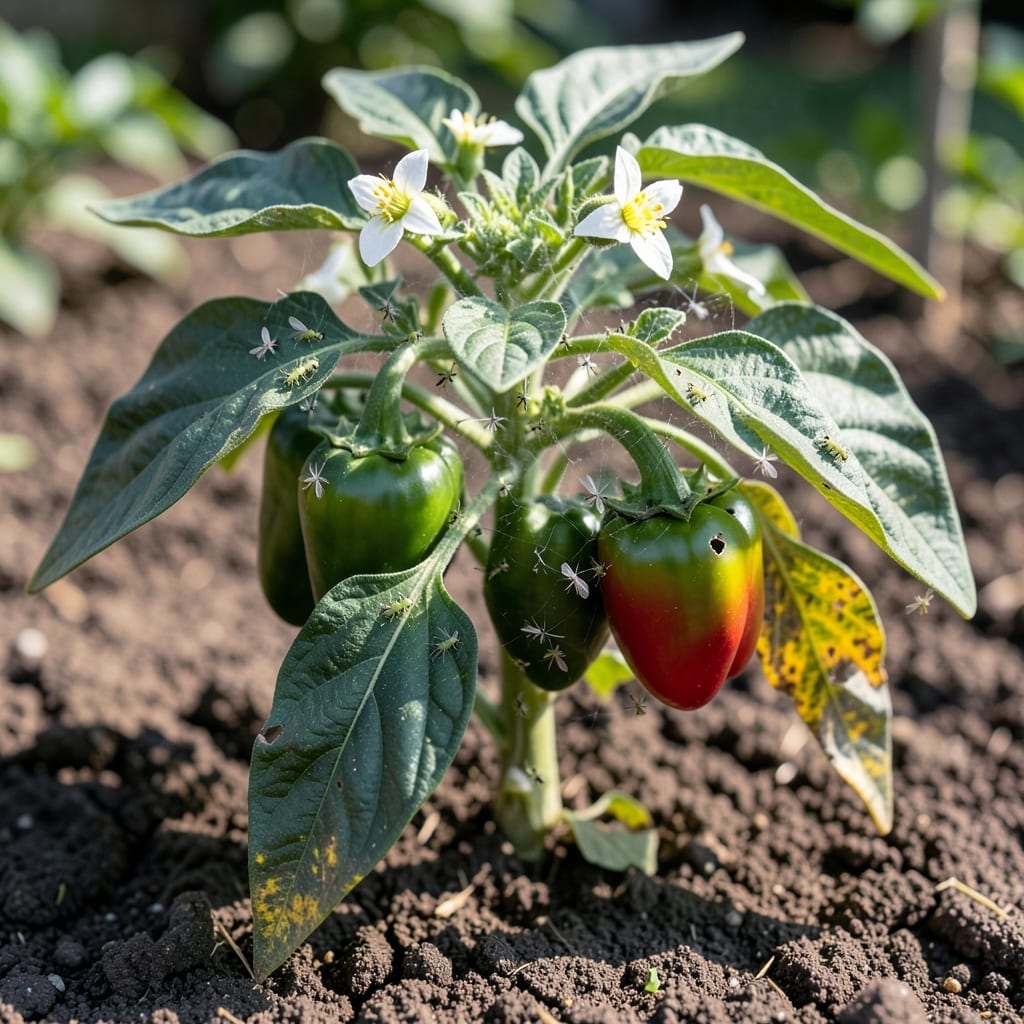
Nothing ruins a pepper harvest faster than unseen invaders. One day your plants look healthy, the next they’re covered in tiny holes or sticky residue.
I’ve lost entire crops to aphids and spider mites before learning their telltale signs. Early detection is everything—yellowing leaves, distorted growth, or webbing under foliage means it’s time to act.
Organic options like neem oil or insecticidal soap work if you catch them early. For stubborn infestations, targeted chemical treatments can save the season.
Prevention starts with healthy soil, proper spacing, and regular inspections. Your peppers can bounce back stronger with the right approach.
Bell pepper plants attract pests due to a combination of environmental, biological, and cultural factors. Understanding these root causes helps you prevent and manage infestations more effectively. Below are the primary reasons why pests target your plants. Addressing these can significantly reduce their vulnerability.
Stressed or weakened plants are a magnet for pests. Nutrient deficiencies, improper watering (over- or under-watering), or poor soil conditions compromise a plant’s natural defenses. For example, aphids thrive on plants lacking nitrogen or potassium, while spider mites prefer drought-stressed foliage. Strengthening plant health through balanced fertilization and consistent moisture levels makes them less appealing to invaders.
Warm, dry climates accelerate pest reproduction cycles. Bell peppers grown in high temperatures (above 85°F) with low humidity are especially prone to spider mites and whiteflies. Conversely, overly humid or wet conditions encourage fungal growth, which attracts pests like thrips and slugs. Monitoring microclimates and using shade cloth or mulch can mitigate these risks.
Gardens with limited biodiversity often lack beneficial insects that prey on pests. Ladybugs, lacewings, and parasitic wasps naturally control aphid and caterpillar populations. Overusing broad-spectrum pesticides can kill these allies, creating a vacuum that pests quickly fill. Introducing companion plants (like marigolds or basil) or reducing chemical interventions can restore this balance.
Debris, fallen leaves, and weeds provide hiding spots and breeding grounds for pests. Cutworms and earwigs thrive in mulch or decaying plant matter, while hornworms lay eggs on nearby weeds. Regularly clearing garden waste and rotating crops disrupts pest lifecycles, reducing their ability to establish colonies.
Dealing with pests on your bell pepper plants can feel overwhelming, but these targeted solutions will help you reclaim your garden. Below, find clear steps to address each common pest, paired with prevention tips to keep them from returning.
Use a strong stream of water to knock aphids off your plants. For stubborn infestations, spray with insecticidal soap or neem oil, focusing on the undersides of leaves where they hide. Prevention tip: 💡 Introduce ladybugs or lacewings, their natural predators, to your garden.
Spider mites thrive in dry conditions, so mist your plants regularly to increase humidity. Apply horticultural oil to smother them, or use a miticide for severe cases. Prevention tip: 🌡️ Keep plants well-watered and avoid over-fertilizing, which can attract mites.
Prune and destroy infested fruits immediately to prevent the maggots from spreading. Set up yellow sticky traps to catch adult flies before they lay eggs. Prevention tip: ✨ Rotate crops yearly and use row covers to block access to plants.
Create a copper tape barrier around plant bases or use beer traps to lure and drown them. Handpick slugs in the evening when they’re most active. Prevention tip: 🎯 Keep your garden free of debris and water in the morning so surfaces dry by nightfall.
Use a handheld vacuum to suck up adult whiteflies in the early morning when they’re sluggish. Follow up with yellow sticky traps or insecticidal soap. Prevention tip: 🌿 Plant companion herbs like basil or marigolds, which repel whiteflies naturally.
Look for yellowing leaves, holes in foliage, or sticky residue on stems. Tiny webbing under leaves often signals spider mites.
Yes! A mix of 1 teaspoon dish soap and 1 quart water works well for aphids. Always test on a small area first.
Check under leaves and stems 2-3 times weekly during warm months. Early morning is ideal for spotting pests.
They might if eggs remain. Reapply treatments every 5-7 days and remove fallen leaves/debris.