
Beautiful Plants For Your Interior
Beautiful Plants For Your Interior
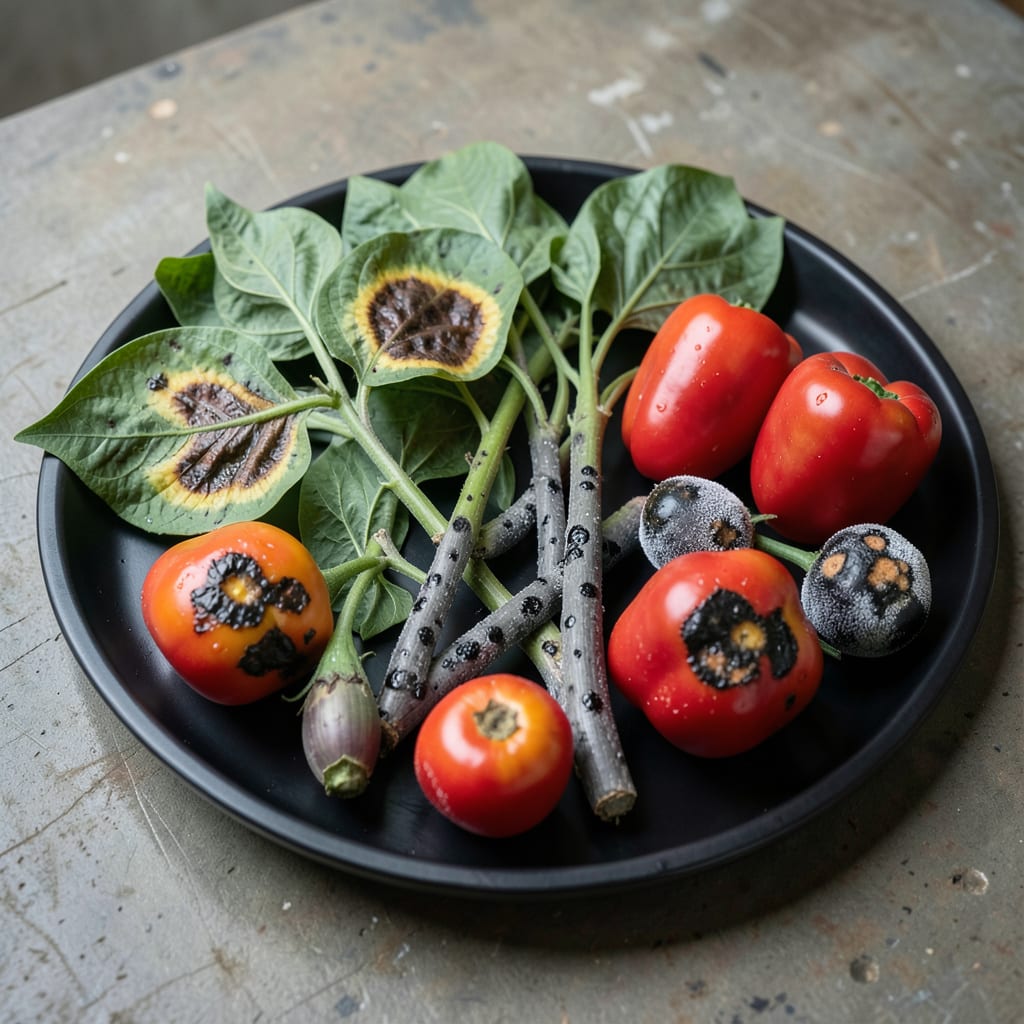
I lost half my bell pepper crop to disease last summer. 🌱 This year, I’m sharing how to spot trouble early—before it spreads to the whole garden.
The usual suspects are fungal spots, bacterial rot, and wilting from the soil up. Each shows up differently: black lesions, yellow halos, or sudden drooping. Catching them fast means saving more plants.
Treatment starts with removal—infected leaves or entire plants go straight to the trash, not the compost. Then, a copper fungicide or neem oil spray stops the rest.
Prevention is simpler than cure: rotate crops, space plants for airflow, and water at the base. Healthy soil and good circulation keep most problems at bay.
Bell pepper plants are vulnerable to diseases due to a mix of environmental, biological, and cultural factors. Understanding these triggers helps prevent outbreaks and keeps your crop healthy.
Extreme temperatures, excessive moisture, or poor airflow create ideal conditions for pathogens. High humidity (above 85%) and warm temperatures (75–85°F) accelerate fungal growth, like Phytophthora blight. Drought stress weakens plants, making them more susceptible to infections.
Soil-borne fungi (Fusarium, Verticillium), bacteria (Xanthomonas), and viruses (e.g., Tobacco Mosaic Virus) thrive in contaminated soil or infected plant debris. These pathogens spread through water, tools, or insects, attacking leaves, stems, and fruit.
Overcrowding, lack of crop rotation, and improper sanitation invite disease. Reusing infected soil or failing to remove diseased plants allows pathogens to persist. Overhead watering wets foliage, encouraging fungal spores to germinate.
Deficiencies in calcium or potassium reduce plant resilience. Excess nitrogen promotes lush, soft growth—perfect for pests and diseases like Bacterial Spot. A balanced fertilizer regimen strengthens natural defenses.
Dealing with bell pepper plant diseases doesn’t have to be overwhelming. Below are practical, step-by-step solutions for the most common problems, along with prevention tips to keep your plants thriving.
If you notice small, water-soaked spots on leaves, bacterial spot may be the culprit. Spray affected plants with a copper-based fungicide, following the product instructions. Remove and destroy heavily infected leaves to prevent spread. Prevention tip: 💡 Avoid overhead watering and space plants properly for airflow.
White, powdery patches on leaves? Mix 1 tablespoon of neem oil with 1 gallon of water and spray evenly on both sides of the leaves. Repeat every 7–10 days until the issue clears. Prevention tip: ✨ Plant in full sun and avoid crowded conditions to reduce humidity.
For pest-related issues, mix 1 teaspoon of mild liquid soap with 1 liter of water and spray directly on pests. For severe infestations, introduce beneficial insects like ladybugs. Prevention tip: 🎯 Regularly inspect the undersides of leaves and keep the garden free of debris.
Dark, sunken spots on peppers? This is often due to calcium deficiency. Add crushed eggshells to the soil or use a calcium-rich fertilizer. Ensure consistent watering to help plants absorb nutrients. Prevention tip: 🌡️ Maintain even soil moisture and test soil pH (aim for 6.0–6.8).
Viral diseases (like mosaic virus) have no cure. Remove and destroy infected plants immediately to protect the rest of your garden. Disinfect tools with rubbing alcohol after handling. Prevention tip: 🔥 Use disease-resistant varieties and control aphids, which often spread viruses.
Dark spots often signal bacterial spot or fungal infections. Bacterial spot creates water-soaked lesions, while fungal issues like anthracnose cause sunken, circular spots. Remove affected leaves immediately to prevent spread.
Yellowing leaves may indicate overwatering, nutrient deficiency, or viral infection. Check soil moisture first—peppers prefer well-draining soil. If the issue persists, test for nitrogen or magnesium deficiencies.
Yes! Blossom end rot is caused by calcium deficiency. Add crushed eggshells to soil or use a calcium supplement. Consistency is key—maintain even moisture levels for best results.
For fungal issues like powdery mildew, apply neem oil every 7-10 days until symptoms disappear. Always treat in the evening to avoid leaf burn from sun exposure.
