
Beautiful Plants For Your Interior
Beautiful Plants For Your Interior
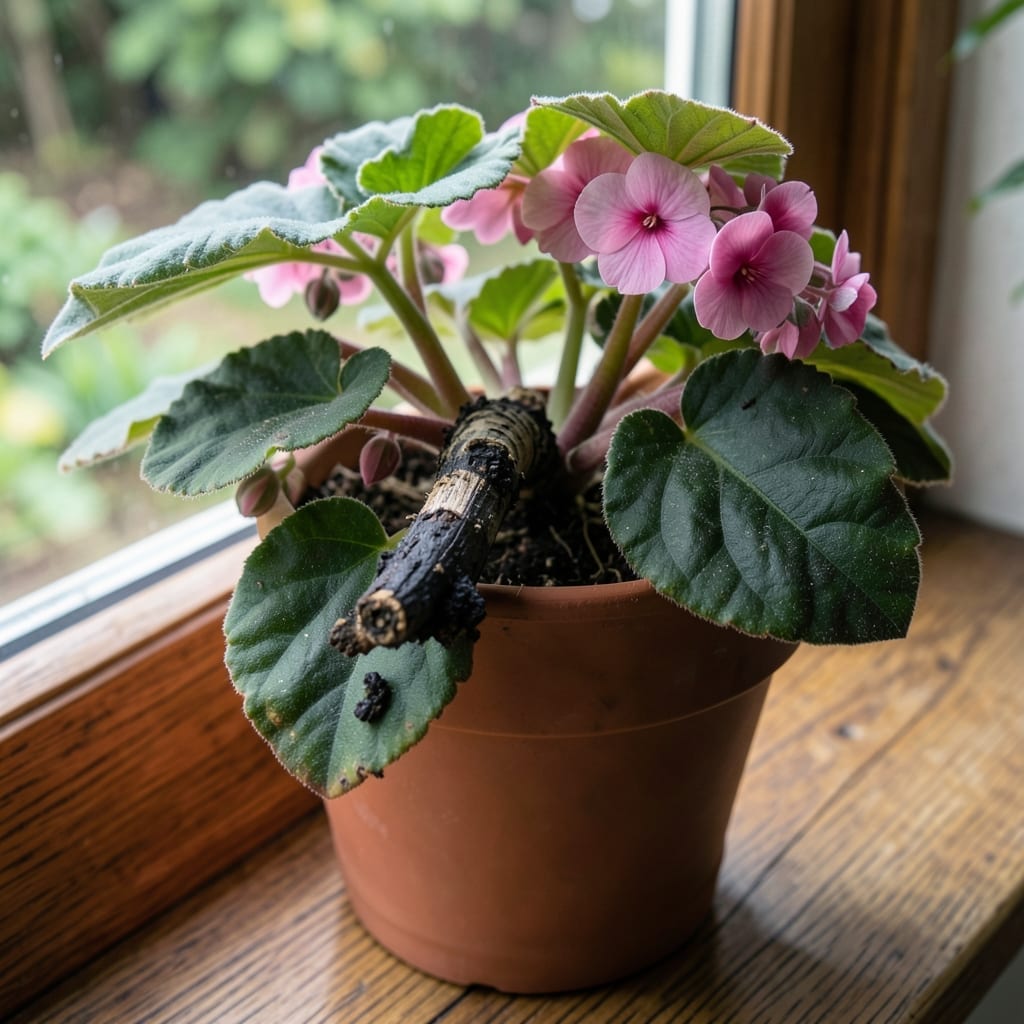
Blackened stems and mushy bases on your begonias mean trouble. I’ve lost count of how many plants I’ve saved by catching stem rot early, and the fix is simpler than you’d think.
Overwatering tops the list of culprits, but poor drainage and high humidity are close behind. The key is matching your watering schedule to what begonias actually need—not what the calendar says.
With the right adjustments, you’ll see new growth emerging from healthy stems within 2-3 weeks. The plants bounce back faster than you’d expect, especially if you act at the first sign of softness.
Works for all begonia types, from wax to cane varieties. Here’s how to spot the warning signs before it spreads.
Understanding the root causes of begonia stem rot helps you prevent it. Here are the primary factors:
Begonias thrive in consistently moist but not soggy soil. When overwatered, the soil becomes waterlogged, reducing oxygen availability to the roots. This creates an anaerobic environment, encouraging the growth of Pythium, Phytophthora, or Fusarium—fungi and oomycetes that cause stem rot. Poor drainage (e.g., compacted soil or lack of drainage holes) exacerbates the issue.
Pathogens like Botrytis cinerea (gray mold) or Erwinia bacteria directly attack weakened stems, especially in humid conditions. These microbes thrive in high moisture and low airflow, entering through wounds or natural openings. Once inside, they break down plant tissues, leading to soft, discolored stems.
Begonias prefer 65–75°F (18–24°C) and moderate humidity. Excessive heat or cold stress weakens the plant, making it more susceptible to infections. High humidity (above 60%) without proper ventilation promotes fungal spores’ germination and spread, accelerating rot development.
Reusing unsterilized potting mix or tools can introduce harmful pathogens. Fungal spores or bacteria from previously infected plants may linger in soil, infecting healthy begonias. Always use pasteurized soil and disinfect pruning tools with 70% isopropyl alcohol.
When begonia stems start softening or blackening, quick action can save your plant. Below are targeted fixes for the most common causes, paired with prevention tips to keep your begonias thriving.
Fix: Stop watering immediately and let the soil dry out completely. Gently remove the plant from its pot, trim away any mushy, discolored stems with sterilized scissors, and repot in fresh, well-draining soil. Use a pot with drainage holes to prevent waterlogging.
Prevent: Water only when the top 1-2 inches of soil feel dry. Use a moisture meter or the finger test to avoid guesswork. 💡 Pro tip: Terracotta pots help wick away excess moisture.
Fix: Isolate the affected plant to prevent spreading. Remove infected stems and treat the remaining plant with a copper-based fungicide or a diluted hydrogen peroxide solution (1 part 3% peroxide to 4 parts water). Apply weekly until the issue resolves.
Prevent: Improve air circulation around your begonias and avoid wetting the leaves when watering. Sterilize your tools between uses with rubbing alcohol. 🌡️ Pro tip: Space plants at least 6-12 inches apart to reduce humidity buildup.
Fix: Replace compacted or water-retentive soil with a light, airy mix. A blend of peat moss, perlite, and pine bark works well for begonias. If root rot is present, trim affected roots before repotting.
Prevent: Use a high-quality potting mix labeled for indoor plants or create your own with 50% peat moss and 50% perlite. ✨ Pro tip: Add a handful of charcoal to the mix to absorb excess moisture and prevent odors.
Fix: Move your begonia to a spot with bright, indirect light (e.g., an east-facing window). Keep temperatures between 65-75°F (18-24°C) and avoid drafts or cold windowsills.
Prevent: Rotate your plant weekly for even light exposure. If growing under artificial lights, maintain 12-14 hours of light daily and keep bulbs 6-12 inches away from the plant.
Look for soft, mushy stems that appear black or dark brown. Healthy stems are firm and green. Early signs include wilting or yellowing leaves despite moist soil.
Yes, if caught early. Remove affected stems with sterilized scissors, repot in fresh soil, and adjust watering. New growth should appear within 2-3 weeks if the roots remain healthy.
Use a well-draining mix with 50% peat moss and 50% perlite. Adding charcoal helps absorb excess moisture. Always ensure pots have drainage holes.