
Beautiful Plants For Your Interior
Beautiful Plants For Your Interior
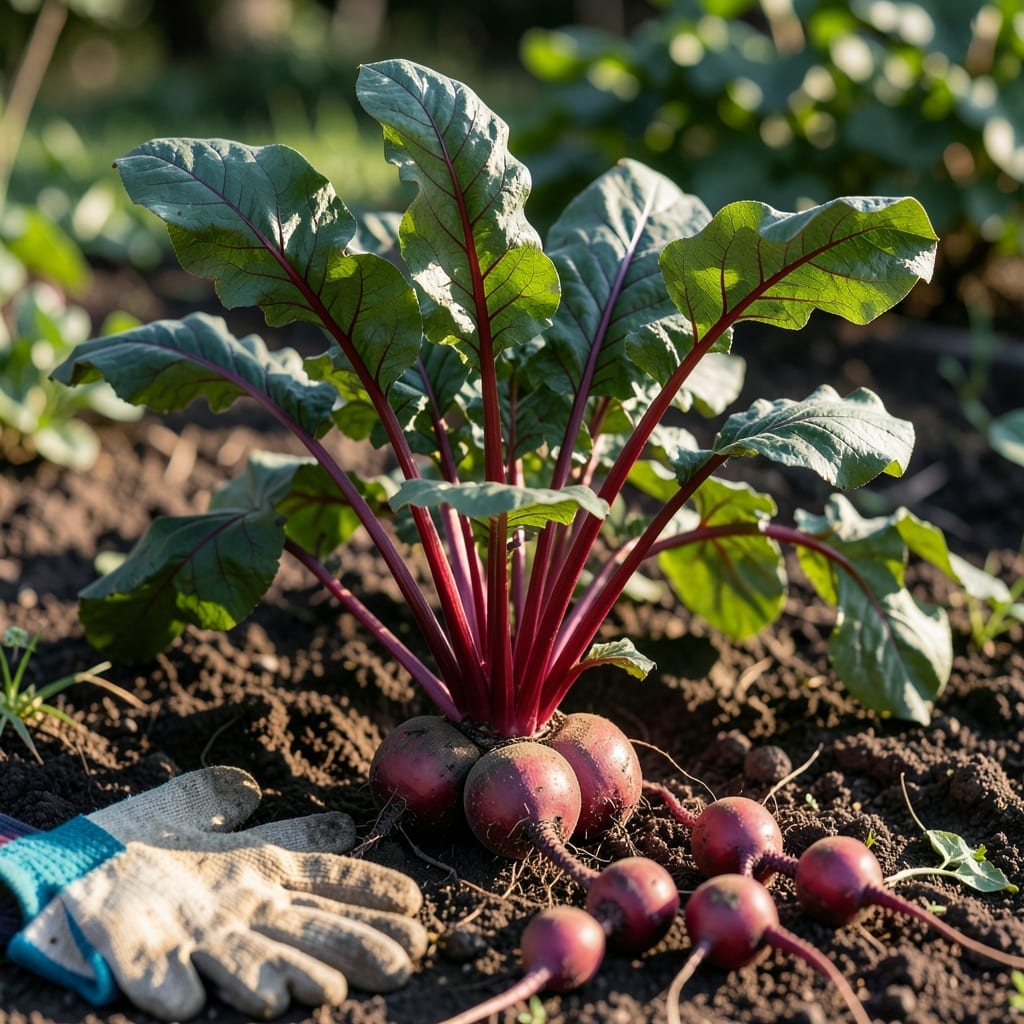
Red or pink urine after eating beets is usually harmless and caused by betalain pigments. About 10-14% of people experience this due to how their body processes these natural compounds.
This color shift happens because betalains aren’t fully broken down in everyone’s digestive system. I notice it most after eating raw or lightly cooked beets, as heat can partially degrade these pigments. The phenomenon, called beeturia, is more common in people with low stomach acid or certain genetic variations. 💫
💡 In This Article
Beets contain vibrant betalain pigments, particularly betanin, which give them their deep red-purple hue. These water-soluble compounds normally get broken down in the stomach and intestines. However, in some individuals, the pigments pass through the digestive tract mostly intact and get absorbed into the bloodstream.
The kidneys then filter them out, resulting in the distinctive color change in urine.
Research shows that about 10-14% of the population experiences this phenomenon, known as beeturia. It’s more likely to occur when stomach acidity is lower than normal, as highly acidic environments help degrade these pigments. Age, genetics, and medications that reduce stomach acid can all influence whether you’ll see this effect.
I’ve noticed it appears more vivid after consuming raw beets or beet juice, as cooking can partially break down the pigments. 🔥
The color intensity varies based on several factors. Eating a larger quantity of beets naturally leads to more pigment in your system. Hydration levels also play a role—more diluted urine will appear lighter pink, while concentrated urine may look deep red.
The effect typically appears within 2-8 hours after consumption and lasts for 1-2 days as your body processes the pigments.
What’s fascinating is that these pigments aren’t just color producers—they’re also powerful antioxidants. Betalains have been studied for their potential anti-inflammatory and detoxification properties. The fact that they appear in urine unchanged in some people actually demonstrates how individual our digestive systems are.
This variation in pigment metabolism is completely normal and doesn’t indicate any health issues in the vast majority of cases. ✨
Interestingly, the ability to excrete betalains unchanged was once considered rare, but modern studies show it’s more common than previously thought. This change in understanding came as researchers developed better methods to detect these pigments in urine.
The phenomenon serves as a harmless but visible reminder of how our bodies process different compounds in unique ways.
No, it’s usually harmless. About 10-14% of people experience this due to betalain pigments passing through unchanged. Only be concerned if it lasts over 48 hours or comes with other symptoms.
It depends on stomach acid levels and genetics. Lower acidity means pigments aren’t fully broken down. Age and medications like antacids can also play a role.
Typically 1-2 days after eating beets. It appears within 2-8 hours and fades as your body processes the pigments. Hydration can affect the shade.
Yes, heat partially breaks down pigments. Raw or lightly cooked beets are more likely to cause noticeable color. The more processed, the less vivid the effect.
Stomach acid reducers like proton pump inhibitors or antacids increase the chance. They lower acidity, allowing pigments to pass through more easily.