
Beautiful Plants For Your Interior
Beautiful Plants For Your Interior
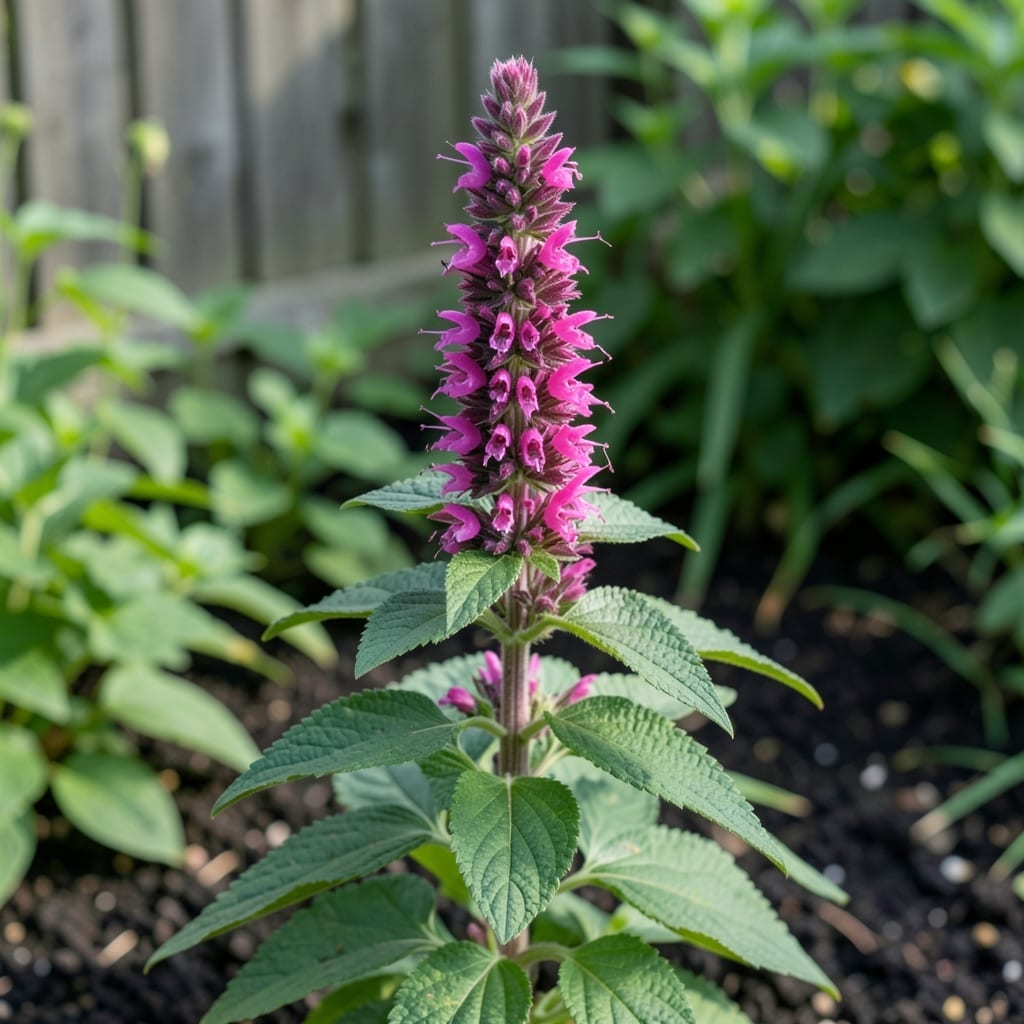
Bee balm thrives in USDA hardiness zones 4 through 9, with most varieties performing best in zones 5-8. It prefers full sun to partial shade and well-drained soil.
I’ve found these zones provide the ideal balance of winter chill and summer warmth for robust growth. In cooler zones like 4, bee balm may die back but reliably returns each spring, while in warmer areas like 9, it can flourish as a perennial with proper care. 🔥
What’s fascinating is how this plant adapts to varying climates, though it always demands good drainage to prevent root rot. ✨
💡 In This Article
Bee balm’s cold tolerance stems from its ability to enter dormancy when temperatures drop below 20°F. In zones 4-5, the plant dies back to the ground but regenerates from its root system when spring arrives. This survival mechanism relies on energy stored in its rhizomes during the growing season.
The species develops thicker stems and waxier leaves in hotter zones like 8-9 to conserve moisture. I’ve noticed varieties like Monarda didyma handle heat better than Monarda fistulosa, which prefers cooler climates. This adaptation prevents water loss through transpiration during intense summer heat. 🔥
Soil drainage plays a crucial role across all zones. Bee balm’s fibrous roots require consistent moisture but cannot tolerate waterlogged conditions. In clay-heavy soils of zone 6, amending with compost improves drainage, while sandy soils in zone 9 may need organic matter to retain moisture. ✨
Light requirements shift with latitude. In northern zones 4-5, bee balm thrives in full sun, while in southern zones 8-9, afternoon shade prevents leaf scorch. This flexibility allows the plant to optimize photosynthesis based on available sunlight intensity.
The plant’s square stems, characteristic of the mint family, contain volatile oils that deter pests. These oils become more concentrated in drier conditions, providing natural protection against common garden pests like aphids and Japanese beetles. 💫
What’s remarkable is how bee balm’s flowering time adjusts to zone. In cooler areas, blooms appear in mid-summer, while in warmer zones, you might see flowers as early as late spring. This ensures optimal pollination timing for local bee populations.
Yes, it will die back but regrows from roots each spring. Cut stems to 6 inches after frost and add 2-3 inches of mulch for extra protection.
In zones 8-9, afternoon shade prevents leaf scorch. In cooler zones, it thrives in full sun for optimal growth.
Water deeply 1-2 times weekly in zones 7-9. This encourages deep roots to withstand drought conditions.
Amend clay soil with compost to improve drainage. Test by digging a 1-foot hole and checking water drainage within 2 hours.