
Beautiful Plants For Your Interior
Beautiful Plants For Your Interior
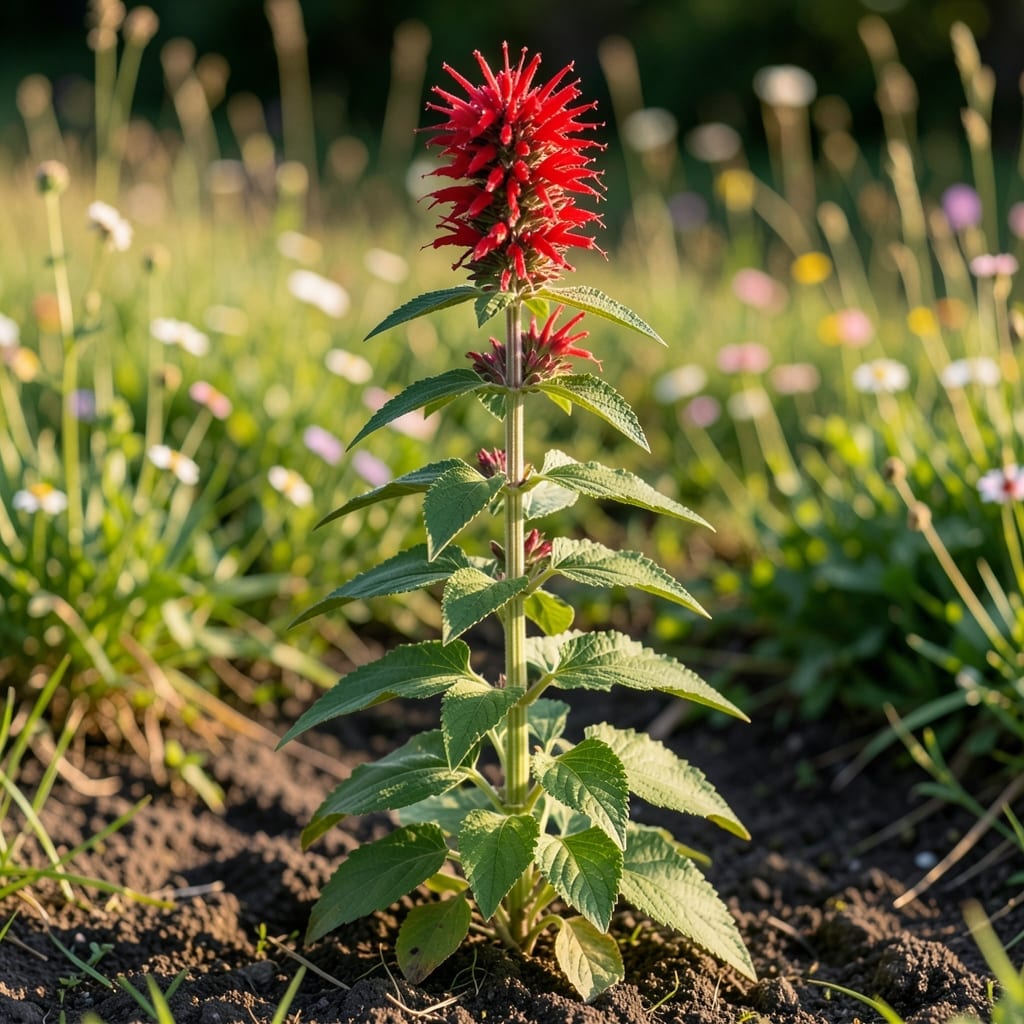
Bee balm thrives in USDA hardiness zones 4 through 9, preferring full sun to partial shade and well-drained soil with moderate moisture.
This hardy perennial handles winter chills down to -30°F in its northern range while tolerating the heat of zone 9 summers. I’ve seen it flourish in both container gardens and open beds, as long as the soil doesn’t stay soggy. 🌟
Its adaptability makes bee balm a favorite for pollinator gardens, attracting bees and hummingbirds with its vibrant blooms from early summer to fall.
💡 In This Article
Bee balm’s zone 4-9 range reflects its remarkable temperature tolerance. In winter, it survives subzero temps down to -30°F in zone 4, while zone 9’s 100°F+ summers don’t phase it. This adaptability stems from its native range across eastern North America, where it evolved to handle both cold snaps and heatwaves with equal resilience. 🌟
The plant’s vascular system efficiently moves water and nutrients, helping it regulate internal temperature. During extreme heat, bee balm can temporarily close its stomata to reduce water loss, a survival mechanism that prevents wilting. Conversely, in cold climates, it enters dormancy, with underground rhizomes storing energy for spring regrowth.
Humidity plays a key role in its zone adaptability. Bee balm prefers moderate humidity (40-60%) but tolerates higher levels in zones 7-9. In drier zones 4-6, it benefits from occasional deep watering to maintain its 1-2 inches weekly moisture requirement. The leaves’ slightly hairy texture helps retain moisture in arid conditions.
Seasonal growth patterns vary by zone. In cooler zones 4-5, bee balm emerges later (late spring) and blooms from early to mid-summer. In warmer zones 8-9, it may start blooming as early as late spring and continue through fall. This extended blooming period in warmer zones makes it especially valuable for pollinator gardens.
Regional climate affects bloom quality too. In zones with distinct seasons (4-6), bee balm often produces more vibrant colors and stronger fragrances. In consistently warm zones (8-9), the plants may grow taller (2-4 feet) but with slightly paler blooms due to less seasonal stress triggering pigment production.
Zone 3 is too cold for bee balm to survive winter. It thrives in zones 4-9, where temperatures don’t drop below -30°F. Consider growing it in containers and bringing it indoors during winter if you’re in zone 3.
In zone 9, plant bee balm in partial shade to prevent leaf scorch. Water deeply 1 inch weekly and mulch with 2-3 inches of organic matter to retain moisture. Afternoon shade is especially important during peak summer.
In zone 5, start seeds indoors 6-8 weeks before the last frost. In zone 8, direct sow in fall or early spring. Zone 8 plants may need more shade and frequent watering due to heat.
Wilting in zone 7 often means insufficient water. Bee balm needs consistent moisture, especially in heat. Water deeply 2-3 times weekly and ensure soil drains well to avoid root rot.