
Beautiful Plants For Your Interior
Beautiful Plants For Your Interior
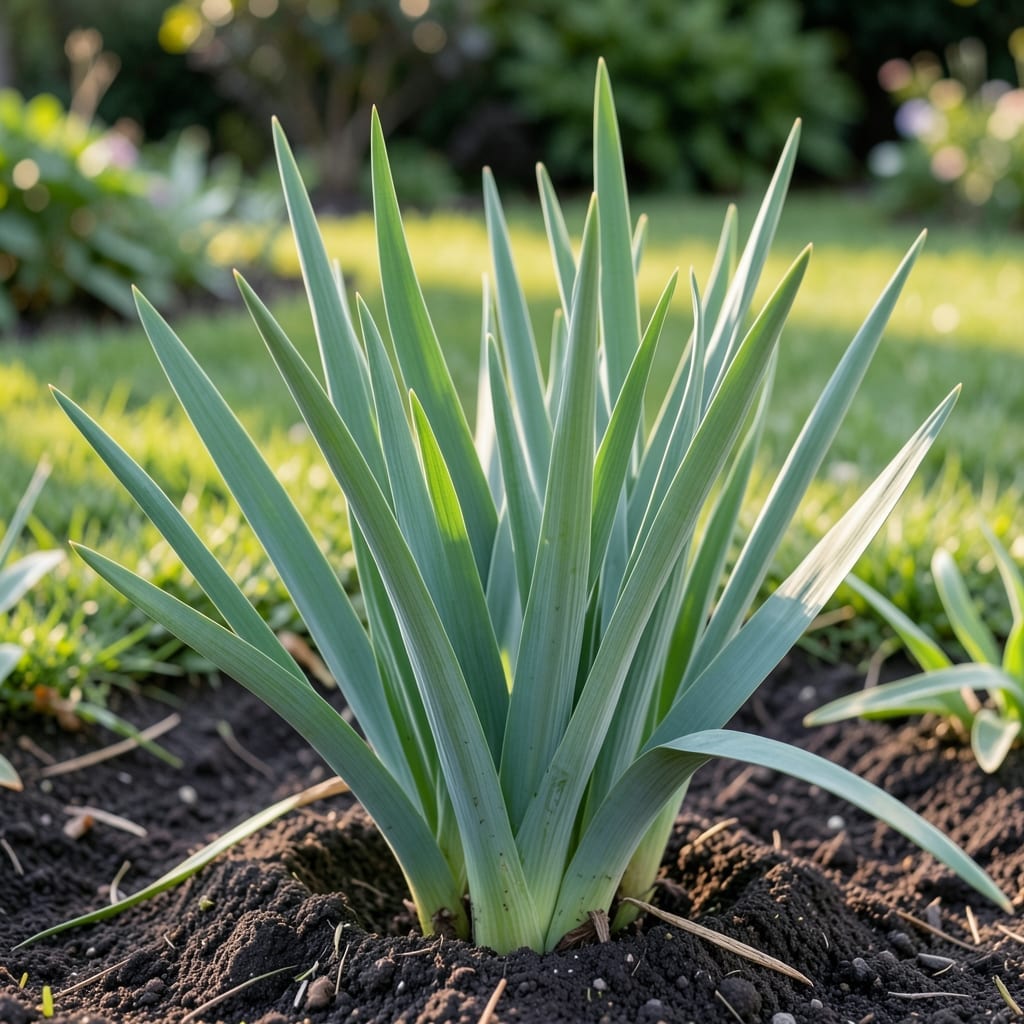
My bearded irises sat there last spring, all leaves and no flowers. 🌱 Turns out, they were telling me exactly what they needed—just not in words.
Most often, it’s a sunlight issue. These plants demand 6-8 hours of direct sun daily. Without it, they’ll just grow leaves. Planting depth matters too—those rhizomes need to bake a little in the sun.
Nutrient imbalances can also stall blooming. Too much nitrogen gives you foliage, not flowers. A balanced fertilizer in early spring usually does the trick.
With a few adjustments, you’ll see those first purple buds pushing through. The fix is often simpler than you think.
When your bearded iris fails to bloom, it’s often due to a few key factors. Understanding these can help you diagnose and fix the issue quickly.
Bearded irises thrive in full sun, requiring at least 6–8 hours of direct sunlight daily. Shade from trees or buildings can limit photosynthesis, reducing energy for flower production. If your irises are in a dim spot, consider relocating them to a sunnier area.
These plants multiply over time, and crowded rhizomes compete for nutrients, stunting blooms. If clumps are older than 3–4 years, dig them up in late summer, discard the old center rhizomes, and replant the healthy outer ones with space to grow.
Too much nitrogen (common in lawn fertilizers) promotes leafy growth but inhibits flowering. Instead, use a low-nitrogen, high-phosphorus fertilizer (e.g., 6-10-10) in early spring to encourage blooms. Avoid over-fertilizing—irises are relatively low-maintenance.
Bearded irises need a cold dormancy period (32–40°F for 8–10 weeks) to trigger blooming. Mild winters or mulch that insulates too much can disrupt this cycle. Additionally, late frosts can damage emerging flower buds. Plant in well-drained soil to prevent rot and avoid heavy winter mulching.
Cutting back foliage too early (before late fall) removes stored energy needed for next year’s blooms. Wait until 6–8 weeks after flowering to trim, and never remove healthy leaves during the growing season.
When your bearded iris refuses to bloom, a few targeted fixes can bring those vibrant colors back. Below are practical solutions mapped to common causes, along with prevention tips to keep them flowering year after year.
Bearded irises need 6-8 hours of full sun daily. If yours are in shade, transplant them to a sunnier spot in early fall or spring. Trim back nearby trees or shrubs casting shadows. Prevention tip: Observe sunlight patterns in your garden before planting new rhizomes.
Too much water leads to rot and no blooms. Water deeply once a week (more in extreme heat), but let the soil dry between waterings. Ensure good drainage—amend heavy clay soil with compost or sand. Prevention tip: Plant rhizomes in a raised bed if your soil stays soggy.
A balanced 6-10-10 fertilizer applied in early spring and again after blooming encourages growth. Avoid high-nitrogen mixes, which promote leaves over flowers. Prevention tip: Test soil every 2-3 years to monitor pH (ideal: 6.8–7.0) and nutrient levels.
Clumps older than 3-4 years get congested. In late summer, dig up rhizomes, discard the center (oldest part), and replant healthy outer sections 12-24 inches apart. Prevention tip: Mark your calendar to divide every 3 years—it rejuvenates plants and prevents future bloom failure.
Check for iris borers (chewed leaves) or bacterial soft rot (mushy rhizomes). Remove affected parts immediately. Use neem oil for pests or a copper-based fungicide for rot. Prevention tip: Clean up garden debris in fall to reduce overwintering pests.
With these fixes, your bearded irises should reward you with stunning blooms next season! ✨
They require 6-8 hours of direct sunlight each day. Without enough light, they’ll focus on leaf growth instead of producing blooms.
Divide them every 3-4 years in late summer. This prevents competition for nutrients and gives new growth space to thrive.
Use a low-nitrogen, high-phosphorus fertilizer like 6-10-10 in early spring. Too much nitrogen leads to leafy growth but no flowers.
Yes, late frosts can damage emerging flower buds. Protect plants with frost cloth if cold snaps are forecasted after new growth appears.