
Beautiful Plants For Your Interior
Beautiful Plants For Your Interior
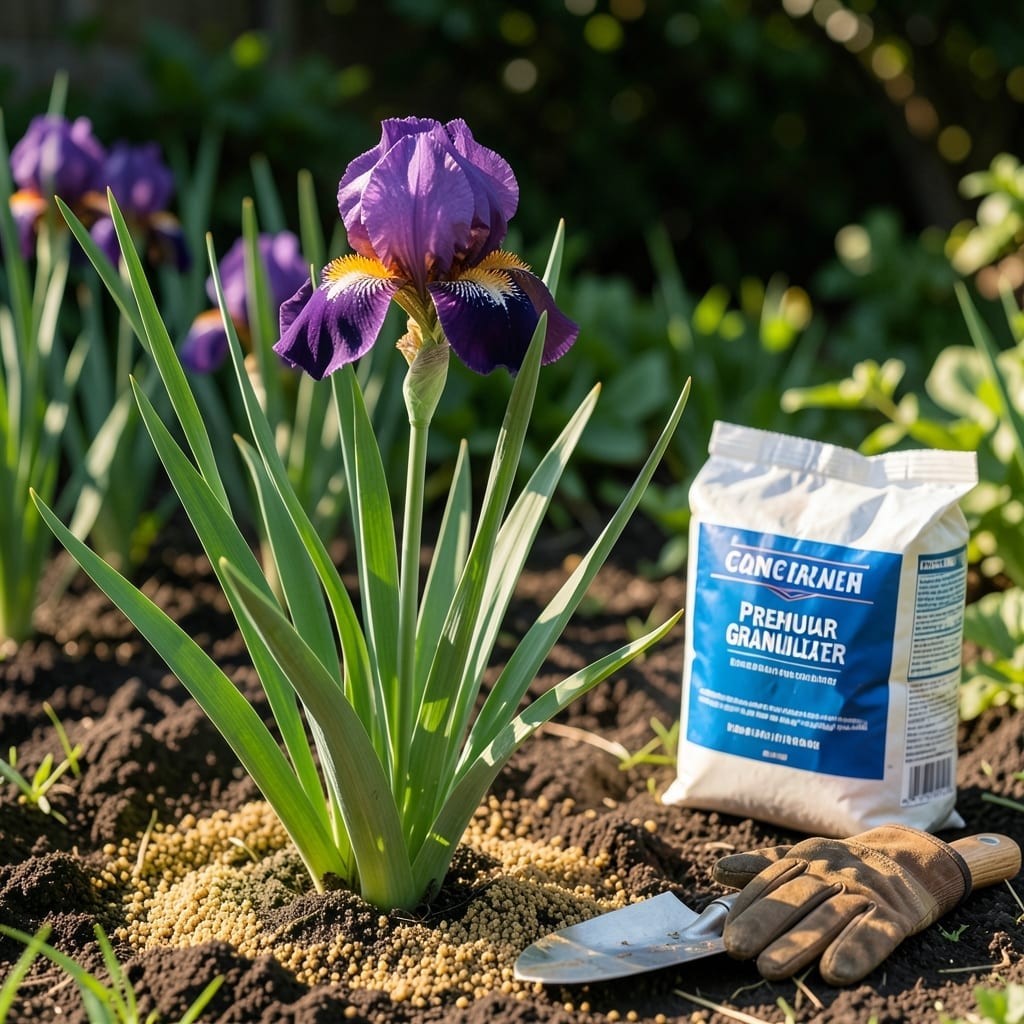
Timing your bearded iris fertilization correctly can mean the difference between a lackluster bloom next year and a spectacular display. These resilient 🌸 perennials thrive with minimal care, but strategic feeding at the right moment boosts their health.
I’ve learned that nourishing your Bearded Iris at the optimal times directly impacts next season’s growth. The key is working with their natural cycle, not against it.
Whether you’re a seasoned gardener or just starting with these beautiful flowers, understanding the when and why of fertilization will transform your results. It’s simpler than you might think.
Discover the seasonal secrets that will make your iris the envy of the neighborhood. Let me show you exactly how to time it right.
Getting the timing right for bearded iris fertilization is key to vibrant blooms. These hardy perennials need strategic feeding to develop strong rhizomes and store energy for next year’s flowers.
I’ve found that late summer fertilization works best, as it supports root growth before winter dormancy. Avoid fertilizing during active blooming or winter rest periods.
| Season | Fertilizer Action | Purpose |
|---|---|---|
| Early Spring | Light Feed | Boost new growth |
| Post-Bloom | Full Feed | Support rhizome development |
| Late Summer | Light Feed | Prepare for dormancy |
| Winter | None | Plant is dormant |
Post-bloom fertilization in early summer gives your irises the biggest boost. This is when they’re building energy reserves for next year’s spectacular display.
I recommend using a low-nitrogen fertilizer with a ratio like 6-10-10. The higher phosphorus content encourages root development and flower production rather than leafy growth.
Granular fertilizers work well for bearded irises. Apply about 1 tablespoon per plant, scattering it around the rhizome base but not directly on top of it.
Water deeply after fertilizing to help nutrients reach the roots. This prevents fertilizer burn and ensures your irises can absorb the nutrients effectively.
Avoid fertilizing in late fall or winter. The plants are dormant, and extra nutrients won’t be used. They could even promote unwanted growth that might be damaged by frost.
Remember, bearded irises are tough plants. They’ll thrive with minimal fertilization, but that one well-timed feeding can make all the difference in your next year’s bloom quality and quantity.
I’ve seen the most dramatic results when I stick to this post-bloom feeding schedule. The plants reward me with more blooms and richer colors the following spring 🌷
The secret to next year’s stunning blooms lies in post-bloom care. After your bearded iris finishes flowering, it enters a critical growth phase where it stores energy for the next season.
I always recommend fertilizing immediately after blooming, typically in early to mid-summer. This timing allows the plant to absorb nutrients while still actively growing, fueling next year’s spectacular display.
For the best results, I use a granular fertilizer because it provides slow-release nutrients that feed the plant over time. Liquid fertilizers work too but require more frequent application.
Be sure to water thoroughly after fertilizing. This helps dissolve the granules and carry the nutrients down to the root zone where they’re needed most. Without proper watering, the fertilizer may sit on the surface.
Watch for signs of over-fertilization like yellowing leaves or stunted growth. If you notice these, reduce your fertilization rate. Remember, bearded irises prefer leaner soil and can suffer from too much kindness.
This post-bloom feeding routine has consistently given me the most vibrant, abundant blooms the following year. The plants seem to thank me with their spectacular performance 🌷