
Beautiful Plants For Your Interior
Beautiful Plants For Your Interior
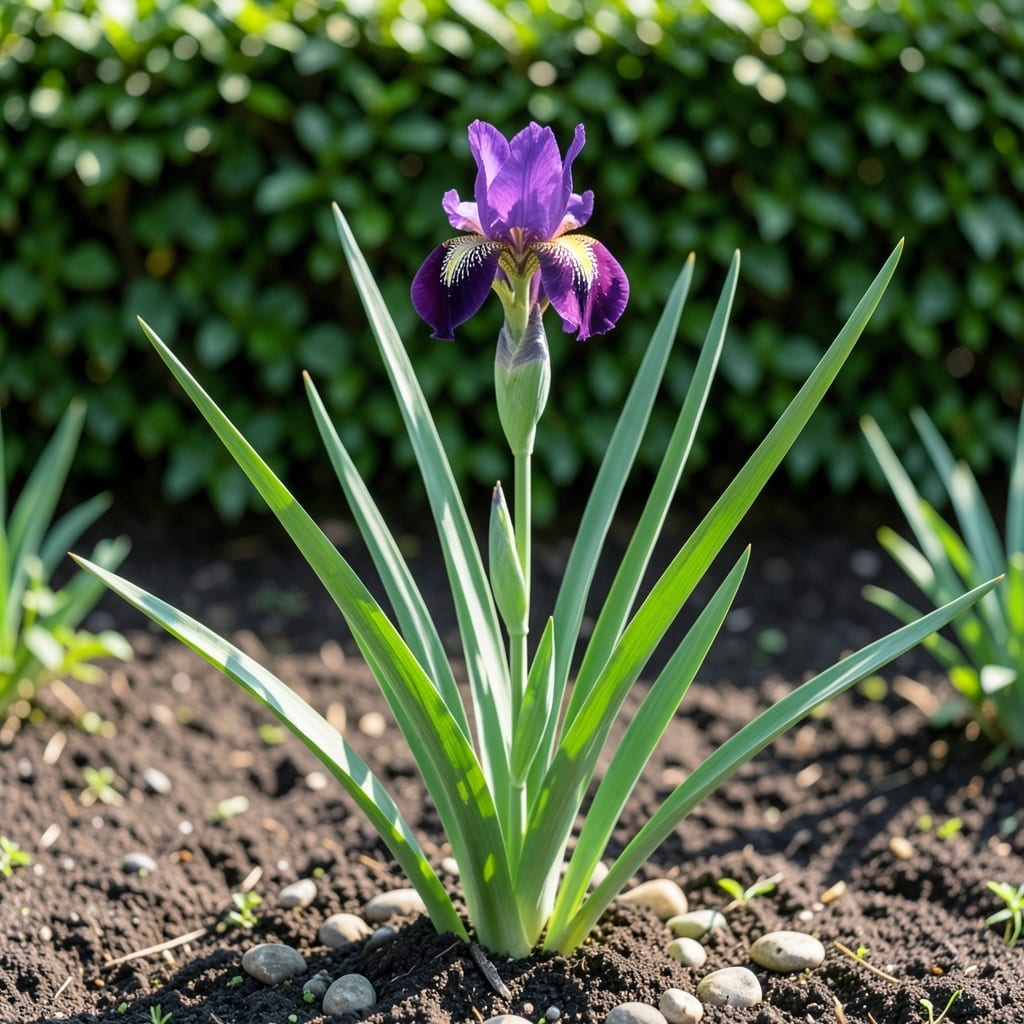
There’s nothing quite like watching 🌸 Iris transform your garden into a vibrant canvas. These stunning flowers don’t follow a one-size-fits-all schedule, as their bloom time varies by type and your local climate.
From bearded to Siberian varieties, each Iris has its own rhythm. I’ve learned that timing your planting and care just right can make all the difference in when those first colorful blooms appear.
Discover how to align your garden’s beauty with nature’s calendar. Whether you’re in zone 3-9, I’ll help you understand the best times to expect these flowers to shine.
I love how iris varieties each have their own blooming personality. Bearded irises typically kick off the season in early to mid-spring, while Siberian irises follow in late spring to early summer. This staggered timing is nature’s way of keeping our gardens vibrant for weeks on end.
Meanwhile, Japanese irises prefer to make their grand entrance in early to mid-summer. The key to a stunning display is understanding these natural schedules and planning your garden accordingly.
| Iris Type | Bloom Time | USDA Zones |
| Bearded Iris | April-May | 3-9 |
| Siberian Iris | May-June | 3-9 |
| Japanese Iris | June-July | 4-9 |
In my experience, early-season bearded irises like ‘Purple Hill’ often bloom as soon as late March in warmer zones. These first bloomers are perfect for adding color when most plants are still waking up from winter.
Mid-season varieties such as ‘Beverly Sills’ typically flower in April to early May. These are the classic iris most gardeners picture when they think of these stunning plants.
For those in cooler climates, late-season bearded irises like ‘Jane Phillips’ may not bloom until May or even early June. The wait is always worth it for these dramatic, often reblooming varieties.
Siberian irises are my go-to for reliable late spring color. Varieties like ‘Caesar’s Brother’ produce deep purple blooms that thrive in moist soil conditions, making them perfect for rain gardens.
I find Japanese irises particularly stunning in wetland gardens. Their large, flat blooms in shades of blue, purple, and white appear just as most spring flowers are fading.
Remember, these are general guidelines. Your local climate and microclimates can shift bloom times by 2-3 weeks. Warmer zones see earlier blooms, while cooler areas get later flowers.
To maximize your iris display, I recommend planting a mix of early, mid, and late varieties. This approach can give you continuous blooms from March through July, depending on your location.
Don’t forget that proper care affects bloom times too. Well-drained soil and full sun help irises bloom on schedule, while poor conditions can delay or prevent flowering altogether.
With the right variety selection and care, you can enjoy these gorgeous flowers for nearly half the year. 🌸
I’ve found that succession planting is the secret to enjoying iris blooms for months. By carefully selecting early, mid, and late varieties, you can create a continuous display that starts in spring and extends into summer.
Start with early bearded irises like ‘Purple Hill’ that bloom in March-April. Then add mid-season varieties such as ‘Beverly Sills’ for April-May color. Finish with late bloomers like ‘Jane Phillips’ for May-June flowers.
Plant Siberian irises alongside your bearded varieties. Their May-June bloom time bridges the gap perfectly, giving you 8+ weeks of continuous color with minimal effort.
For the most impact, I recommend planting in groups of 3-5 rhizomes per variety. This creates bold color blocks that make a real statement in your garden. Space them about 12-24 inches apart to allow for proper air circulation.
Remember that soil preparation is key for all iris types. They thrive in well-draining soil with a pH of 6.8-7.0. Amend heavy clay with compost before planting for the best results.
With this approach, you’ll enjoy a stunning iris display that evolves throughout the season. The initial planting effort pays off with months of color and minimal maintenance. 🌸