
Beautiful Plants For Your Interior
Beautiful Plants For Your Interior
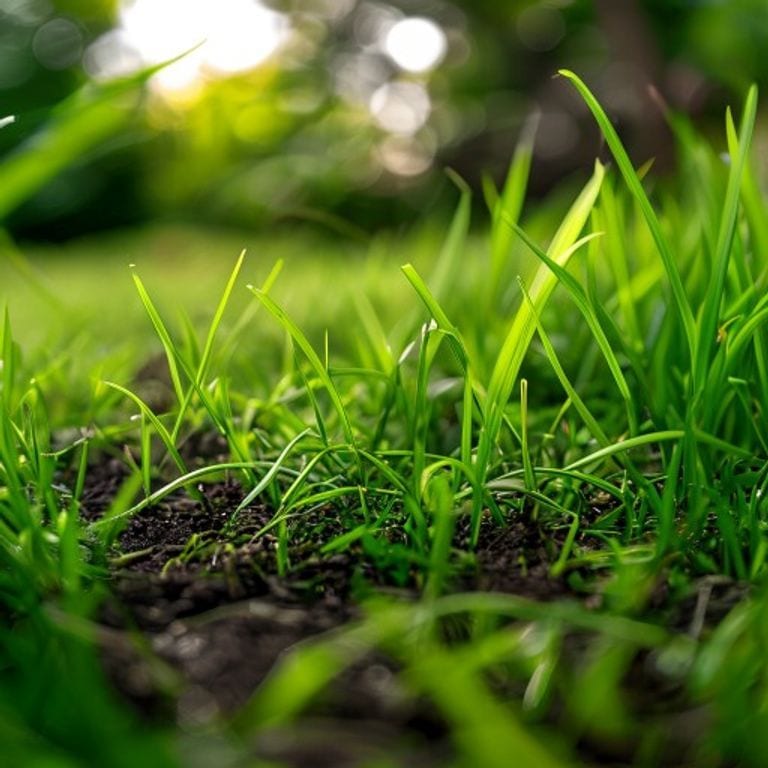
I’ve watched grubs destroy a lawn in two weeks. This treatment stops them cold—along with ants, ticks, and dozens of other pests lurking beneath the surface.
It works in the soil where bugs live and breed, not just on top. One application protects for 3 months, so you’re not chasing problems every weekend.
Best time to apply? Early morning or late evening, when pests are active but bees aren’t. Water it in well, and keep pets off the lawn for 24 hours.
Works on lawns, ornamentals, even veggie gardens (but follow the label for edibles). Here’s how to use it right.
Understanding why pests invade your lawn or garden soil is the first step in effective control. Below are the key factors that create ideal conditions for soil-dwelling insects, which products like Bayer Advanced Complete Insect Killer for Soil & Turf are designed to combat.
Excess moisture in the soil creates a breeding ground for insects like grubs, chinch bugs, and sod webworms. When soil remains soggy due to overwatering or poor drainage, it weakens turf roots and attracts pests that thrive in damp environments. Fungal growth, which often accompanies wet conditions, can also invite secondary pests.
A thick layer of thatch (undecayed plant matter) or organic debris on the soil surface provides shelter and food for insects. Pests such as billbugs and white grubs feed on decaying organic material, multiplying rapidly when these layers are left unchecked. Regular dethatching and removal of leaves or grass clippings can disrupt their lifecycle.
Many soil-dwelling pests, including Japanese beetle grubs and cutworms, prefer warm, loose soil for laying eggs. Compacted soil may deter some pests, but loosely aerated soil with high organic content can unintentionally invite infestations. Monitoring soil temperature and texture can help predict and prevent outbreaks.
Healthy soil teems with beneficial microbes that naturally suppress pest populations. When soil lacks these microorganisms—due to overuse of chemical fertilizers or pesticides—harmful insects gain the upper hand. Restoring microbial balance through compost or organic amendments can improve soil resilience.
When pests invade your lawn, Bayer Advanced Complete Insect Killer for Soil & Turf offers a targeted solution. Below are practical fixes for common issues, along with prevention tips to keep your lawn healthy long-term.
Grubs chew through grass roots, causing brown patches. To fix this, spread the granules uniformly over the affected area using a broadcast spreader. Water the lawn immediately after application to activate the formula. For prevention, treat your lawn before grubs hatch—typically in late spring or early summer.
Pro Tip: 💡 Reapply every 3 months if grubs are a recurring issue in your region.
For pests like ants or chinch bugs, concentrate the product on visible trails or damaged areas. Lightly rake the granules into the topsoil for better contact. To prevent reinfestation, remove thatch and debris where insects hide.
If your turf looks stressed post-application, water it deeply to help recovery. Avoid mowing for 1–2 days to let the product settle. Prevention: Test a small area first if your grass is sensitive, and always follow label rates.
If pests return, they may have been missed during initial treatment. Reapply during the insect’s active phase (e.g., early morning or evening for many species). For long-term control, combine with cultural practices like aeration and proper fertilization.
Pro Tip: 🎯 Rotate pest control methods to avoid resistance buildup.
You’ll typically notice a reduction in pests within 24-48 hours after application. Full control may take up to 7 days depending on the pest type and infestation severity.
Keep pets and children off treated areas for 24 hours. After watering in and drying, the area is safe. Always store the product out of reach.
Yes, but follow label instructions carefully. Avoid direct contact with edible portions and wait 14 days before harvesting produce.
It controls over 100 insect types, including grubs, ants, ticks, and chinch bugs. Works both above and below the soil surface.