
Beautiful Plants For Your Interior
Beautiful Plants For Your Interior
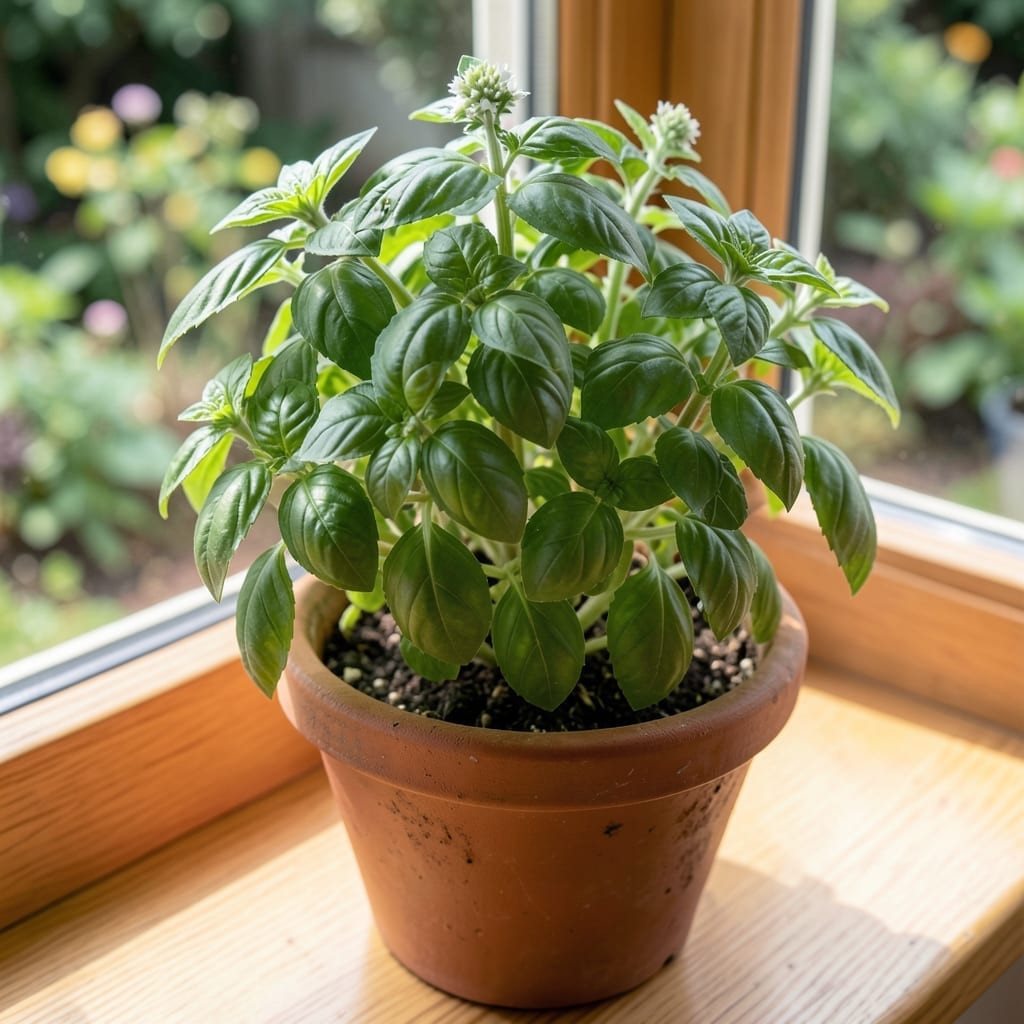
Your basil’s sad posture isn’t just dramatic—it’s begging for help. I’ve seen this exact droop in my own plants more times than I care to admit, and it always comes down to one of three culprits.
More often than not, it’s either too much or too little water. Basil leaves wilt fast when roots can’t drink, whether they’re drowning or parched. Light comes next: stretch toward a dim window and the stems weaken overnight.
Fix it in 24 hours with a moisture check and a sunnier spot. Most plants bounce back the same day once conditions stabilize.
Prevent the next crisis with consistent watering and 6-8 hours of bright light daily. Your basil will reward you with perky, fragrant leaves ready for harvest.
Several environmental and care-related factors can cause your basil to look droopy. Understanding these will help you revive your plant effectively.
Basil requires consistent moisture but cannot tolerate soggy soil. Underwatering leads to wilting as the plant lacks the water pressure (turgor) to keep its leaves upright. On the other hand, overwatering suffocates the roots, preventing them from absorbing oxygen and nutrients, which also results in drooping. Aim for soil that is moist but well-draining.
Basil thrives in 6-8 hours of bright, indirect sunlight daily. Too little light weakens the plant, causing it to droop as it struggles to photosynthesize efficiently. Conversely, direct, harsh sunlight (especially in hot climates) can scorch the leaves and lead to heat stress, which manifests as wilting. A south-facing window or a grow light can provide ideal conditions.
Basil is sensitive to temperature extremes. Cold drafts (below 50°F/10°C) or heatwaves (above 90°F/32°C) can shock the plant, causing its leaves to droop. This tropical herb prefers a stable environment between 70-85°F (21-29°C). Move potted basil indoors or to a shaded area during extreme weather.
Compacted or nutrient-poor soil restricts root growth, limiting the plant’s ability to absorb water and nutrients. Additionally, root rot (from fungal infections due to overwatering) or root-bound conditions (in small pots) can cause drooping. Use well-aerated, fertile soil and repot basil if roots are circling the container.
Pests like aphids, spider mites, or whiteflies sap the plant’s juices, weakening it and leading to droopy foliage. Inspect the undersides of leaves for tiny insects or webbing. Treat infestations with neem oil or insecticidal soap to restore your basil’s health.
Don’t panic—your basil can bounce back with a few targeted fixes. Here’s how to address the most common causes of droopiness and keep your plant thriving.
If the soil feels dry an inch below the surface, your basil is thirsty. Give it a deep watering until water drains from the bottom of the pot. Prevention tip: Check soil moisture daily in hot weather and water when the top inch feels dry. Use a saucer to catch excess water, but empty it after 30 minutes to avoid root rot.
Yellowing leaves or soggy soil? Hold off on watering and move the pot to a sunny, breezy spot to dry out. Prevention tip: Ensure pots have drainage holes and use well-draining soil. Water only when the top 1-2 inches of soil are dry.
Leggy stems or pale leaves? Your basil craves more light. Move it to a south-facing window or supplement with a grow light (12-16 hours/day). Prevention tip: Rotate the pot weekly for even growth and avoid dim corners.
Basil wilts in cold drafts or extreme heat. Keep it in a spot with consistent temps between 70-90°F. Prevention tip: Avoid placing near AC vents or heaters, and bring potted basil indoors if nights dip below 50°F.
Slow growth or weak stems? Use a balanced liquid fertilizer (10-10-10) diluted to half-strength every 4-6 weeks. Prevention tip: Refresh potting soil annually and avoid over-fertilizing, which can burn roots.
Check under leaves for aphids or spider mites. Wipe them off with a damp cloth or spray with neem oil. Prevention tip: Isolate new plants for a week and keep foliage dry to deter pests.
With these adjustments, your basil should perk up in 24-48 hours. Stay consistent, and you’ll enjoy lush, fragrant leaves all season! 🌿
Water when the top 1-2 inches of soil feel dry. In hot weather, this may mean daily checks. Always ensure pots have drainage to prevent soggy roots.
Yes, harsh direct sunlight can scorch leaves and cause wilting. Aim for 6-8 hours of bright, indirect light daily. Move plants to shade during peak afternoon heat.
Basil struggles below 50°F (10°C). Keep it indoors or in a warm spot if temperatures drop. Ideal range is 70-85°F (21-29°C) for healthy growth.
Inspect leaf undersides for tiny bugs or webbing. Aphids and spider mites are common culprits. Treat with neem oil or a damp cloth to remove them.