
Beautiful Plants For Your Interior
Beautiful Plants For Your Interior
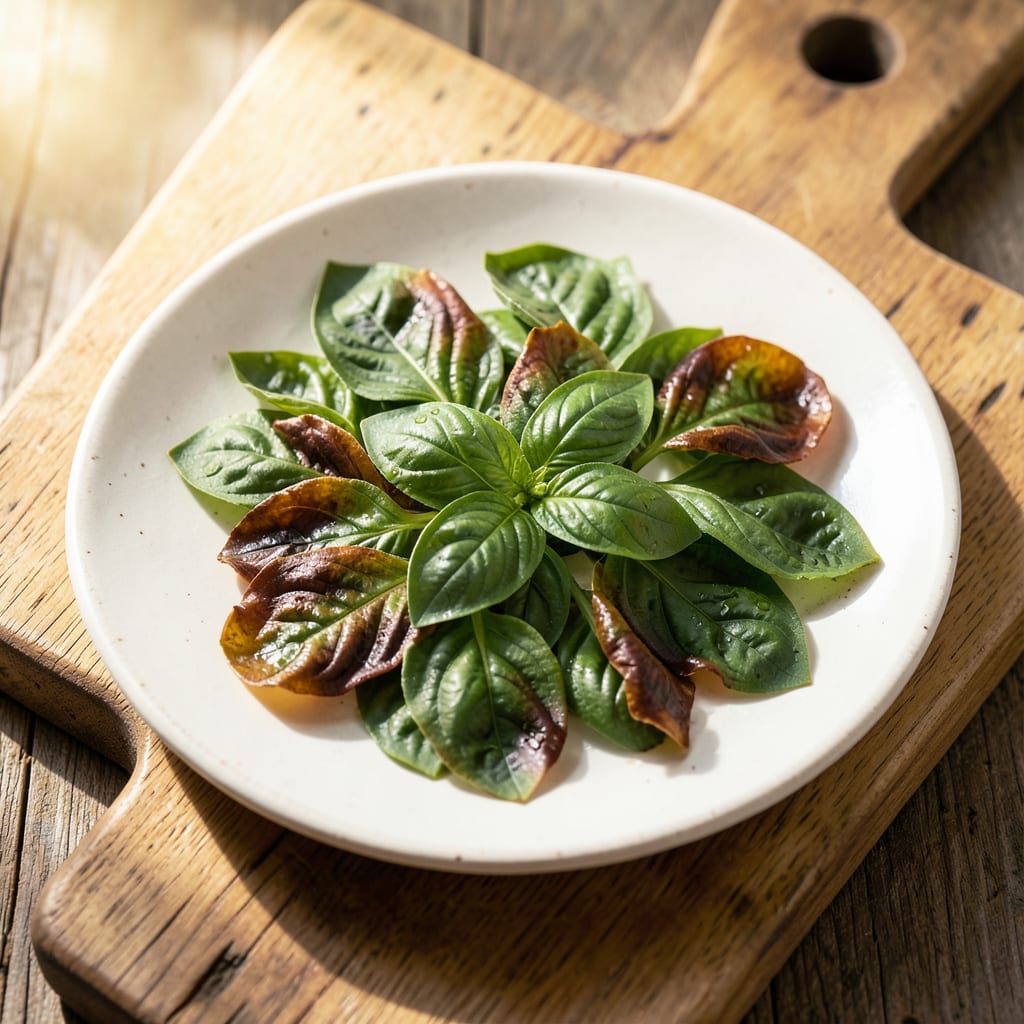
Brown basil leaves hit me like a gut punch last summer. 🌱 One day the plants looked perfect, the next they were crispy and sad.
Turns out it’s usually one of four culprits: too much water, not enough, hungry roots, or sneaky pests. I fixed mine in 48 hours once I figured out which one it was.
You’ll spot the difference fast—wilting means thirst, yellowing means drowning, holes mean bugs. The solutions are simpler than you’d think.
Your basil can bounce back faster than you expect with the right tweaks. Here’s how to diagnose and fix it for good.
Browning basil leaves are a sign your plant is struggling, and several common culprits are usually to blame. Here’s a breakdown of the most frequent causes, with actionable insights to help you diagnose the issue.
Basil thrives in warm, stable conditions. Temperature fluctuations—especially cold drafts below 50°F (10°C)—can shock the plant, leading to leaf discoloration. Similarly, low humidity (below 40%) causes moisture loss, turning leaf edges brown and crispy. Place your basil in a spot with consistent warmth and humidity, or use a pebble tray to maintain moisture levels.
Both overwatering and underwatering stress basil. Overwatering suffocates roots, preventing nutrient uptake and leading to yellowing or browning leaves. Underwatering, on the other hand, causes dehydration and crispy, brown tips. Check soil moisture by inserting your finger an inch deep—water only when the topsoil feels dry.
A lack of essential nutrients, particularly magnesium or potassium, can manifest as brown patches or leaf margins. Magnesium deficiency often starts with yellowing between leaf veins, progressing to brown. Use a balanced, water-soluble fertilizer (e.g., 10-10-10) every 4–6 weeks to replenish nutrients.
Sap-sucking pests like aphids, spider mites, or whiteflies drain the plant’s fluids, causing leaves to turn brown and wilt. Inspect the undersides of leaves for tiny insects or webbing. Treat infestations with neem oil or insecticidal soap, applying every 5–7 days until pests are gone.
Pathogens such as bacterial leaf spot (Pseudomonas) or fungal diseases (e.g., Fusarium wilt) create brown or black spots with halos. These thrive in wet, poorly ventilated conditions. Remove infected leaves immediately, improve air circulation, and avoid wetting the foliage when watering to prevent spread.
Revive your basil with these targeted fixes for each common cause. Act quickly to restore its vibrant green leaves!
Move potted basil to a spot with morning sun and afternoon shade. If planted in the ground, use shade cloth during peak hours (11 AM–3 PM). Keep soil moist to help the plant cool itself.
Prevent it: 💡 Start hardening off seedlings gradually. Avoid black pots, which absorb heat.
Check soil moisture 1 inch deep—water when dry for underwatering. For overwatering, let soil dry out and improve drainage by adding perlite or moving to a pot with holes.
Prevent it: 🎯 Use the finger test: stick your finger in the soil. Water only when the top inch feels dry.
Remove affected leaves immediately to stop spread. Treat with a copper-based fungicide or a DIY mix of 1 tsp baking soda in 1 quart of water, sprayed weekly. Ensure good airflow between plants.
Prevent it: ✨ Avoid wetting leaves when watering. Space plants 12–18 inches apart for ventilation.
Replant in well-draining, organic-rich soil. Feed with a balanced liquid fertilizer (10-10-10) every 4–6 weeks. Yellowing lower leaves may signal nitrogen deficiency—use a nitrogen-rich amendment.
Prevent it: 🔥 Refresh soil annually. Top-dress with compost monthly for slow-release nutrients.
Spray leaves with neem oil or insecticidal soap to target aphids, spider mites, or thrips. Wipe leaves with a damp cloth to remove pests manually. Introduce beneficial insects like ladybugs for long-term control.
Prevent it: 🌿 Inspect plants weekly. Encourage natural predators by planting companion flowers like marigolds.
Water when the top 1 inch of soil feels dry. Typically, this means watering every 2-3 days in warm weather. Overwatering is just as harmful as underwatering, so always check soil moisture first.
Unfortunately, once leaves turn brown, they won’t recover. Remove them to redirect the plant’s energy to healthy growth. Focus on fixing the underlying issue to prevent new leaves from browning.
Place the pot on a tray filled with pebbles and water. As the water evaporates, it increases humidity around the plant. Grouping plants together also helps maintain higher humidity levels.
Yes, remove brown or damaged leaves as soon as you notice them. This prevents the plant from wasting energy on unrecoverable foliage and reduces the risk of fungal spread. Use clean scissors for a precise cut.
