
Beautiful Plants For Your Interior
Beautiful Plants For Your Interior
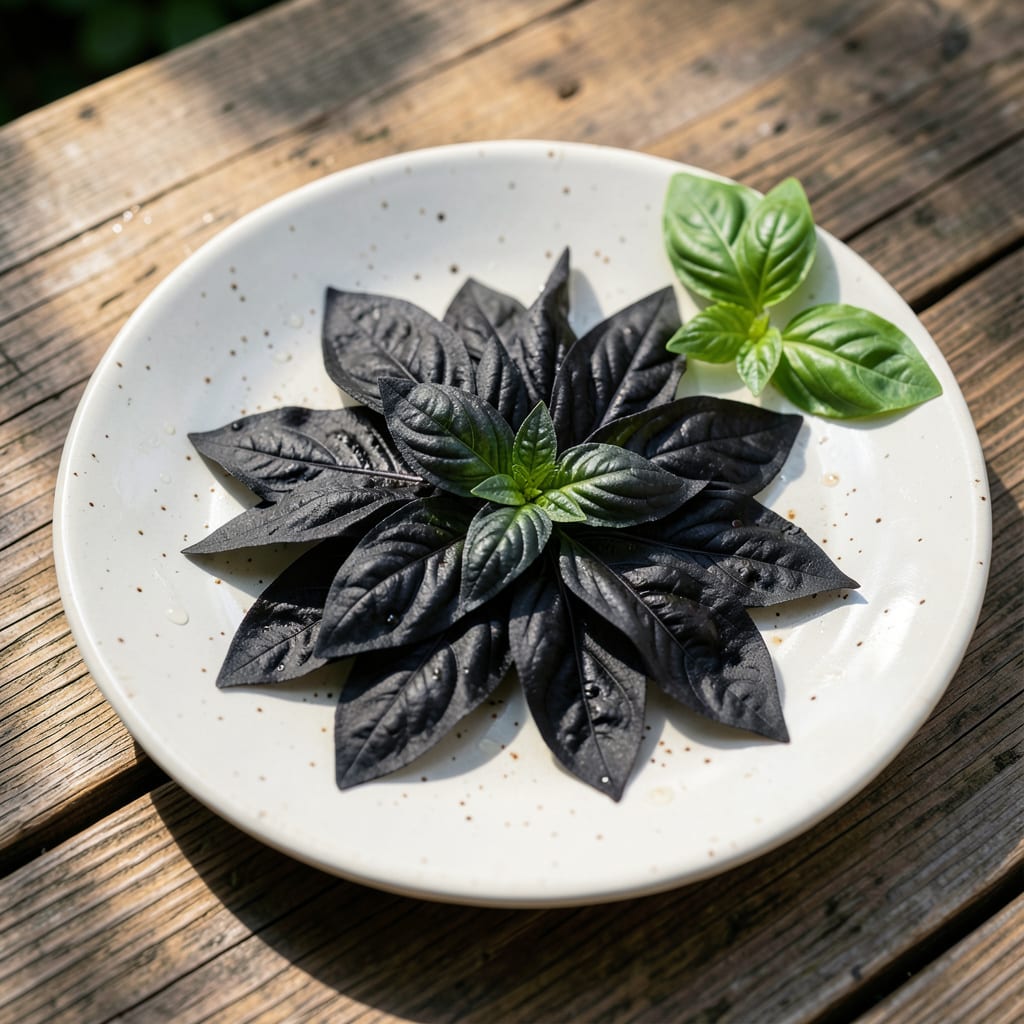
Black basil leaves always signal trouble, but don’t panic. I’ve seen this happen to perfectly healthy plants overnight, and the fix is usually simpler than you think.
Most cases trace back to water stress—either too much or too little. Cold drafts or sudden temperature drops can also shock basil into turning black. Sometimes it’s fungal, but that’s rarer than most guides suggest.
You’ll spot the difference between crisp, dry black leaves (underwatering) and soft, mushy ones (overwatering). The solution starts with checking your watering routine and the plant’s environment.
Basil bounces back fast when you correct the issue. 24-48 hours of proper care often reverses the damage completely.
Basil leaves turning black can be alarming, but understanding the root causes helps you act fast. Here are the most common reasons, explained simply:
Fungi like Peronospora belbahrii (downy mildew) thrive in humid, poorly ventilated conditions. They attack leaves, causing dark, irregular black patches. Powdery mildew, while often white, can also lead to blackening as the leaf tissue dies. Overhead watering and crowded plants worsen the spread.
Basil is sensitive to temperature extremes. Exposure to frost (below 50°F/10°C) or intense heat (above 90°F/32°C) can cause cell damage, leading to blackened, wilted leaves. Sudden temperature swings, like moving plants from indoors to cold outdoor air, can also trigger this.
Too much water suffocates the roots, preventing oxygen uptake. This leads to root rot (often caused by Pythium or Phytophthora fungi), which starves the plant of nutrients. As roots decay, leaves turn black from nutrient deficiency and tissue death. Poor drainage in pots or soil exacerbates the issue.
Sap-sucking pests like aphids and thrips weaken basil by draining its fluids. Their feeding sites turn black as the leaf tissue collapses. Additionally, sooty mold (a black fungus) often grows on the sticky honeydew these pests leave behind, coating leaves in a dark film.
A lack of calcium or magnesium can cause leaf discoloration, including blackening. Conversely, over-fertilization (especially with high-nitrogen products) can burn roots and leaves, leading to black, crispy edges. Always test soil before adjusting nutrient levels.
If your basil leaves have turned black, don’t panic! Here’s how to diagnose and fix the issue based on the most common causes:
Remove infected leaves immediately to prevent spreading. Space plants at least 12 inches apart for better airflow. Water at the base (never overhead) and use a copper fungicide if needed. Prevention: Avoid overcrowding and keep foliage dry.
Let the soil dry 1-2 inches deep before watering again. Ensure pots have drainage holes and use well-draining soil. Trim blackened leaves to redirect energy. Prevention: Stick to a consistent watering schedule—check soil moisture with your finger!
Basil thrives in 70-85°F. If exposed to cold, move it indoors or to a sunnier spot. Prune damaged leaves and monitor for recovery. Prevention: Cover plants or bring them inside if nights drop below 50°F.
Over-fertilizing causes salt buildup. Flush the soil with distilled water until it drains freely. Reduce fertilizer frequency and use a balanced, organic option. Prevention: Fertilize lightly every 4-6 weeks.
Pro Tip: 💡 Always sterilize pruning tools between cuts to avoid spreading disease!
No, once blackened, those leaves won’t turn green again. Remove them to direct energy to healthy growth. With proper care, new leaves will emerge within 1-2 weeks.
Ensure good drainage, avoid overwatering, and maintain 70-85°F. Space plants 12 inches apart for airflow. These steps address most common causes.
Yes, remove blackened leaves right away using clean scissors. This prevents the spread of disease or pests to healthy parts of the plant.
It’s best to discard blackened leaves. If the rest of the plant looks healthy, the unaffected leaves are safe to eat after washing.
