
Beautiful Plants For Your Interior
Beautiful Plants For Your Interior
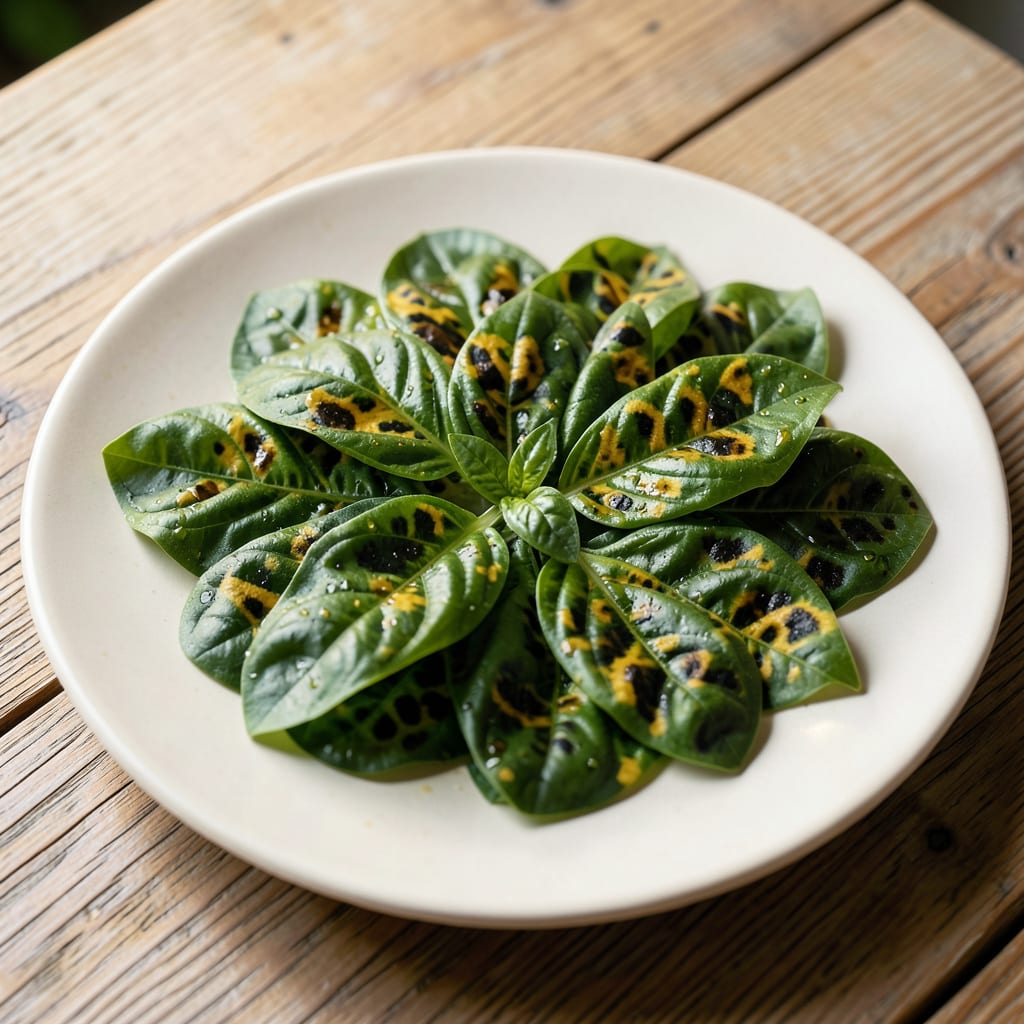
Those dark spots on your basil leaves aren’t just ugly—they’re a warning sign. I first noticed the pattern last summer: yellow halos around brown patches, spreading fast across my genovese basil plants.
Turns out, this is downy mildew’s calling card. The fungus thrives in humid conditions with poor air circulation, and it spreads through water splashing between leaves. I lost half my crop before figuring out the fix.
You can stop the spread with a 3-step approach: improve airflow, remove infected leaves immediately, and apply a copper-based fungicide. It works within days if you catch it early.
Prevention is simpler: space plants properly, water at soil level, and keep foliage dry. Your basil will thank you with healthy green leaves all season.
The leopard-like spots on your basil leaves are a cry for help—here’s why they appear. Each cause is backed by plant pathology, so you can act fast and fix the root issue.
Colletotrichum and Pseudocercospora fungi are the top culprits. These microbes thrive in warm (75–85°F), humid conditions, producing dark, irregular patches as they colonize leaf tissue. Spores spread via water splashes or contaminated tools, so poor airflow or overhead watering accelerates outbreaks.
Soggy soil suffocates roots, stressing the plant and weakening its defenses. Waterlogged basil can’t absorb nutrients efficiently, leading to nutrient deficiencies that manifest as blotchy, leopard-spot discoloration. Always use well-draining soil and pots with drainage holes.
Sudden temperature swings or prolonged exposure to cold drafts (below 50°F) disrupt cellular function in basil. This stress triggers chlorosis (yellowing) and necrosis (death of tissue), creating the mottled, spotty appearance. Keep basil in stable, warm environments.
A deficiency in magnesium or calcium often causes interveinal spotting. Basil in depleted or unbalanced soils may develop dark patches between veins as chlorophyll breaks down unevenly. Test soil and amend with compost or targeted fertilizers.
Leopard spot patches on basil leaves are often caused by fungal infections or environmental stressors. Below are targeted solutions for each common cause, along with prevention tips to keep your basil healthy.
Fungal growth thrives in soggy soil. Fix: Water only when the top inch of soil is dry. Use well-draining pots and ensure saucers are emptied after watering. Consider a soil mix with perlite or sand to boost drainage.
Prevention tip: 💡 Water in the morning to allow excess moisture to evaporate during the day.
Fungi like Colletotrichum cause dark, irregular spots. Fix: Remove infected leaves immediately to prevent spread. Spray remaining foliage with a mix of 1 tsp baking soda + 1 quart water + a drop of dish soap. For severe cases, use neem oil or copper-based fungicides, following label instructions.
Prevention tip: 🌡️ Space plants for airflow and avoid overhead watering to reduce humidity.
Yellow or brown patches can signal too much sun or lack of nutrients. Fix: Move basil to bright, indirect light (4-6 hours daily) and feed with a balanced, water-soluble fertilizer every 4-6 weeks.
Prevention tip: ✨ Rotate pots occasionally for even light exposure and check soil pH (aim for 6.0-7.0).
Pests like aphids weaken plants, making them susceptible to spots. Fix: Wipe leaves with a damp cloth or spray with insecticidal soap. Introduce beneficial insects like ladybugs for natural control.
Prevention tip: 🎯 Inspect new plants before bringing them near your basil and keep the area free of debris.
Yes, soggy soil leads to root stress and fungal growth. Water only when the top 1 inch of soil is dry, and use pots with drainage holes.
Look for dark patches with yellow halos or fuzzy growth underneath leaves. These are classic signs of fungal spores spreading.
Prune infected leaves immediately with clean scissors to prevent spores from spreading to healthy foliage.
Discard heavily spotted leaves, but mild cases are safe after washing. Avoid consuming leaves with fuzzy or slimy patches.
