
Beautiful Plants For Your Interior
Beautiful Plants For Your Interior
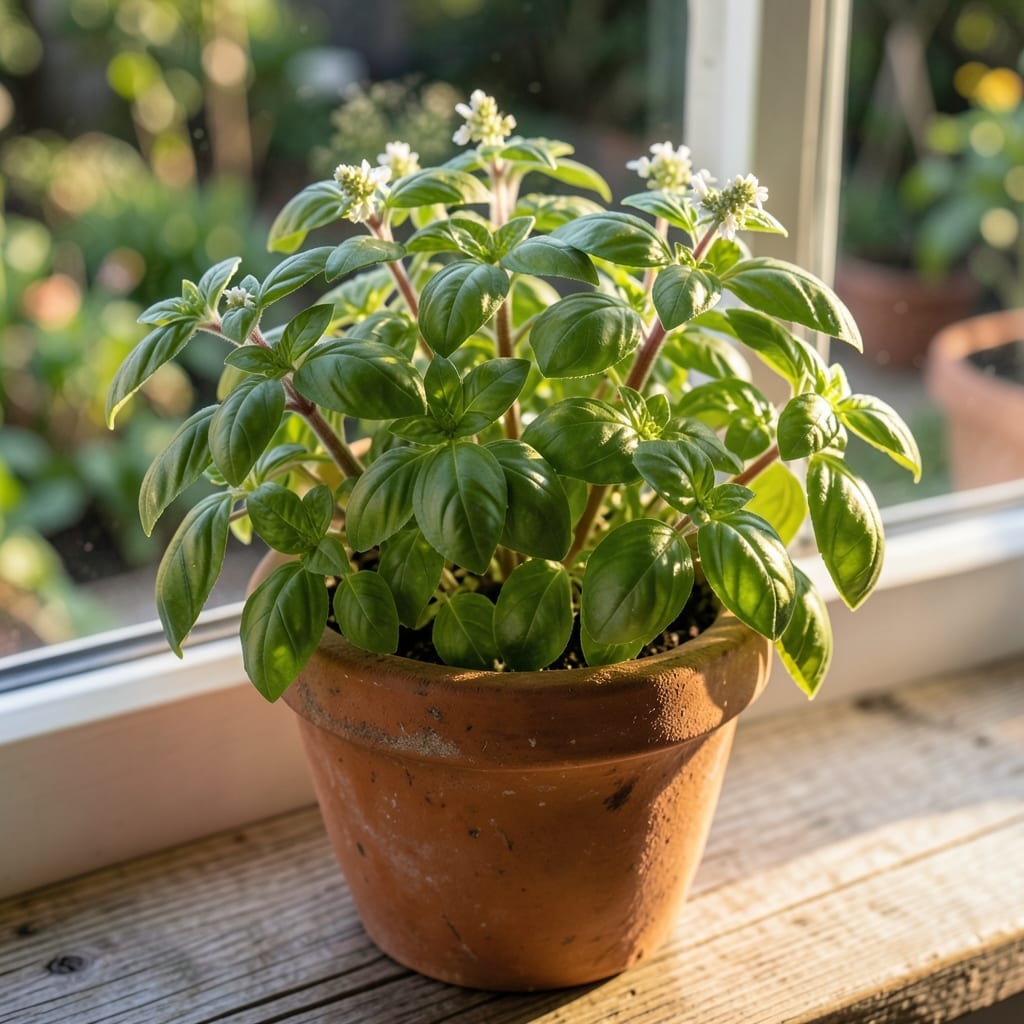
Basil has minimal frost tolerance and will typically die at temperatures below 32°F. Even light frost can damage leaves, so protection or indoor relocation is essential before cold snaps.
I’ve learned through experience that basil’s tropical origins make it highly sensitive to cold. The plant’s cells can rupture when ice crystals form, which is why even a brief exposure to freezing temperatures can be fatal. To keep my basil thriving, I start monitoring weather forecasts in early fall and move potted plants indoors at the first sign of a cold front. 🌟
For garden beds, row covers or thick mulch can provide temporary protection during unexpected frosts.
💡 In This Article
Basil’s tropical origins mean it evolved in consistently warm environments. The plant’s cells contain high water content, which freezes and expands into sharp ice crystals when temperatures drop to 32°F. These crystals puncture cell walls, causing irreversible damage and wilted, blackened leaves. 🔥
This species thrives in temperatures between 70-90°F during the day. Anything below 50°F slows growth significantly, while frost triggers immediate cellular collapse. Basil’s lack of natural antifreeze proteins, which some cold-hardy plants produce, makes it especially vulnerable to freezing conditions. ⚡
The damage starts at the cellular level but becomes visibly apparent within hours. Leaves turn mushy and dark as internal structures break down. Even if the plant appears to recover during warmer daytime temperatures, the damage is often fatal, with new growth failing to emerge from frozen stems. ✨
This sensitivity explains why basil is classified as an annual in most climates. While some herbs like rosemary or thyme can survive light frosts, basil’s tropical genetics provide no protection. The plant’s energy goes toward producing aromatic oils rather than cold-resistant compounds. 💫
Gardeners in cooler zones often treat basil like a seasonal crop, planting after the last frost date and harvesting before the first cold snap. This approach aligns with the plant’s natural lifecycle, which in its native habitat would continue growing year-round in frost-free conditions.
Bring basil indoors when nighttime temperatures drop to 45°F or below. This prevents cold stress before frost arrives. Even 50°F can slow growth significantly.
Avoid plastic as it traps moisture and can cause more damage. Use breathable frost cloth or old blankets supported by frames instead. This prevents direct contact with leaves.
Look for wilted, blackened, or mushy leaves within 24 hours of exposure. These are signs of cellular damage from freezing. Recovery is unlikely once this occurs.
Unfortunately, no. Even light frost causes irreversible cell damage in basil. The plant may appear fine during the day but won’t survive the damage.
Gradually increase indoor time over 7-10 days. Start with a few hours daily, then extend. This prevents shock from sudden light and temperature changes.