
Beautiful Plants For Your Interior
Beautiful Plants For Your Interior
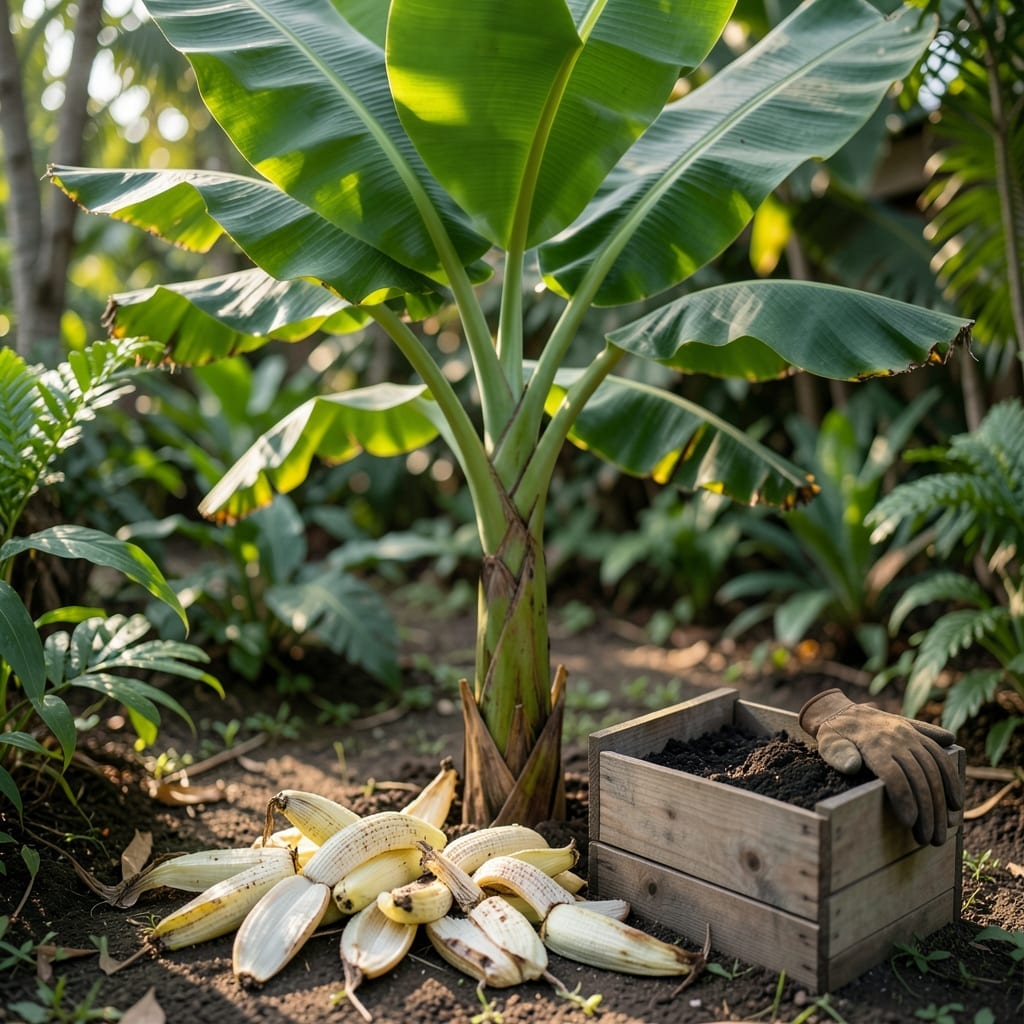
Banana peels decompose quickly, releasing potassium, phosphorus, and calcium to nourish plants. Chop or dry them first for faster nutrient absorption and better soil integration.
I’ve seen remarkable results using this method in my own garden, particularly with flowering plants that thrive on potassium. 🔥 The decomposition process not only feeds the soil but also improves its structure over time, creating a more welcoming environment for roots.
What’s especially useful is how versatile this approach is—you can bury fresh peels, compost them, or even make a nutrient-rich liquid feed with just water and 1-2 days of steeping. ✨
💡 In This Article
Banana peels pack a serious nutritional punch for plants. They contain 42% potassium by dry weight, which is crucial for flower development and fruit production. This element strengthens plant immunity and improves water retention in cells. 🔥
Phosphorus makes up about 3% of the peel’s composition, directly supporting root growth and energy transfer within plants. The 12% calcium content helps build strong cell walls, preventing disorders like blossom end rot in tomatoes. These nutrients become available as microbes break down the organic matter through enzymatic action.
Decomposition happens rapidly because of the peel’s high nitrogen-to-carbon ratio. Microorganisms can process banana peels in as little as 2-4 weeks under ideal conditions. This quick breakdown means plants can access nutrients faster than with slower-decomposing materials like wood chips. ✨
Interestingly, banana peels have a slightly acidic pH of about 5.5-6.5, which can help neutralize alkaline soils. This makes them particularly beneficial for acid-loving plants like blueberries and azaleas. The peels also contain small amounts of magnesium and sulfur, which contribute to overall plant health.
As the peels decompose, they release organic compounds that improve soil structure. These compounds create pore spaces that enhance aeration and water infiltration. The resulting humus acts like a sponge, holding moisture and nutrients that plants can access as needed. 💫
Fresh banana peels typically break down in 2-4 weeks under ideal conditions. Chopping them into small pieces speeds up the process. Microbes work faster in warm, moist soil with good aeration.
Potassium-loving plants like tomatoes, peppers, and roses thrive with banana peel fertilizer. Acid-loving plants such as blueberries and azaleas also respond well to the slightly acidic pH of 5.5-6.5.
Yes! Bury fresh peels 2-3 inches deep near plant roots for quick nutrient release. Cover completely with soil to prevent pests. For liquid feed, steep 3-4 peels in 1 gallon of water for 2-3 days.
Fresh peels may attract pests if left on the surface. Always bury them 2-3 inches deep or dry them first at 200°F for 1-2 hours. Properly covered peels decompose without issues.