
Beautiful Plants For Your Interior
Beautiful Plants For Your Interior
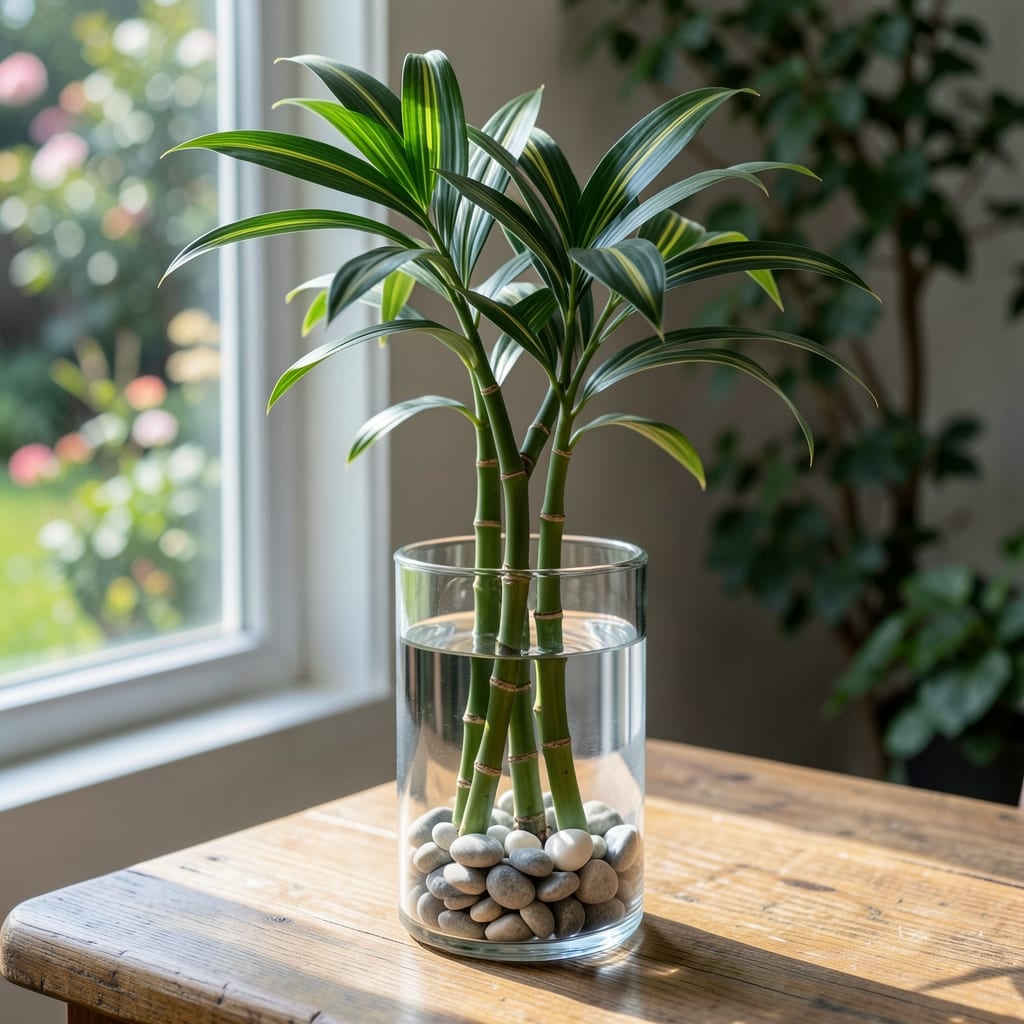
Yellow Groove Bamboo transforms any garden with its golden-striped canes and lush foliage. I first planted mine along a fence line, and within a season, it created a living privacy screen that sways beautifully in the breeze.
This variety thrives in partial to full sun with well-draining soil. It’s surprisingly low-maintenance once established, needing only occasional watering and minimal pruning to keep its elegant shape.
📚 In This Guide
This running bamboo thrives with the right site preparation and consistent care through its first season.
Choose a site with full sun to partial shade—at least 6 hours of direct sunlight daily brings out the brightest golden striped foliage. Yellow Groove bamboo tolerates a range of soil types but performs best in well-draining, slightly acidic to neutral soil with a pH between 6.0 and 7.0.
Avoid low-lying areas where water pools after rain. Standing water suffocates the rhizomes and leads to root rot. I always test drainage by digging a 12-inch deep hole, filling it with water, and ensuring it drains completely within 4 hours.
This species spreads aggressively via running rhizomes. Install a 30-inch deep root barrier around the planting area or use large containers to control its expansion. Without containment, it can overtake adjacent planting beds within 2-3 growing seasons.
Loosen the soil to a depth of 18-24 inches and twice as wide as the root ball. Yellow Groove bamboo establishes faster in enriched soil, so I work in a 2-3 inch layer of compost or well-rotted manure into the native soil.
Dig the planting hole slightly shallower than the container depth. The crown should sit 1-2 inches above the surrounding soil level to prevent water from pooling at the base. This encourages proper drainage and prevents stem rot.
If planting multiple culms, space them 3-5 feet apart to allow for mature spread. The canes will fill in quickly, creating a dense screen within 2-3 years under optimal conditions.
Gently remove the bamboo from its container and loosen any circling roots. Place it in the hole, ensuring it sits at the correct height. Backfill with the amended soil, pressing lightly to eliminate air pockets as you go.
Create a 3-4 inch high soil berm around the planting area to help direct water to the roots. Water immediately after planting with 5-10 gallons to settle the soil and hydrate the root system. The soil should feel moist to a depth of 6-8 inches.
Maintain consistent moisture during the first growing season. Water when the top 1-2 inches of soil feels dry. New plantings need 1-1.5 inches of water weekly, either from rainfall or supplemental irrigation, for the first 8-12 weeks.
Apply a 2-3 inch layer of organic mulch around the base to conserve moisture and suppress weeds. Keep mulch 6 inches away from the canes to prevent rot. Shredded bark or wood chips work well and break down slowly to feed the soil.
Fertilize in early spring with a balanced 10-10-10 or 20-20-20 formula, applying 1 pound per 100 square feet. Yellow Groove responds well to regular feeding—repeat every 6-8 weeks throughout the growing season for optimal growth.
Monitor for running rhizomes escaping containment. Trim any that breach the barrier with clean pruners. This variety grows 1-2 feet per year in height and spreads rapidly under ideal conditions, so regular maintenance keeps it in bounds.
These practical insights will help you cultivate healthy, well-contained bamboo with minimal hassle.
Site Selection Wisdom: For Step 1, remember that the 30-inch deep rhizome barriers are non-negotiable for this running variety. I learned the hard way that shallow barriers simply won’t contain the aggressive spread. Also, that pH of 6.0-7.0 sweet spot is crucial—test your soil before planting if you’re unsure.
Planting Depth Secret: In Step 2, the 1-2 inches above soil level planting height is your insurance against crown rot. I’ve seen too many bamboo plants suffer from being planted too deep. And don’t skimp on the 3-5 feet spacing—crowded plants compete for resources and look messy as they mature.
Watering Discipline: The 2-3 times per week deep watering in Step 3 is what establishes those strong root systems. Shallow watering creates weak, surface-level roots that can’t support the plant’s eventual 10-15 feet height. Morning watering is key to prevent fungal issues with the foliage.
Container Consideration: If going the container route as mentioned in Step 5, that 24-inch diameter minimum isn’t just a suggestion. Smaller pots restrict growth and lead to root binding. And remember to repot every 2-3 years—this refreshes the soil and prevents the plant from becoming pot-bound.
Yellow grooves in bamboo often result from fungal infections, nutrient deficiencies (like nitrogen or iron), or environmental stress such as overwatering or poor drainage.
Remove infected leaves, improve air circulation, and apply a fungicide. Ensure proper watering and fertilize with a balanced formula to restore health.
Yes, fungal spores can spread to nearby plants. Isolate affected bamboo and disinfect tools to prevent contamination.
Yes! Maintain good hygiene, avoid overhead watering, and use well-draining soil. Regularly inspect plants for early signs of disease.
If the infection is severe, remove and replace the bamboo. Consider disease-resistant varieties like Golden Goddess or Graceful bamboo for future planting.