
Beautiful Plants For Your Interior
Beautiful Plants For Your Interior
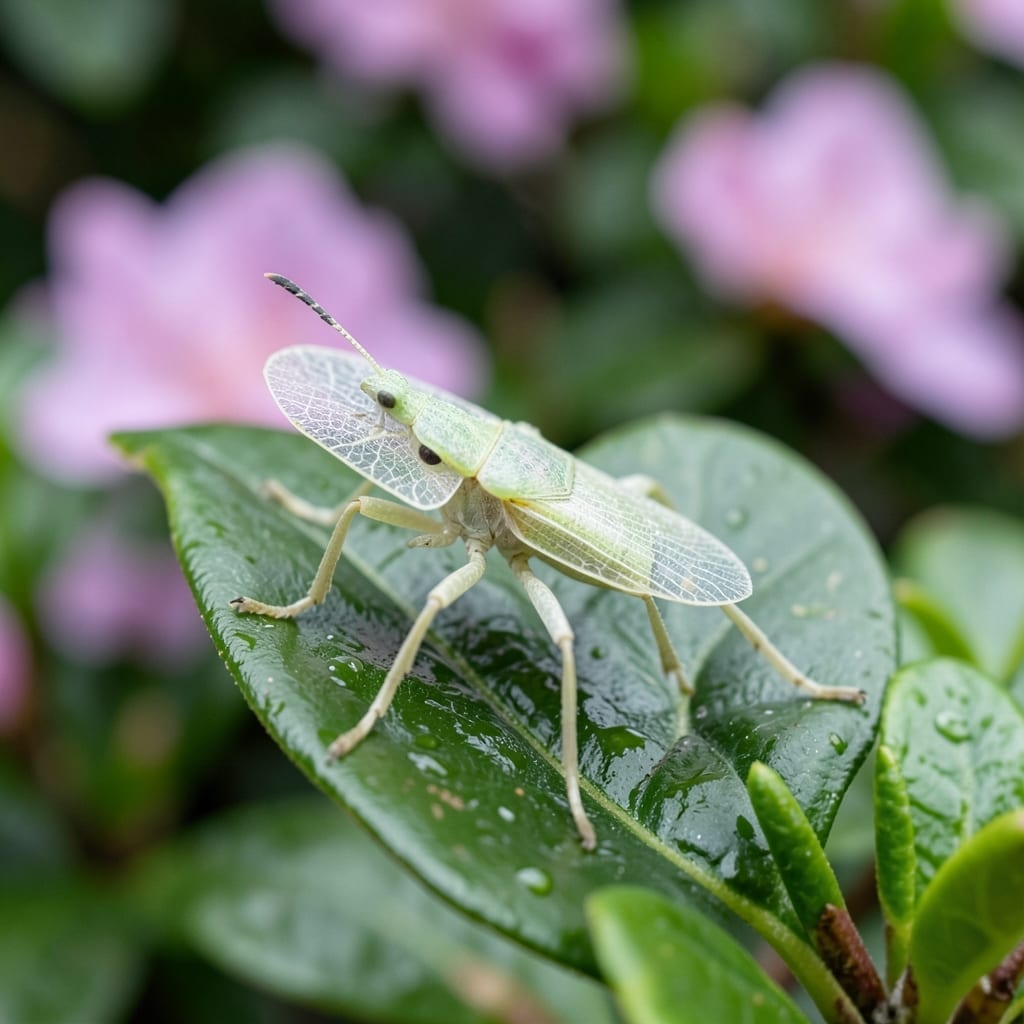
Those tiny white speckles on your azalea leaves aren’t just unsightly—they’re a warning sign. 🌿 I spotted them on my prize shrub last spring and ignored them until the damage spread to every branch.
Lace bugs suck the life out of leaves, leaving them stippled and weak. The good news? You can fight back with targeted sprays that protect your plants without harming the rest of your garden.
Within 2-3 weeks of treatment, you’ll see new growth returning to that vibrant green you love. The blooms come back stronger, and your azaleas look healthier than ever.
Works for established plants and new additions alike. Here’s how to stop the damage in its tracks.
Understanding why azalea lace bugs infest your plants is the first step toward effective control. These pests thrive under specific conditions, often exploiting vulnerabilities in plant health and environment. Below are the primary causes behind their presence.
Azalea lace bugs target weakened plants first. Stressors like drought, poor soil quality, or improper pruning reduce a plant’s natural defenses, making it an easy host. Lace bugs pierce leaf cells to feed on sap, and stressed plants offer less resistance, accelerating infestation.
These pests flourish in warm, arid climates. Azaleas in full sun or drought-prone areas are especially susceptible. High temperatures and low humidity create ideal breeding conditions, allowing lace bug populations to multiply rapidly. Shade and consistent moisture can deter them.
Poor air circulation from dense plantings traps heat and humidity, fostering lace bug activity. Azaleas planted too closely together or near other lace bug attractants (like rhododendrons) provide shelter and food for these pests. Proper spacing improves airflow and reduces risk.
By addressing these root causes, you can prevent infestations before they start.
Tackling azalea lace bugs starts with identifying the issue and applying the right fixes. Here’s how to address the most common causes and keep your azaleas thriving.
If you spot a few lace bugs or their nymphs on the undersides of leaves, act fast. Use a strong blast of water from a garden hose to dislodge them. For stubborn pests, handpick them off and drop them into a bucket of soapy water. This works best for small infestations before they spread.
For larger outbreaks, insecticidal soap or horticultural oil are your go-to solutions. Spray thoroughly on both sides of the leaves, focusing on the undersides where lace bugs hide. Apply in the early morning or late evening to avoid harming beneficial insects like bees. Repeat every 7–10 days until the pests are gone.
If lace bugs have caused extensive damage and other methods fail, use a systemic insecticide containing imidacloprid. These are absorbed by the plant, providing long-lasting protection. Follow the label instructions carefully, and avoid using during blooming periods to protect pollinators.
Apply every 7–10 days until the infestation clears. Consistency is key, as lace bugs can reproduce quickly. Always spray in the early morning or evening to protect pollinators.
Yes, neem oil is effective and natural. Mix with water and a drop of dish soap, then spray thoroughly on leaf undersides. Reapply after rain or every 2 weeks for prevention.
They thrive in hot, dry conditions and on stressed plants. Improve airflow, water consistently, and remove fallen debris. Healthy plants resist reinfestation better.
No, avoid systemic treatments during bloom to protect bees. Wait until after flowering, or use targeted sprays like horticultural oil instead.