
Beautiful Plants For Your Interior
Beautiful Plants For Your Interior
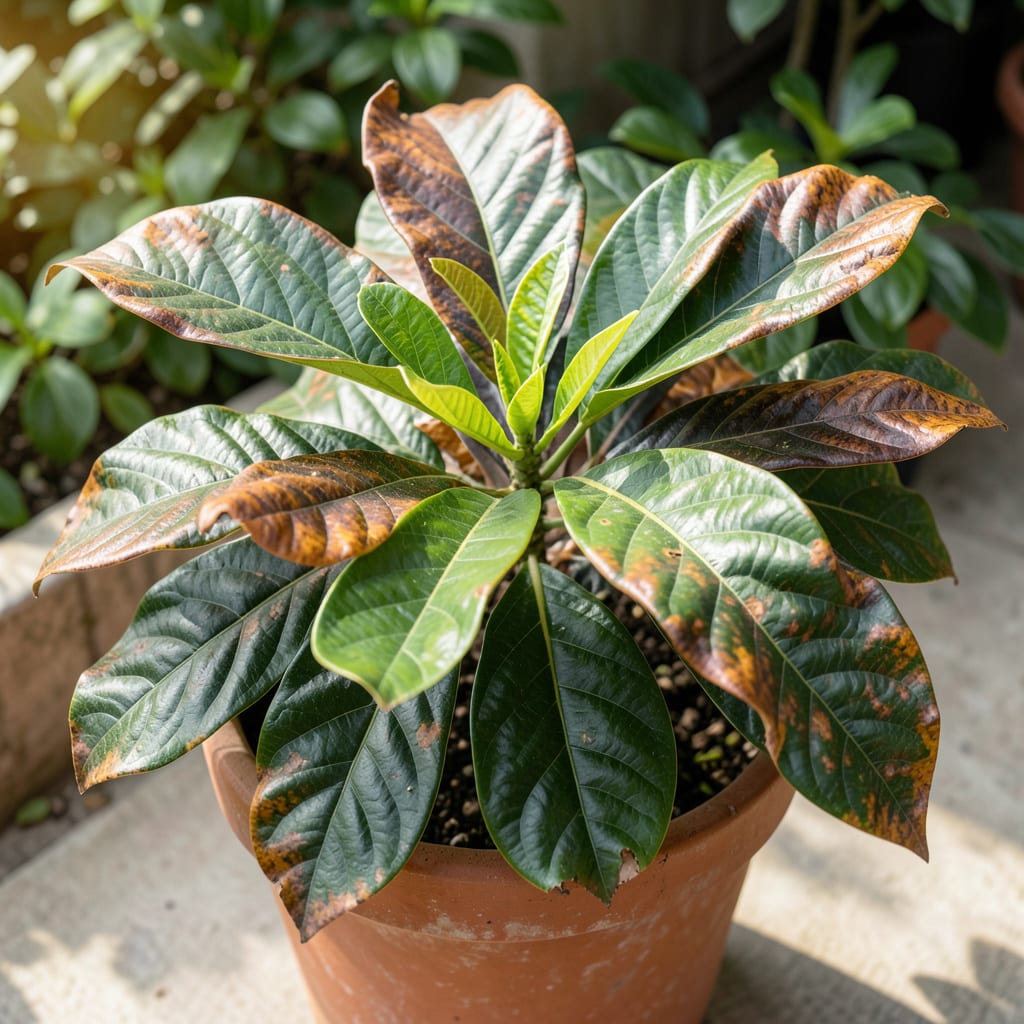
Those brown edges on your avocado leaves aren’t just unsightly—they’re a cry for help. I’ve rescued more wilting avocado plants than I can count by catching the warning signs early.
Often, it’s not disease but simple environmental stress: too much water, too little light, or a nutrient imbalance. The good news? Most issues fix with small adjustments to your care routine, not expensive treatments.
You’ll see crisp, vibrant green leaves return within 2-3 weeks once conditions improve. The key is diagnosing the exact cause before it spreads.
Works for indoor potted plants and backyard trees alike. Here’s how to play plant detective.
Avocado plant leaves turning brown often signal underlying stress or environmental imbalances. Below are the most common causes, explained with actionable insights to help you diagnose and address the issue.
Improper watering disrupts the plant’s ability to absorb nutrients. Underwatering causes leaves to dry out, turn crispy, and brown at the edges due to a lack of moisture. Conversely, overwatering suffocates the roots, leading to root rot and a failure to deliver water and nutrients to the leaves. Avocados prefer consistently moist but well-drained soil—check the top inch of soil before watering.
Avocado plants thrive in bright, indirect light. Direct, intense sunlight (especially in hot climates) can scorch leaves, causing brown patches or margins. Similarly, heat stress from high temperatures accelerates water loss, leading to dehydration and browning. If your plant is near a south-facing window or outdoors in full sun, provide shade or move it to a cooler spot.
Native to tropical regions, avocados require humidity levels of 40-60%. Dry indoor air (common in winter or air-conditioned spaces) draws moisture from the leaves, resulting in brown, crispy tips. Grouping plants, using a humidifier, or misting the leaves can help restore balance.
Brown leaves may indicate a lack of essential nutrients. Potassium deficiency often causes leaf margins to turn brown and curl, while nitrogen deficiency leads to uniform yellowing followed by browning. Use a balanced, citrus-specific fertilizer and ensure the soil pH (6.0-6.5) supports nutrient uptake.
Sap-sucking pests like spider mites, aphids, or scale damage leaf tissues, causing discoloration and browning. Inspect the undersides of leaves for webbing, sticky residue, or tiny insects. Treat with neem oil or insecticidal soap to eliminate pests and prevent further stress.
Here’s how to tackle the most common causes of brown avocado leaves, with actionable fixes and prevention tips to keep your plant thriving.
Fix: Check the soil moisture by sticking your finger 1-2 inches deep. If it’s bone-dry, water deeply until it drains from the bottom. If it’s soggy, stop watering and let the top 2-3 inches dry out. For severe overwatering, repot in fresh, well-draining soil.
Prevention: Use a pot with drainage holes and a moisture meter to avoid guesswork. Water only when the topsoil feels dry. 💡
Fix: Move your plant to a spot with bright, indirect light. If leaves are scorched from direct sun, trim the damaged ones and gradually reintroduce sunlight. For low-light issues, supplement with a grow light.
Prevention: Rotate the plant weekly for even exposure and avoid south-facing windows without sheer curtains. ✨
Fix: Keep your avocado plant in a stable environment (65–85°F). Move it away from AC vents, heaters, or drafty windows. If exposed to cold, cover it with a cloth overnight to retain warmth.
Prevention: Avoid sudden temperature changes. Use a small fan on low for gentle airflow in stuffy rooms. 🌡️
Fix: Flush the soil with water to remove excess salts from fertilizers. Repot if the soil is depleted, using a balanced, avocado-specific fertilizer (follow package instructions). Yellowing leaves may indicate nitrogen deficiency—add compost or a slow-release fertilizer.
Prevention: Fertilize lightly every 2–3 months during growing season and always dilute liquid fertilizers to half-strength. 🎯
Fix: Wipe leaves with a damp cloth to remove pests like spider mites. For fungal issues (e.g., root rot), trim affected roots and repot in fresh soil. Use neem oil or insecticidal soap for persistent infestations.
Prevention: Inspect leaves regularly and isolate new plants for 2–3 weeks before introducing them to others. ✨
Water when the top 1-2 inches of soil feel dry. Typically, this means every 7-10 days in warm weather, less in cooler months. Always check soil moisture first to avoid overwatering.
No, once leaves turn brown, they won’t recover. However, new healthy growth will emerge if you fix the underlying issue. Remove damaged leaves to redirect energy to new foliage.
Place near a window with bright, indirect light. South or west-facing windows work well, but use sheer curtains to prevent scorching. Rotate weekly for even growth.
Brown tips often signal low humidity or fluoride toxicity from tap water. Try misting leaves or using filtered/distilled water to see improvement in 2-3 weeks.
