
Beautiful Plants For Your Interior
Beautiful Plants For Your Interior
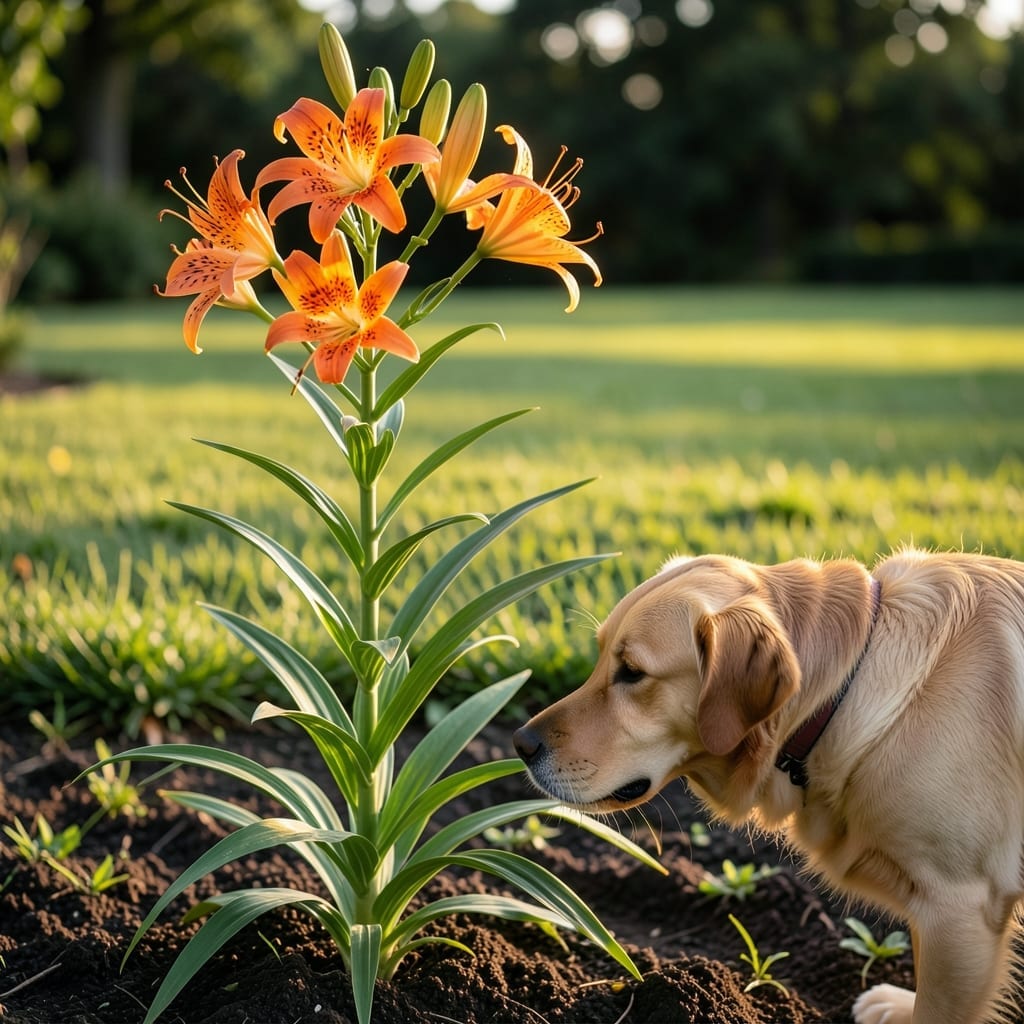
Asiatic lilies are highly toxic to dogs, causing kidney failure if ingested. Even small amounts of leaves, petals, or pollen can be deadly. Immediate veterinary care is critical if exposure occurs.
I’ve seen firsthand how these plants contain dangerous compounds that attack a dog’s kidneys within hours. 🔥 Even brushing against the pollen and then licking their paws can trigger severe reactions. As a pet owner, I always recommend removing these from yards entirely or placing them in tall, inaccessible planters to prevent accidental exposure.
💡 In This Article
The toxic compounds in these plants are alkaloids and cardiac glycosides, which disrupt cellular function in a dog’s kidneys. These molecules interfere with the organ’s ability to filter waste, leading to rapid accumulation of toxins in the bloodstream. The damage begins within 6-12 hours of ingestion, making time a critical factor. 🔥
Even minimal exposure—like chewing a single leaf or licking pollen off their fur—can trigger symptoms. A dog weighing 20 lbs might show signs after consuming just 0.1 oz of plant material. The kidneys, overwhelmed by these compounds, start shutting down as tubular cells die off. This process is often irreversible without immediate intervention.
Early symptoms include vomiting, lethargy, and loss of appetite, but these can quickly escalate to seizures or coma. What makes it especially dangerous is that dogs don’t instinctively avoid these plants—they’re often drawn to the texture and scent.
Unlike cats, which may be more cautious, dogs will investigate and potentially ingest any part of the lily. ✨
The toxicity isn’t limited to the flowers. All parts of the plant, including stems, leaves, and even the water in a vase holding cut lilies, contain these harmful compounds. This means even indirect exposure, like drinking from a contaminated water source, can be life-threatening.
The rapid absorption rate means symptoms can appear before you even realize your dog has been exposed.
Veterinary treatment typically involves inducing vomiting, administering activated charcoal to absorb remaining toxins, and providing IV fluids to support kidney function. The prognosis depends on how quickly treatment begins—dogs treated within 18 hours have a much higher survival rate. This underscores why prevention and immediate action are so vital. 💫
Symptoms typically develop within 6-12 hours of ingestion. Early signs include vomiting, drooling, and loss of appetite. Without prompt treatment, kidney failure can follow within 24-72 hours.
No, but Asiatic lilies are among the most toxic. Daylilies are also highly dangerous, while some like Calla lilies cause milder irritation. Always assume any lily is unsafe until confirmed otherwise.
Rinse their mouth with water, then call your vet or a pet poison hotline immediately. Do not wait for symptoms to appear. Bring a sample of the plant to help with identification.
Yes, even small amounts of pollen can be toxic if ingested. Dogs can get pollen on their paws or fur and then lick it off. Keep them away from areas where lilies are blooming.