
Beautiful Plants For Your Interior
Beautiful Plants For Your Interior
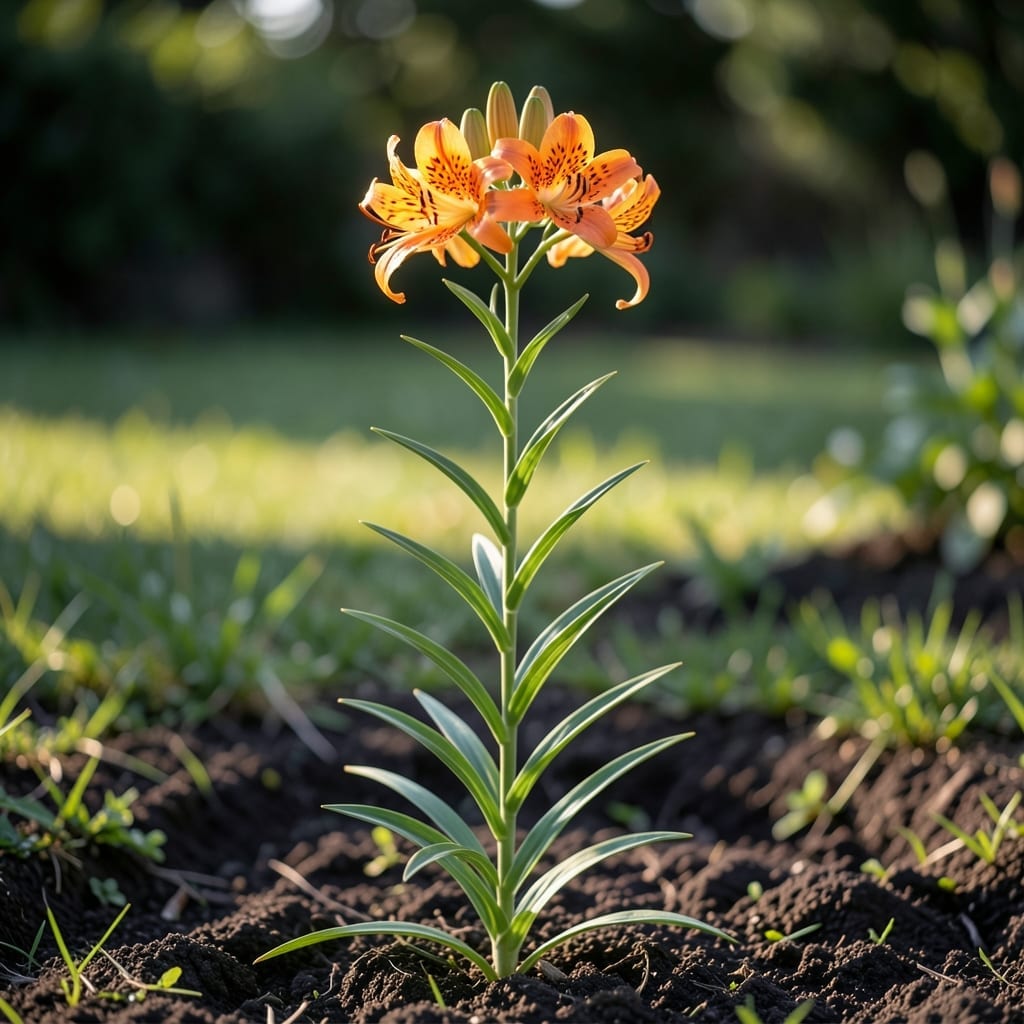
There’s something magical about watching Asiatic Lily 🌸 transform a garden with their bold, vibrant colors. But here’s what many gardeners overlook: timing is everything with these stunners.
Unlike some flowers that bloom sporadically, this beauty has a distinct flowering window that demands your attention. Knowing this schedule can mean the difference between a lackluster display and a show-stopping summer garden.
Whether you’re in zone 4-9 or just starting your gardening journey, understanding the bloom season helps you plan like a pro. I’ll show you exactly when to expect those gorgeous flowers and how to make them last longer.
Discover the simple secrets to maximizing your Asiatic Lily’s impact this year. Your garden will thank you.
As a gardener, I’ve found that Asiatic lilies typically bloom in late spring to early summer, with their peak flowering window spanning June through July. This timing can shift slightly based on your climate and when you planted the bulbs.
The exact start of the Asiatic lily bloom season depends on factors like USDA zone and bulb maturity. In warmer zones like 7-9, you might see blooms as early as May, while cooler zones like 4-6 often peak in July.☀️
| Bloom Stage | Timeline | Notes |
|---|---|---|
| Early Bloomers | Late May – Early June | Early cultivars in warm zones |
| Peak Bloom | June – July | Most varieties in full flower |
| Late Bloomers | July – Early August | Cooler climates or late varieties |
| Dormancy | August Onward | Foliage dies back after blooming |
I’ve noticed that early-blooming cultivars like ‘Enchantment’ or ‘Orange Pixie’ can start flowering in late May if planted in well-draining soil with full sun. These are perfect for gardeners eager to see color early in the season.
For most gardeners, the main bloom period for Asiatic lilies falls in June and July. This is when you’ll see the majority of varieties, such as ‘Stargazer’ or ‘Black Out’, putting on their stunning display of vibrant, upward-facing flowers.
In cooler climates or for late-planted bulbs, the bloom season might shift to July or even early August. I always remind fellow gardeners that patience is key—these lilies will reward you with their beauty when the time is right.
If you’re in USDA zones 4-6, expect your Asiatic lilies to bloom a bit later, often peaking in mid to late July. The cooler temperatures slow down bulb development, but the wait is worth it for those spectacular summer blooms.
I’ve also learned that bulb planting time affects the bloom season. Fall-planted bulbs tend to establish better and may bloom slightly earlier than those planted in spring. Either way, they’ll still follow the general late spring to early summer window.🌱
To maximize your Asiatic lily bloom season, consider planting a mix of early, mid, and late-season varieties. This staggered approach can extend your enjoyment of these flowers from late May through August. It’s a simple trick I use to keep my garden vibrant longer.
Remember, proper care like consistent watering and balanced fertilization in early spring can encourage stronger stems and more abundant blooms during the peak season.🌿
I love watching my Asiatic lilies burst into color each year, but their natural bloom period can feel too short. With a few smart strategies, you can stretch their flowering season and enjoy those vibrant blooms even longer.
One of my favorite tricks is staggered planting. By planting bulbs in early spring and late fall, I create overlapping bloom cycles that keep my garden colorful for weeks rather than days.
I’ve found that deadheading makes a huge difference. Removing faded flowers prevents seed formation, redirecting the plant’s energy into producing more new blooms instead.
Fertilizing properly is another key. I use a 5-10-10 fertilizer every 4-6 weeks during the growing season to give my lilies the nutrients they need for extended flowering.
Don’t forget about watering consistency. Asiatic lilies prefer moist but well-drained soil. I water deeply once a week, more often during hot spells, to keep them happy.
Finally, consider microclimates in your garden. Planting some bulbs in slightly shadier spots can delay their bloom time, while those in full sun will flower earlier, extending your overall display. ☀️